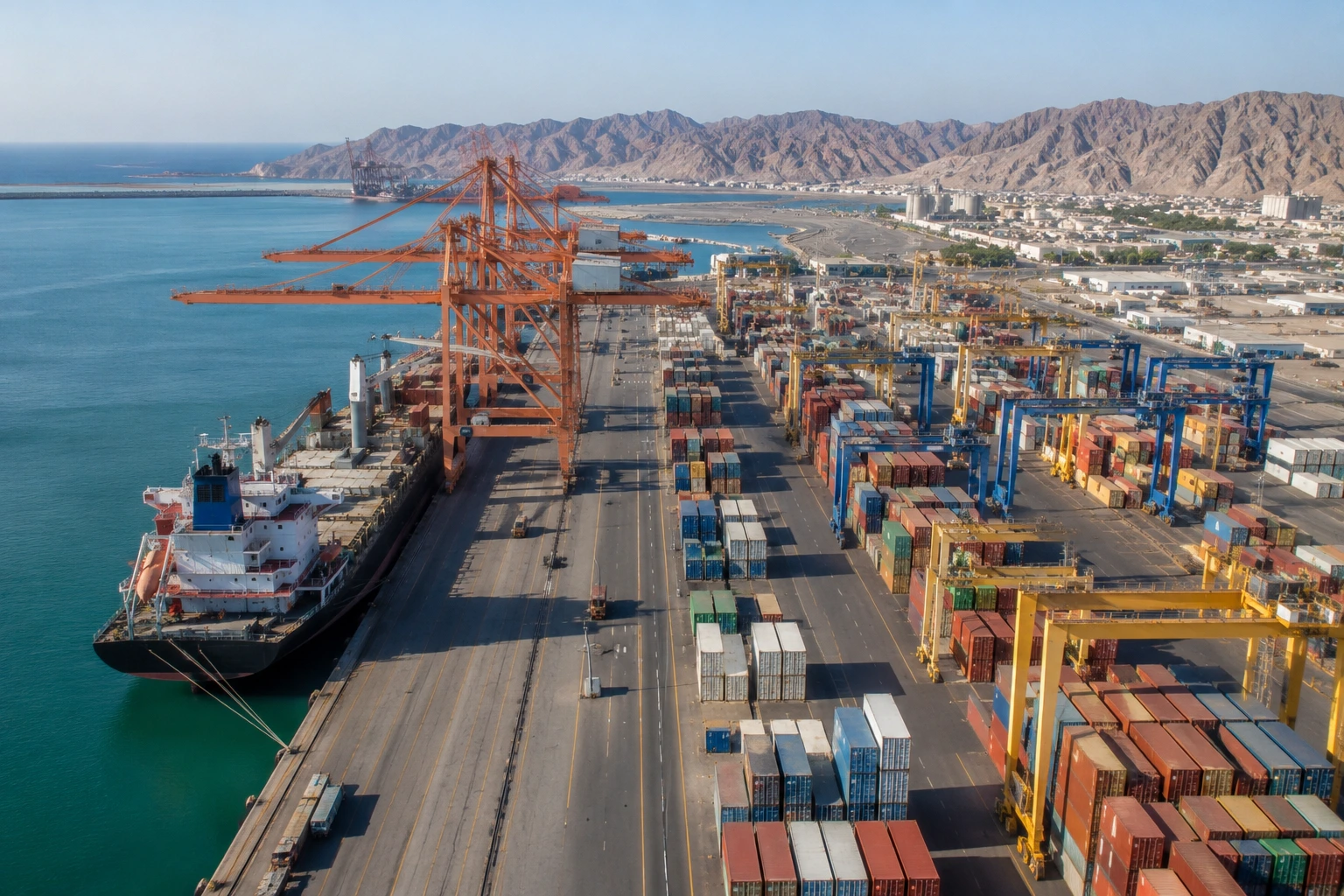
UNITED ARAB EMIRATES —Abu Dhabi Developmental Holding Company (ADQ) is set to finalize its consolidation of Abu Dhabi Ports Company following a voluntary cash tender offer. Regulatory disclosures indicate that acceptances surpassed 23 percent of the issued share capital by the mid-September deadline. Combined with its existing 75 percent majority stake, the parent entity will command a total equity ownership exceeding 98 percent upon full settlement. All fundamental regulatory conditions have been satisfied, clearing the path for the transaction to conclude by early October.
This near-total consolidation represents a pivotal structural shift for the region's maritime, shipping, and industrial zone infrastructure. By bringing the enterprise effectively under complete centralized control, the parent organization can streamline decision-making, optimize capital deployment, and integrate port assets more tightly with broader economic diversification strategies. The transaction underscores a broader regional trend favoring state-led consolidation of critical economic infrastructure to enhance global competitiveness.
The transaction heavily impacts the regional logistics, maritime transport, and trade sectors across the United Arab Emirates. Market participants, institutional investors, and global shipping partners must navigate a heavily consolidated operational landscape where key maritime hubs and industrial zones align directly with national strategic priorities. Regulatory bodies and market operators will oversee the final settlement phase, ensuring compliance with standard equity transfer protocols before the formal integration concludes.
For financial markets and corporate investors, the near-complete buyout signals a definitive shift in minority shareholder participation and equity float within the local stock exchange. With public float dropping below two percent post-settlement, trading dynamics for the equity will experience profound changes. Investors and advisory firms are monitoring the transaction timeline to reallocate capital portfolios in response to shifting ownership structures across prominent regional conglomerates.