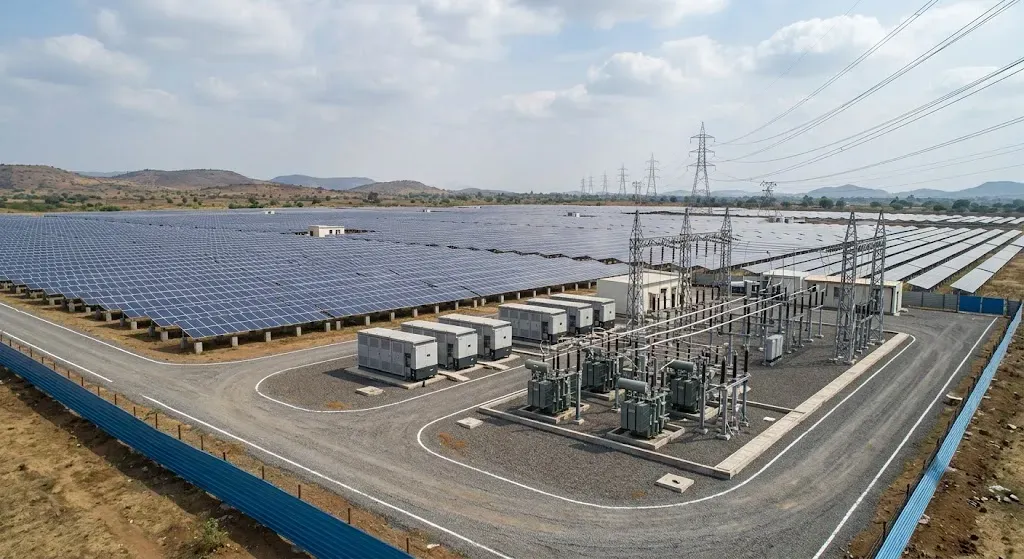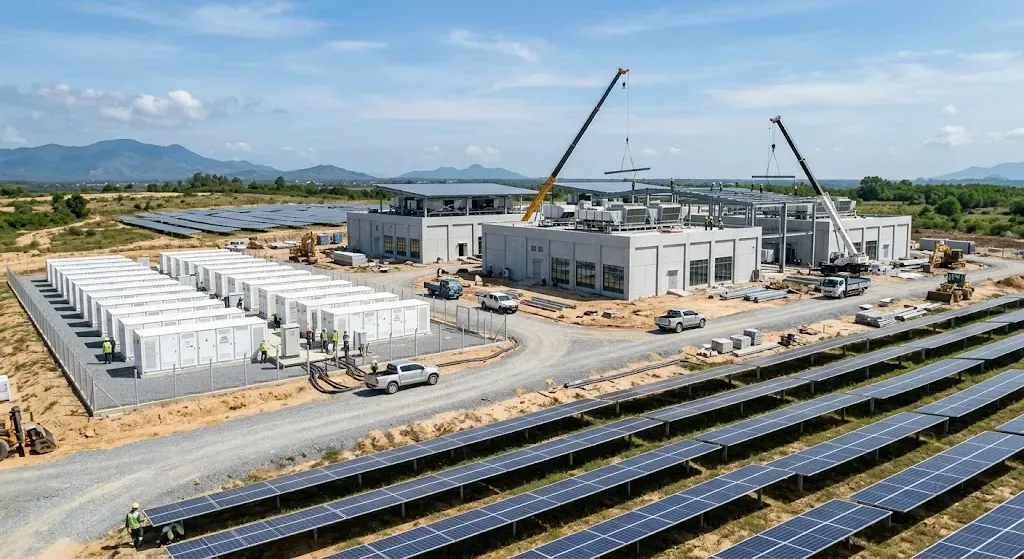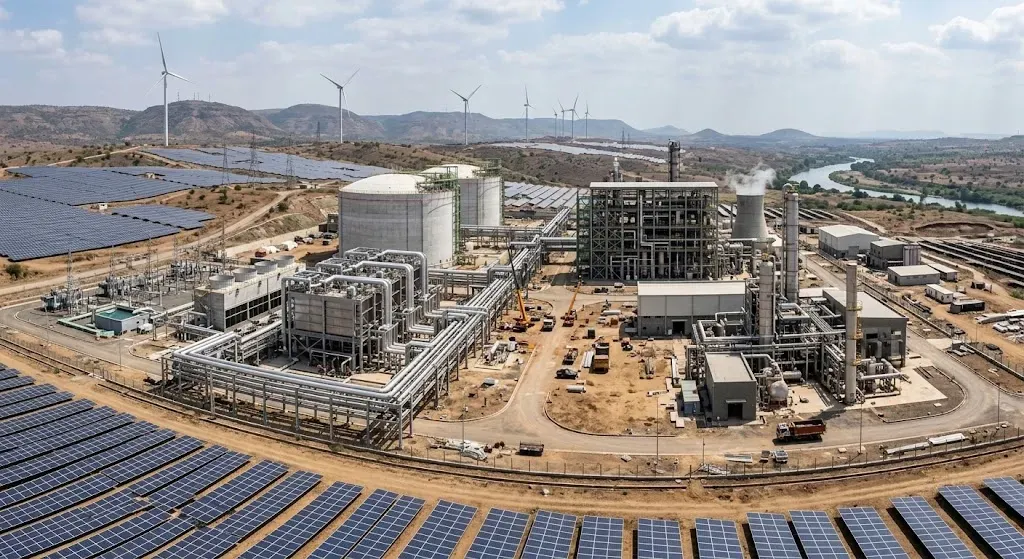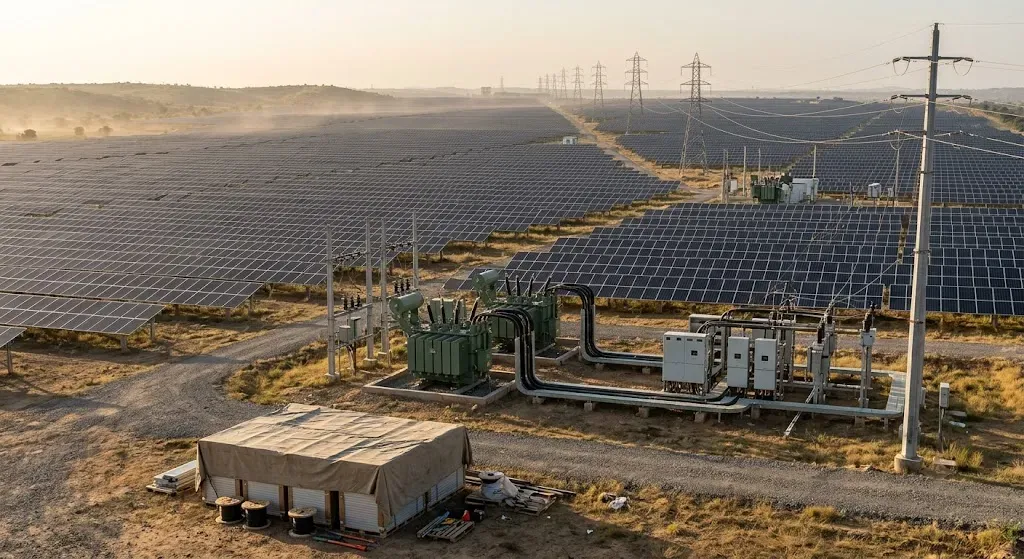
INDIA —ACME Marigold Urja Private Limited has formalized an agreement with NTPC Limited to supply power from a 400 megawatt firm and dispatchable renewable energy project. The arrangement, established under the first tranche of the state-run utility's initiative, involves a scheduled supply commencement date of June 30, 2028, backed by a 25-year operational tenure. The contracted capacity is priced at 4.37 rupees per unit. ACME Solar Holdings Limited is an Indian renewable energy company focused on developing, owning, and operating utility-scale solar and hybrid power projects. NTPC Limited is a major Indian central public sector undertaking under the Ministry of Power, engaged in the generation of electricity and power distribution.
This development carries significant weight for the power sector as it addresses the intermittency challenges traditionally associated with green energy by incorporating firm and dispatchable renewable characteristics. By securing long-term supply visibility at a fixed tariff, the initiative supports grid stability and assists utilities in meeting stringent renewable purchase obligations. The multi-decade duration provides revenue predictability for developers while ensuring that large public distribution entities can reliably manage peak load demands without relying entirely on conventional fossil fuel sources.
The agreement directly impacts the renewable energy manufacturing, equipment supply chain, and engineering sectors in India. Infrastructure developers, solar module manufacturers, and grid transmission providers will experience increased demand for advanced storage and hybrid generation technologies necessary to deliver dispatchable power. Furthermore, regulatory bodies and policy planners observe such large-scale utility contracts as benchmarks for pricing and grid integration standards in the broader energy market transformation.
For investors and corporate stakeholders, long-term power purchase agreements offer insulated cash flows shielded from short-term fuel price volatility. Market participants must evaluate capital expenditure requirements for multi-gigawatt pipeline execution, particularly regarding execution timelines leading up to the 2028 operational deadline. Financing strategies will increasingly hinge on the creditworthiness of public sector counterparties and the risk-mitigation structures embedded within long-term utility contracts.