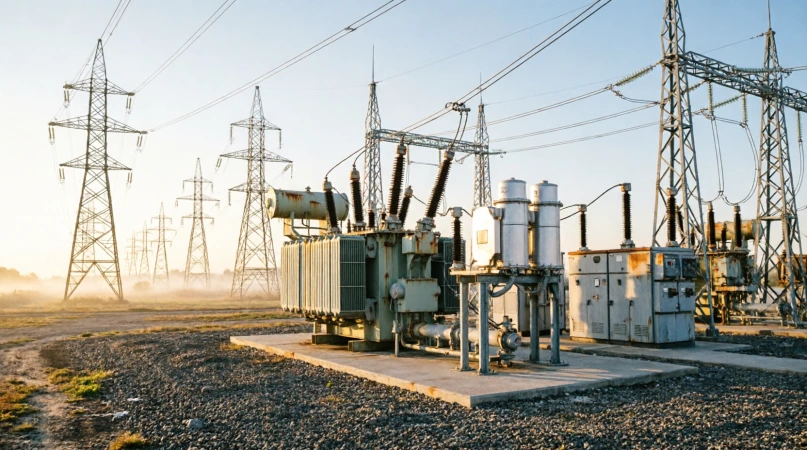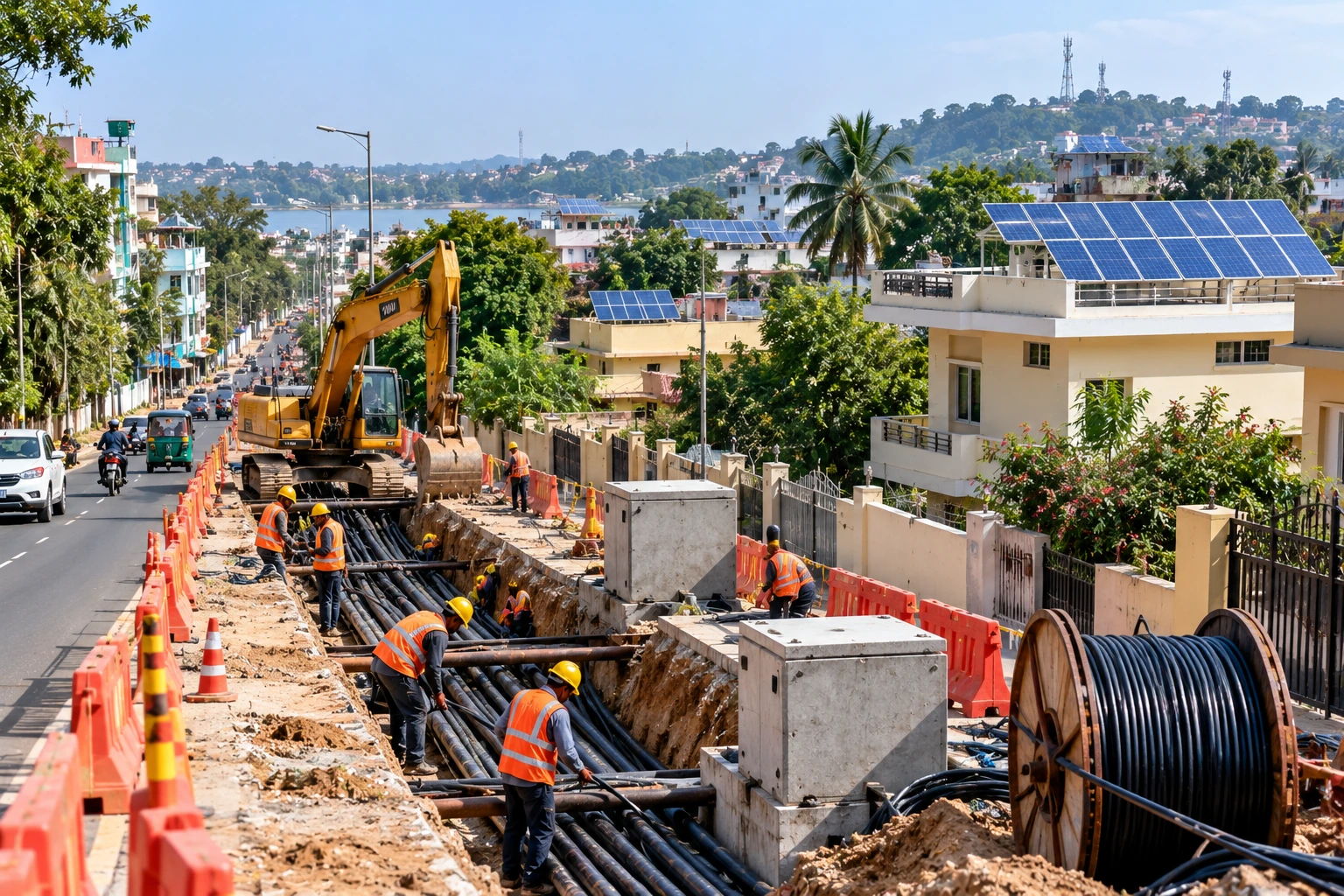
INDIA —A major infrastructure project valued at ₹11.51 billion has been initiated in Tripura to modernize the power distribution architecture of Agartala. The project focuses on converting conventional overhead power lines into an underground cabling network across the Agartala Municipal Corporation region and adjacent areas. Capitalized through a multi-tiered financing model, the initiative receives ₹5.25 billion from an Asian Development Bank (ADB) loan, ₹4.95 billion from central government funds, and ₹1.31 billion from state budgetary allocations.
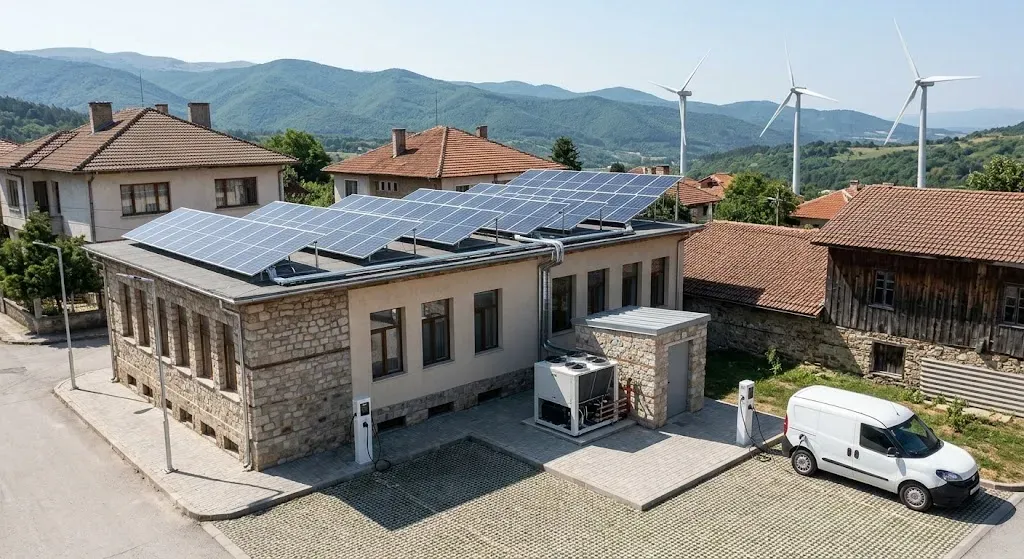
Tripura State Electricity Corporation Limited, the state-owned utility responsible for power generation, transmission, and distribution across Tripura, is overseeing the implementation of the Agartala Smart Grid framework. To minimize civil disruption and preserve urban surface infrastructure, project execution utilizes trenchless horizontal directional drilling methods rather than continuous open excavation. Alongside grid modernization, state authorities launched a Utility-Led Aggregation model under the national rooftop solar scheme, targeting the installation of residential solar units for 1.5 lakh low-income families to mitigate domestic energy costs.
The shift to underground cabling addresses longstanding structural vulnerabilities in northeastern India's power distribution systems, which frequently suffer outages from severe weather events and dense urban encroachment. Capital investment in underground electrical corridors significantly lowers line losses, prevents unauthorized power tapping, and enhances overall grid resilience. For local utilities, lower operational overhead and reduced maintenance expenditures offer a clear path toward long-term financial stabilization.
For engineering contractors, equipment manufacturers, and renewable energy suppliers, this development highlights expanding public procurement opportunities in India's secondary urban hubs. Infrastructure modernization programs combining international development bank financing with targeted clean-energy subsidies reflect a broader policy trend toward resilient, low-carbon urban infrastructure. Furthermore, scaling rooftop solar among lower-income demographics accelerates distributed energy adoption while easing peak load pressures on the regional grid.