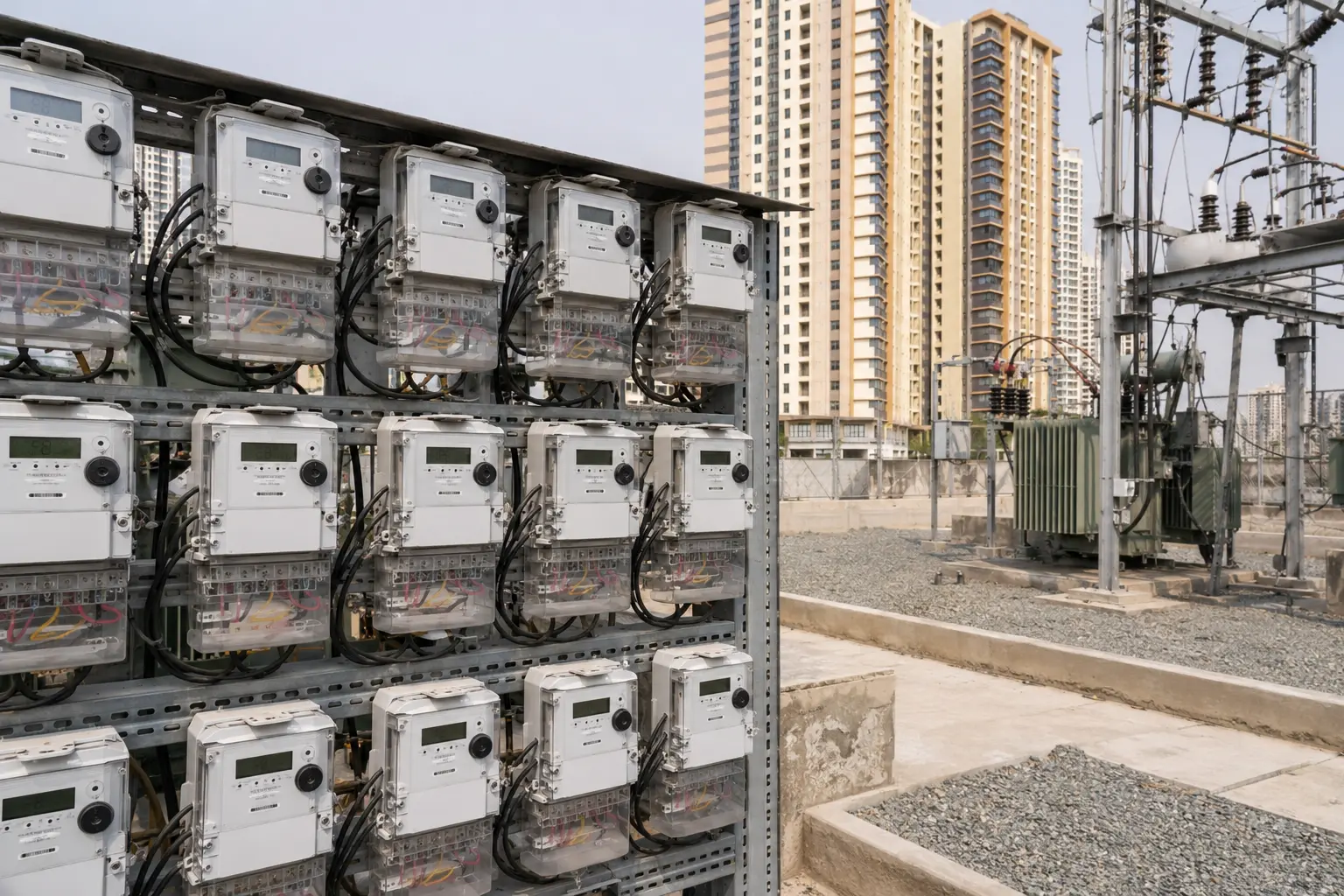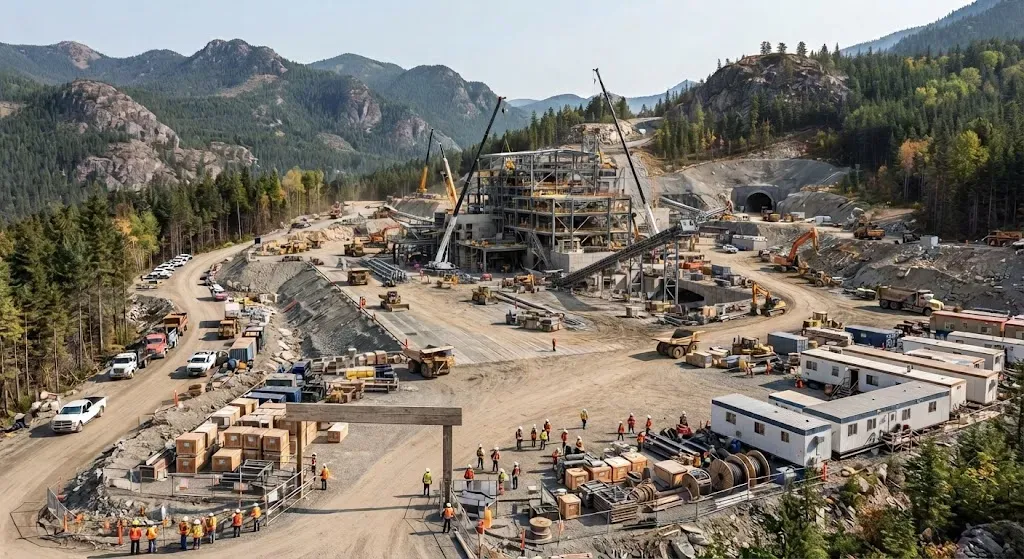
KOREA (SOUTH); UZBEKISTAN —Asian Development Bank (ADB) President Masato Kanda and South Korean leadership established a financial and strategic alignment targeting mineral supply chains, grid modernization, and artificial intelligence deployment across developing member economies. The Export–Import Bank of Korea and the Korea Trade Insurance Corporation committed up to $1 billion in parallel cofinancing and risk-sharing instruments under specialized financing facilities, complemented by a separate $20 million South Korean technical and deployment grant package dedicated to artificial intelligence capacity. Parallel to bilateral talks in Seoul, a four-party memorandum of understanding involving Korean export finance and Uzbek metallurgical entities was finalized to bridge Central Asian mineral deposits with industrial processing ecosystems.
This coordination signals a deliberate pivot by multilateral lenders toward sovereign-backed industrial policy alignment, merging traditional infrastructure finance with strategic commodity security and high-technology diffusion. By anchoring South Korean engineering capabilities in nuclear power grids and mineral processing into regional development loans, the initiative addresses systemic vulnerabilities exposed by concentrated global supply chains and accelerating power demand from digital infrastructure.
Regional energy ministries and developing member states face immediate reorientation toward grid enhancement frameworks that accommodate nuclear baseload integration under updated multilateral energy policies. Concurrently, regional mining jurisdictions in Central Asia and the broader Indo-Pacific gain structured pathways to move up value chains from raw extraction to refined manufacturing. Technology governance frameworks across participating developing economies must also adapt to manage cybersecurity and labor displacement risks accompanying scaled artificial intelligence adoption.
Private sector contractors, specialized mining houses, and energy infrastructure developers gain predictable cofinancing pipelines backed by export credit guarantees, reducing project-level risk premiums for cross-border industrial ventures. Institutional investors and capital allocators monitoring emerging market resource extraction can anticipate tighter integration between bilateral export credit agencies and multilateral development banks, establishing benchmark templates for future resource-for-technology compacts in developing economies.