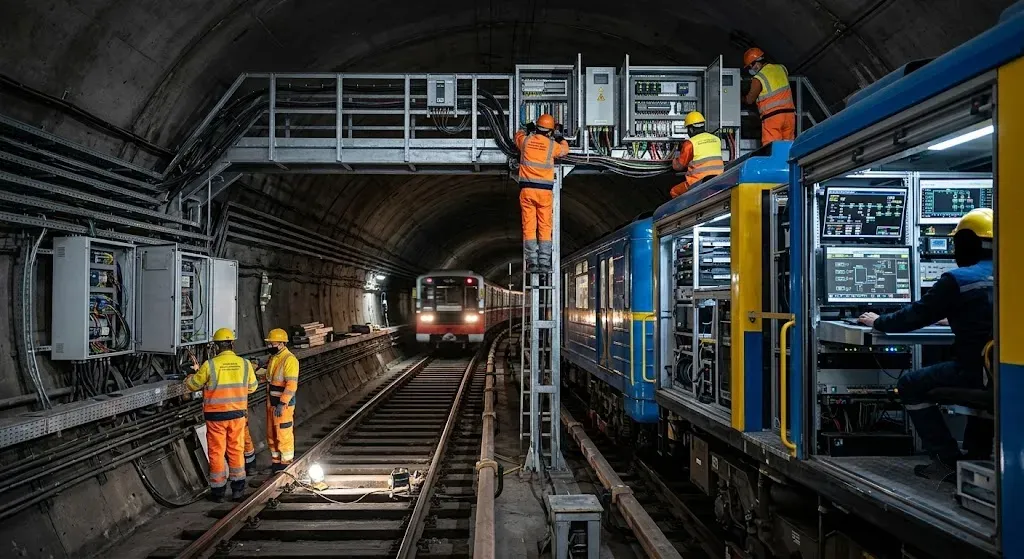
AZERBAIJAN —The Asian Development Bank (ADB) has approved a financing package totaling $302.38 million dedicated to the Baku Metro Signaling Modernization and Operations Digitalization Project in Azerbaijan. Headquartered in Manila, the Asian Development Bank (ADB) is a multilateral financial institution dedicated to promoting economic and social development across the Asia-Pacific region. This infrastructure initiative forms a key component of a larger $2.6 billion expansion program backed by the government, designed to extend transit coverage by constructing approximately 20 kilometers of new tunnels, nine stations, and two depots while acquiring 300 additional metro cars.
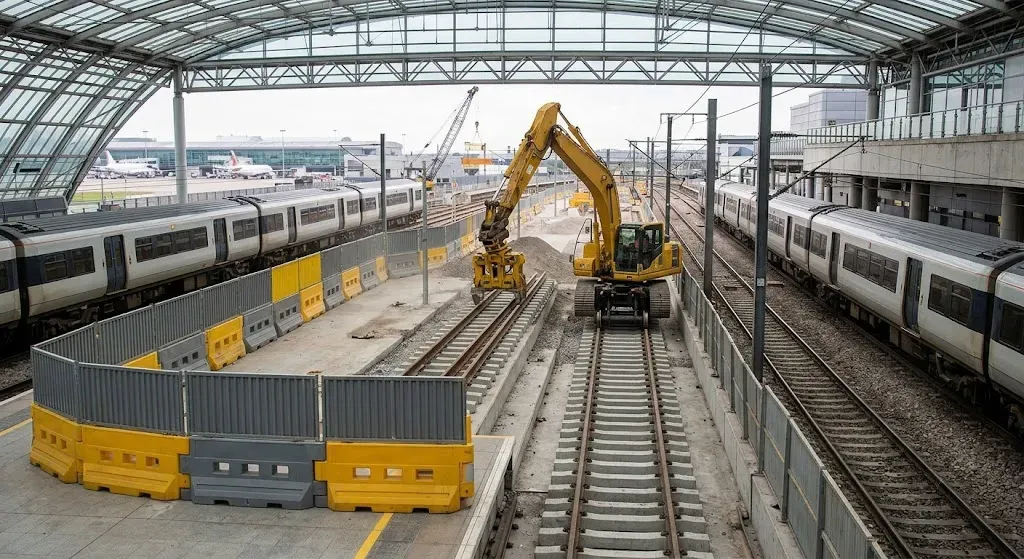
Upgrading the urban transit network is crucial for addressing severe road congestion across the greater capital region while accommodating climbing commuter volumes. The existing infrastructure handles heavy transit loads, having recorded over 220 million passenger boardings. By upgrading to communications-based train control technology and modernizing the central control hub, the network can achieve higher train frequencies during peak commuting hours while minimizing technical disruptions that compromise safety and reliability.
The modernization initiative carries wide-ranging consequences for municipal transit efficiency, institutional capability, and workforce development. Beyond core railway hardware, the program introduces integrated digital frameworks covering enterprise asset management, crowd management, cybersecurity protocols, and commuter information services. Institutional capacity-building efforts will additionally focus on fostering technical skill development and expanding professional participation opportunities for women across engineering and digital operations roles.
The total capital expenditure for the modernization scheme is valued at $515.07 million. Alongside the primary funding from the multilateral bank, the Asian Infrastructure Investment Bank is providing co-financing of $79.98 million, while the national government contributes an investment of $132.71 million. These coordinated capital deployments establish a resilient foundation for long-term urban mobility, energy efficiency optimization, and data-driven corporate governance within the municipal transit sector.