LAO PDR —The Asian Development Bank (ADB) has approved a USD 30 million financing package to support sustainable tourism infrastructure and destination management in Lao PDR under The Greater Mekong Subregion (GMS) Smart and Sustainable Tourism Infrastructure for Inclusive Growth Project. Structured around a USD 25 million concessional loan and a USD 5 million grant from the Asian Development Fund (ADF), alongside domestic in-kind contributions for staff and facilities, the initiative targets Vientiane Capital, Vientiane Province including Feuang District, Champasak, and Louangphabang along the Greater Mekong Subregion North-South Economic Corridor (NSEC).
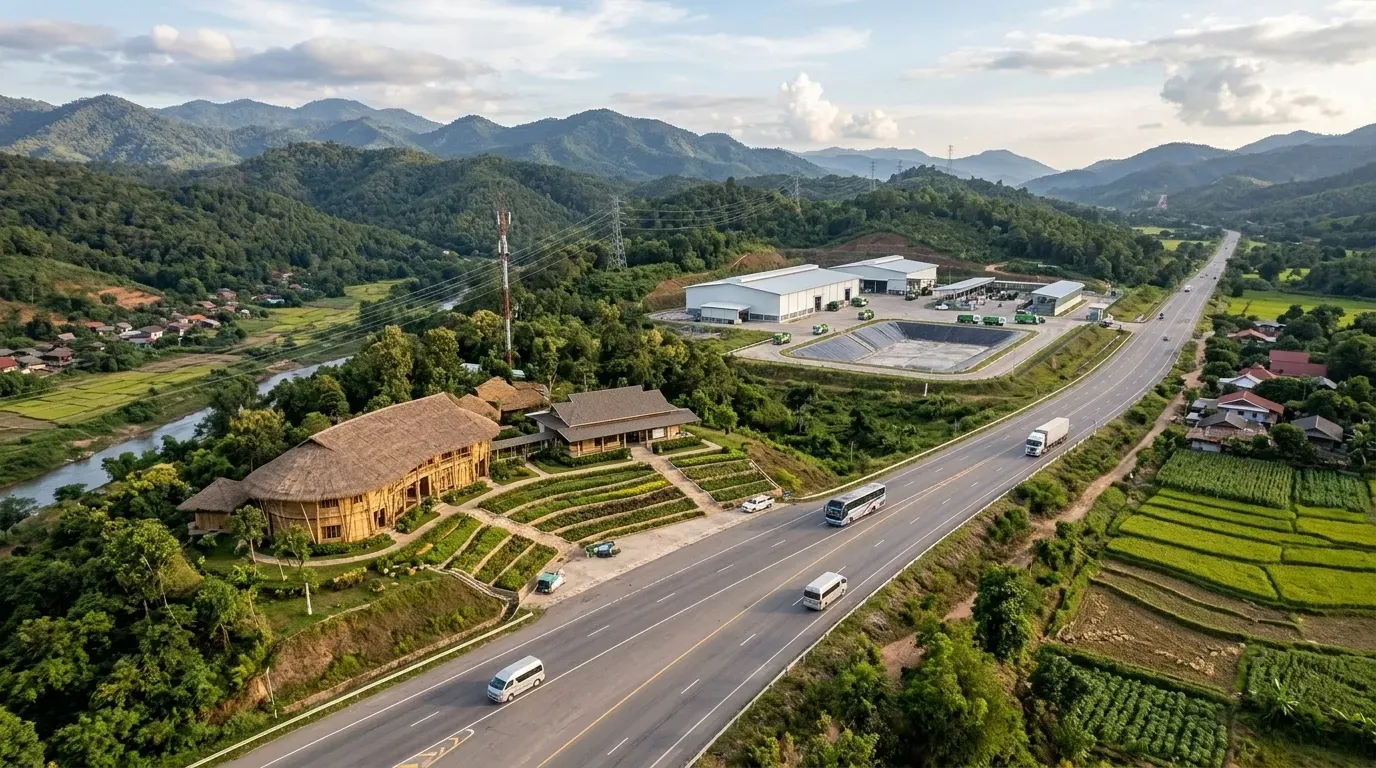
Tourism plays a major role in Lao PDR's macroeconomic base, contributing over 11% of gross domestic product and 17% of employment in 2024, while international arrivals rose 11.2% in 2025 to 4.6 million. Rapid volume growth in secondary destinations, such as Feuang District where visitation climbed from 48,000 in 2022 to 174,000 in 2025, creates pressure on local roads, water systems, and waste disposal. Upgrading access routes to Nam Lik 2 Reservoir, adding flood-resilient landing and visitor facilities plus cycling paths, and replacing an open dump with a managed landfill, recycling, composting, and septage treatment addresses infrastructure bottlenecks while serving roughly 57,600 local residents and an estimated 713,000 annual visitors.
For hospitality, transport, and environmental service providers, the program pairs physical civil works with digital tourism tools, regional and international service standards, and stronger municipal operations and maintenance capacity. The Asian Development Bank (ADB), founded in 1966 and owned by 69 members including 50 from Asia and the Pacific, operates as a multilateral development bank financing sustainable growth, infrastructure, and resilience across the region. Replacing informal dumping with engineered waste and septage management reduces environmental risks around scenic waterways and reservoirs that underpin nature-based travel.
For businesses and institutional investors, public-private destination management networks, updated zoning plans, and targeted support for small enterprises create clearer operating conditions and co-investment pathways in secondary tourism hubs. Improved road links, climate-resilient landing sites, and standardized service protocols can lower commercial friction for operators expanding outside primary gateways. Over time, stronger local governance and asset maintenance will determine whether municipal upgrades sustain visitor spending and attract long-term private capital across northern and southern corridors.