TURKEY —The Asian Development Bank (ADB) has finalized $208.3 million in private sector financing agreements in Türkiye to expand long-term capital access for micro and small-sized enterprises, accelerate sustainable equipment deployment, and reinforce commercial trade frameworks. These initiatives align with ADB's Trade and Supply Chain Finance Program (TSCFP) and Leading Asia's Private Infrastructure Fund 2 (LEAP 2), which support trade financing and private infrastructure investment, respectively. Founded in 1966, ADB is a multilateral financial institution owned by 69 members, dedicated to promoting economic growth and reducing poverty across Asia and the Pacific.
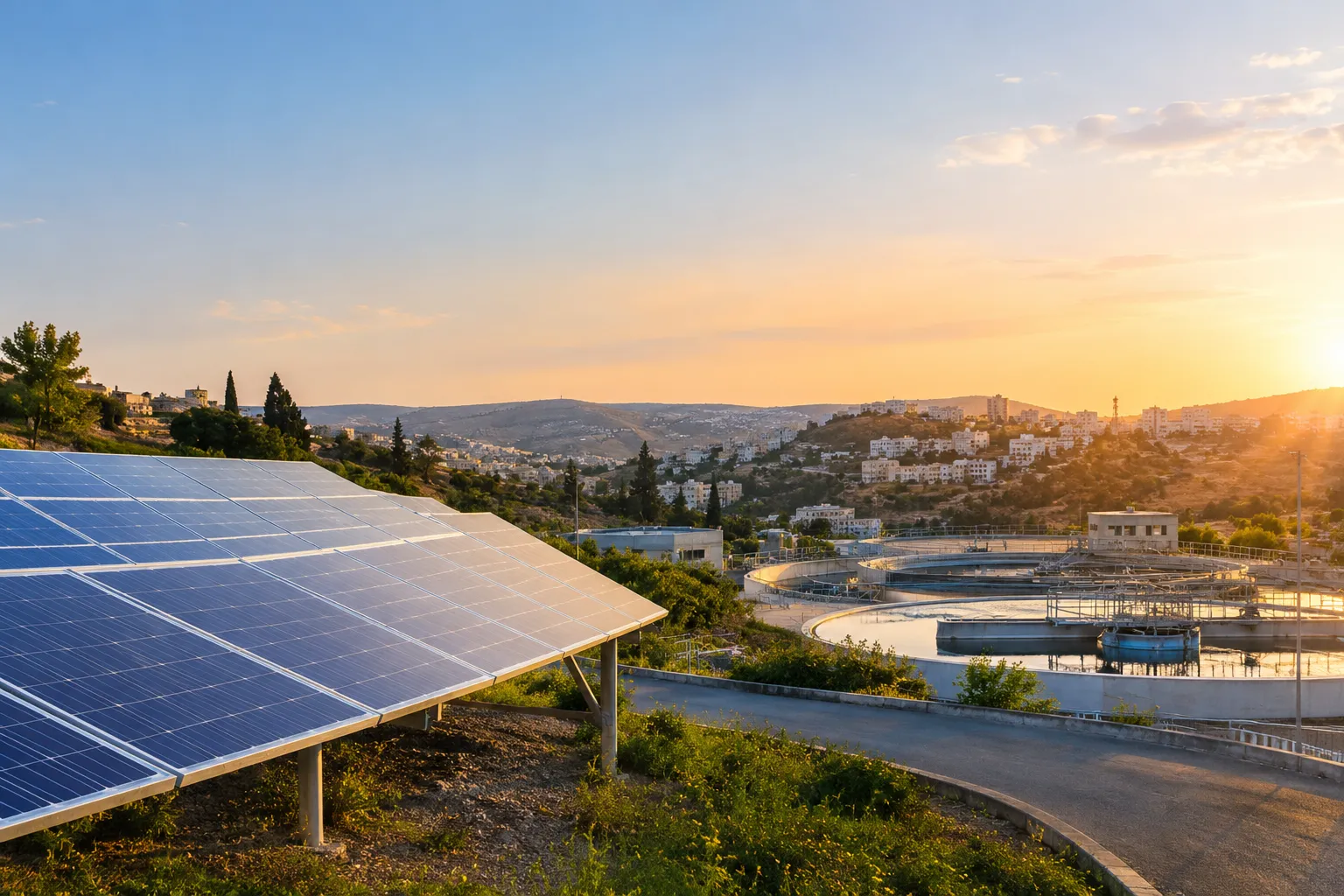
The structured package encompasses three primary financial instruments deployed during high-level meetings. A $100 million private sector facility has been directed toward Türkiye Vakıflar Bankası to support smaller commercial entities operating in economically constrained regions, including areas impacted by previous seismic events, with a mandated focus on women-led operations. Concurrently, a $108.3 million financing allocation involving Ak Finansal Kiralama Anonim Şirketi delivers a combination of direct capital and parallel co-financing to scale up clean energy adoption and energy-efficient asset leasing. Additionally, an issuing bank agreement was established under a broader trade finance initiative to facilitate cross-border commercial transactions for local corporate entities.
This capital injection addresses critical liquidity constraints historically faced by smaller commercial operators and asset-leasing platforms, particularly in regions undergoing post-disaster structural recovery. By embedding gender-inclusion targets and clean-energy mandates into the facility parameters, the initiative directly targets market inefficiencies where traditional commercial lending is often restricted. The provision of specialized environmental and social advisory services further establishes institutional capabilities for managing sustainable portfolios.
The development directly impacts financial institutions, leasing corporations, and micro-sized enterprises operating within the manufacturing, commerce, and renewable energy technology sectors across Türkiye. Regional stakeholders, particularly in earthquake-affected provinces, gain access to specialized recovery capital. Furthermore, commercial banking institutions participating in international trade facilitation programs experience enhanced capacity to underwrite cross-border transactions and implement sustainable corporate governance frameworks.
For institutional investors and corporate leadership, the initiative highlights an accelerating alignment between multilateral development finance and local commercial leasing structures focused on decarbonization. Businesses operating in energy-intensive or export-oriented segments can anticipate expanded opportunities for capital expenditure financing related to energy efficiency upgrades. Financial market participants must navigate increasingly stringent environmental risk assessment standards as sustainability frameworks become prerequisites for accessing multilateral credit lines.