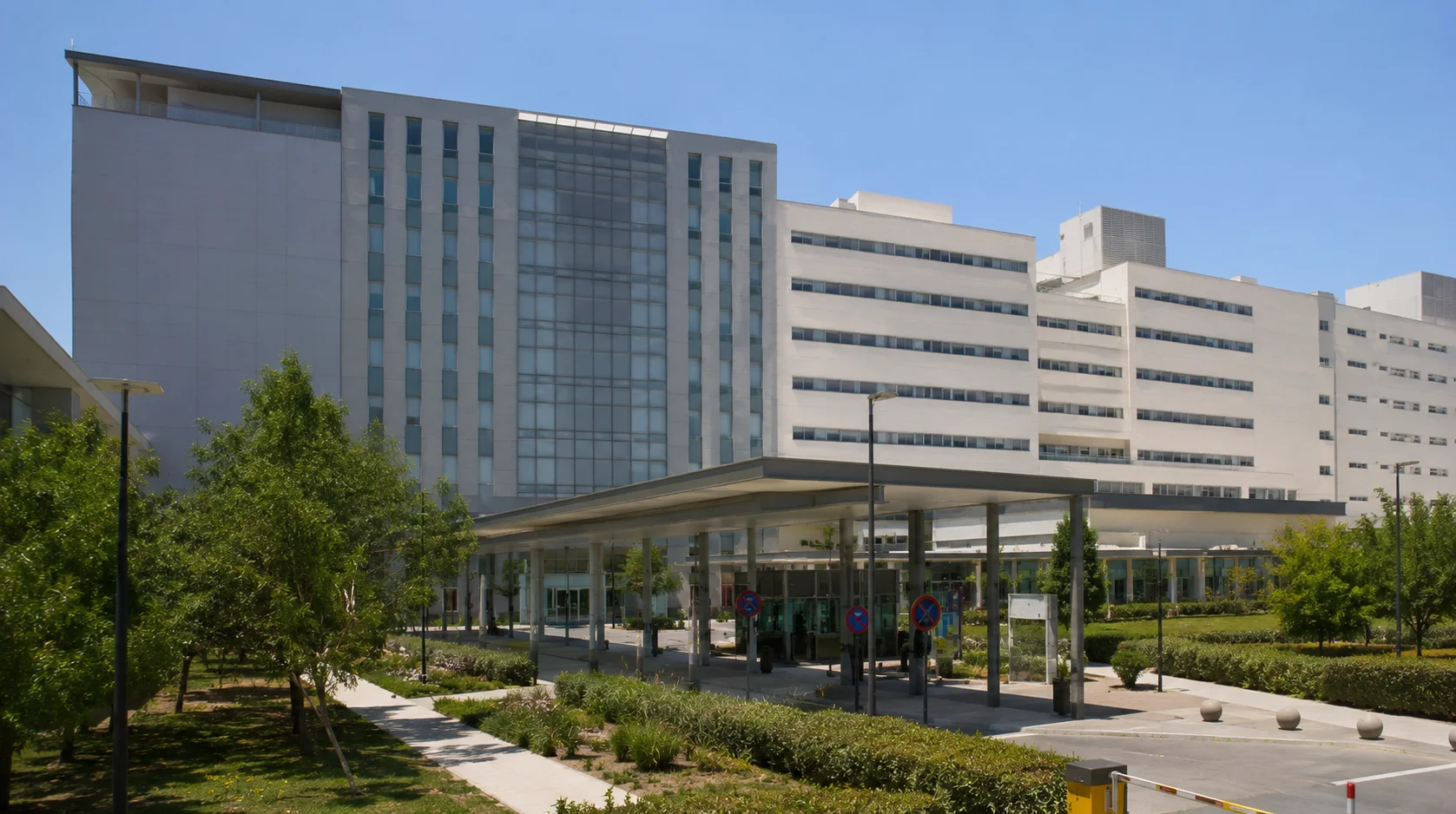
MONGOLIA —A major infrastructure financing package targeting the overhaul of regional healthcare delivery in East Asia has been approved, marking the institution's largest clinical investment in the country to date. The $225 million loan facility will finance extensive physical upgrades and technical enhancements across secondary and primary care networks nationwide, prioritizing underserved rural populations and high-traffic transit corridors.
The Asian Development Bank (ADB) is a regional development financial institution established in 1966 and headquartered in Manila, Philippines. It works to foster social and economic development across Asia and the Pacific by providing loans, technical assistance, grants, and equity investments to member nations.
Under the capital deployment plan, primary capital allocations will fund the modernization of 19 provincial hospitals, complemented by the greenfield development of a 300-bed regional medical facility in Uvurkhangai Province. To bridge critical care gaps along vital economic zones, 11 primary healthcare centers will be constructed at strategic highway intersections and international border checkposts. Upgrades will focus heavily on advanced oncology, cardiology, and intensive care assets, alongside modernized emergency transport and surgical infrastructure.
Beyond physical construction, the program establishes a digital backbone connecting regional facilities to specialized tertiary institutions in Ulaanbaatar through integrated telemedicine and referral systems. The initiative also addresses severe weather resilience, incorporating disaster preparedness protocols to handle extreme climatic events such as severe winter freezes, flash floods, and thermal spikes.
This systemic upgrade addresses the longstanding migration of rural patients toward capital facilities for specialized treatments. By building local diagnostic and complex treatment capacity, the project reduces financial and logistical burdens on provincial households while decentralizing national medical resources. Specialized equipment procurement and extensive clinical workforce training present significant opportunities for international medical device vendors, healthcare technology firms, and institutional training providers expanding into emerging Central Asian markets.