UZBEKISTAN —The Asian Development Bank (ADB), established in 1966, is a multilateral financing institution comprising 69 member countries that promotes social and economic development across Asia and the Pacific. Through strategic capital deployment, technical assistance, and partnerships, the institution addresses regional challenges by supporting infrastructure development, sustainable growth, and resource management initiatives. Its activities include the Resilient Livestock Development Project, while its broader financing mechanisms include the Japan Fund for Prosperous and Resilient Asia and the Pacific (JFPR), which supports development initiatives across the region
The financing instrument comprises a USD 60 million concessional loan designed to bolster rural productivity and operational stability within the pastoral sector. Additional capital support includes complementary grants totaling USD 5 million from the Green Climate Fund (GCF) under its specialized initiative, alongside USD 3 million supplied through a Japanese-funded regional prosperity mechanism managed via the multilateral bank.
Operations will concentrate on approximately 29,000 independent smallholder producers located across five designated administrative zones, specifically encompassing Bukhara, Kashkadarya, Navoi, the Republic of Karakalpakstan, and Samarkand. Implementation frameworks emphasize structural reforms in resource management to mitigate systemic vulnerabilities linked to intensifying environmental pressures and resource constraints.
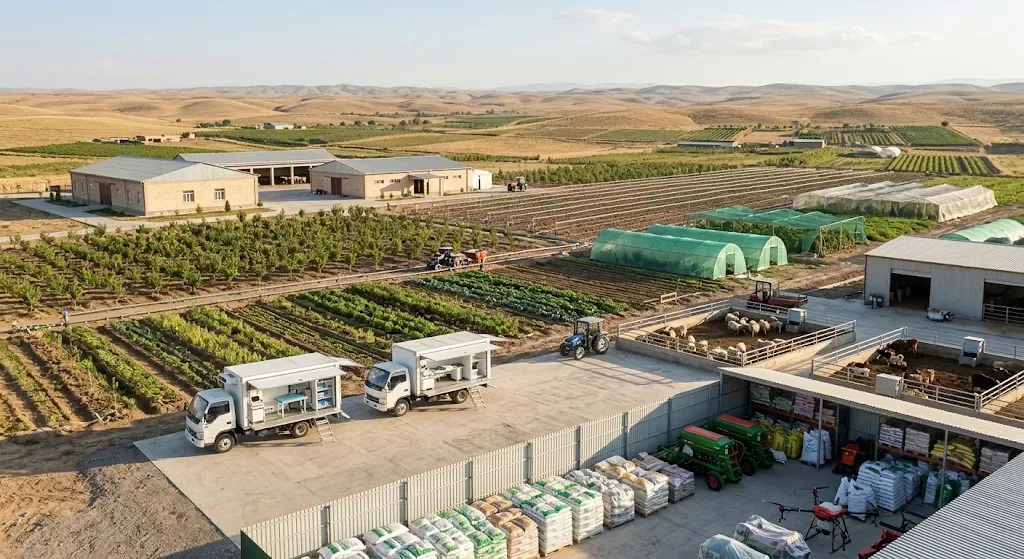
Strategic interventions focus on deploying technological innovations and infrastructural upgrades to counter escalating environmental threats such as persistent dry spells, elevated temperatures, and limited water availability. Core measures involve optimizing communal grazing zones, expanding cultivation acres dedicated to resilient fodder varieties, and reconstructing essential watering infrastructure for livestock.
Institutional enhancement measures prioritize the modernization of advisory channels and animal health networks through advanced analytical tools. Digital integration features remote pasture evaluation systems, mobile applications delivering targeted operational guidance and early warnings, and localized veterinary assistance units structured to enhance operational continuity for agrarian participants.