INDIA —Private capital mobilization is taking center stage in Central India's energy transition as regional authorities seek to bridge infrastructure funding gaps through commercial partnerships. Under a newly executed transaction advisory agreement, a major multilateral lender will guide the state government of Madhya Pradesh in structuring public-private partnership (PPP) frameworks designed to attract up to $1 billion in private investment for clean power developments.
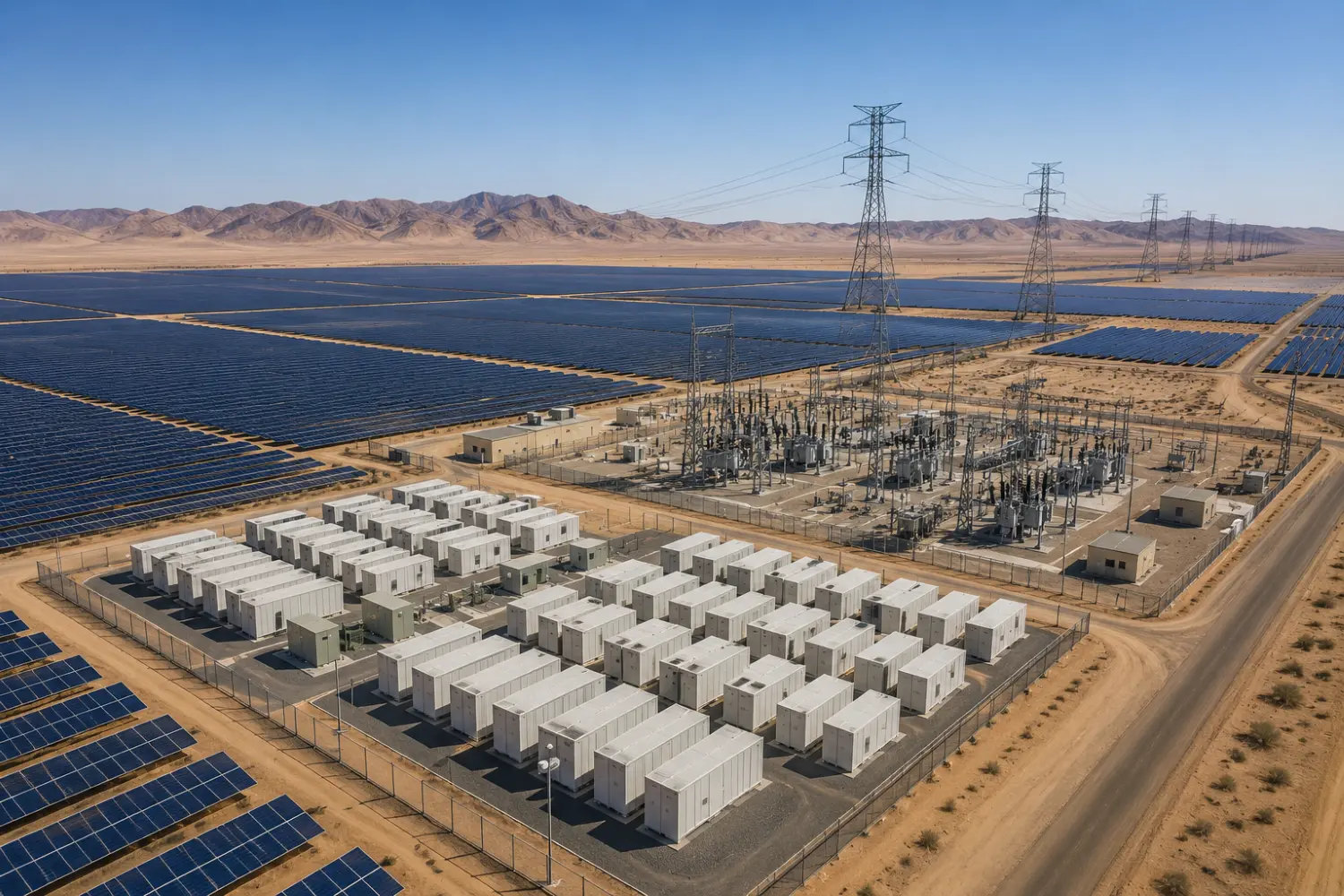
The advisory scope focuses on designing commercially viable project structures to scale up renewable generation and grid-scale energy storage. A primary project under this framework includes a integrated solar power and battery energy storage system in Shajapur. The facility is engineered to capture excess solar output and supply electricity during peak demand periods, directly addressing intermittency challenges and strengthening regional grid stability.
This initiative directly supports the state's broader mandate under its Renewable Energy Policy 2025, which aims to source half of its total electricity demand from clean energy resources by 2030. By establishing standardized, bankable transaction structures, the initiative creates scalable templates for institutional investors and private infrastructure developers seeking exposure to Indian green power assets.
For energy developers, equipment manufacturers, and financial institutions, the deployment of structured PPP models reduces off-taker risk and clarifies revenue mechanisms in grid storage investments. The integration of battery storage alongside utility-scale solar signals expanding commercial opportunities in energy storage systems, grid balancing technologies, and specialized engineering services across regional power markets.
The Asian Development Bank (ADB) is a regional development finance institution owned by 69 member countries that provides loans, technical assistance, grants, and equity investments to promote social and economic development across Asia and the Pacific.