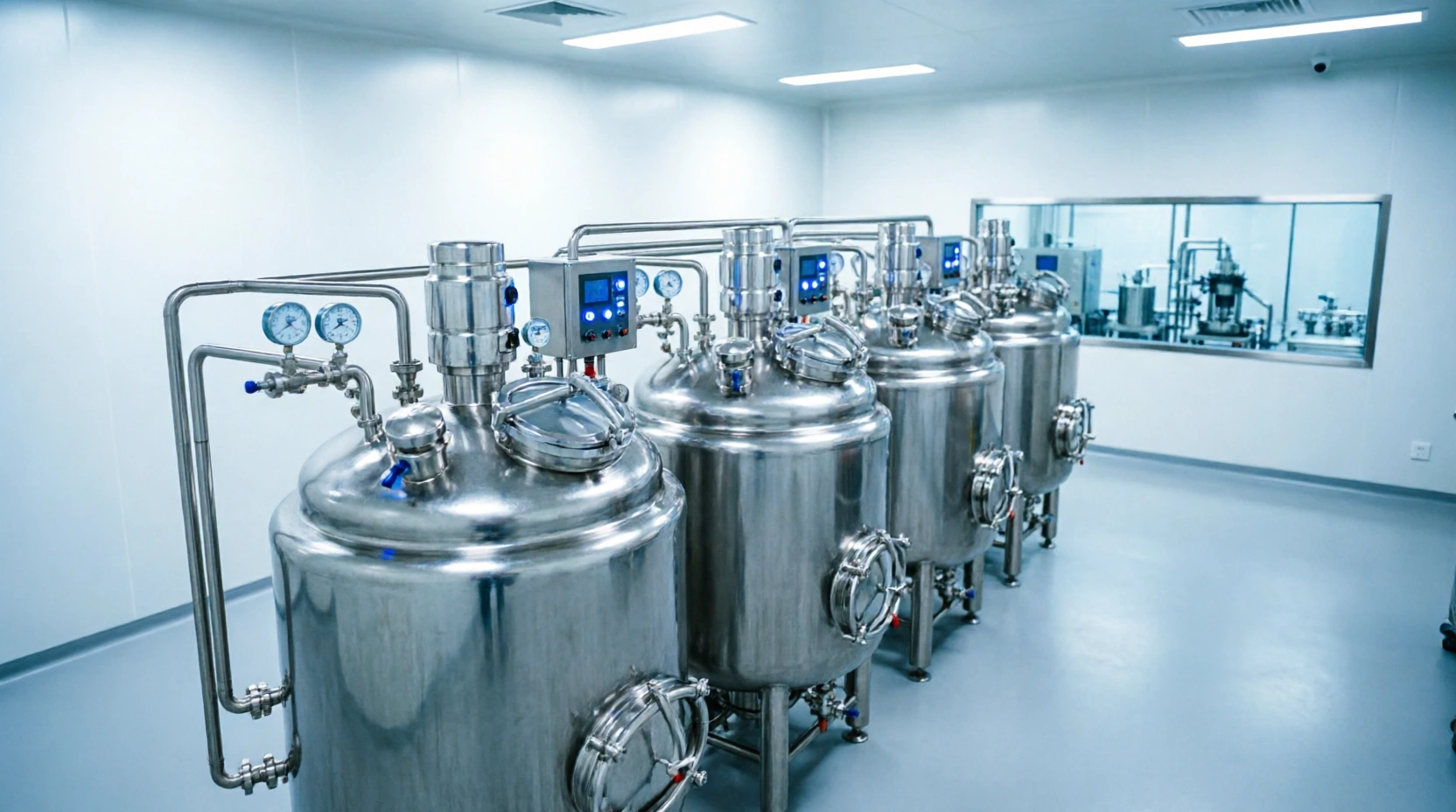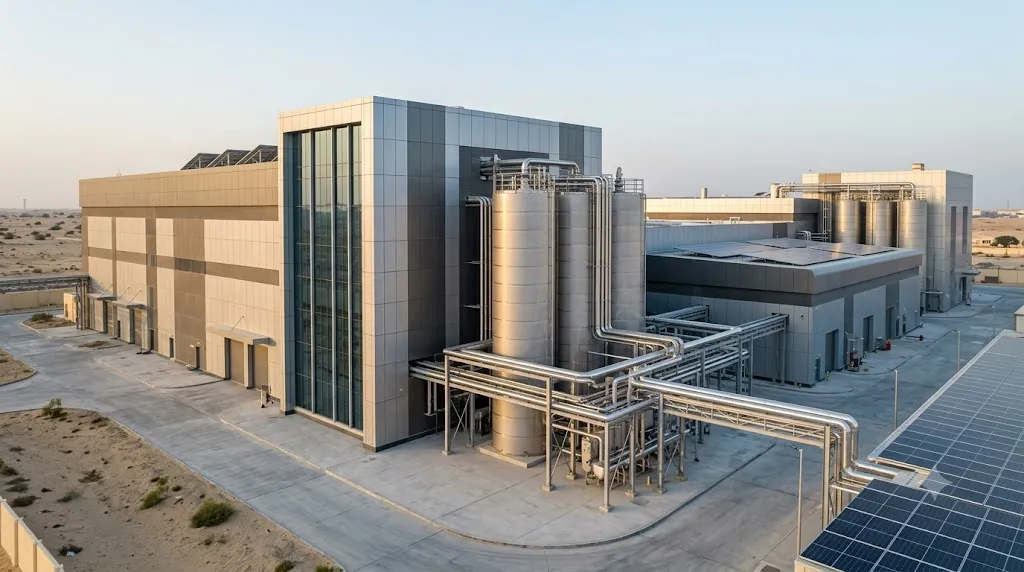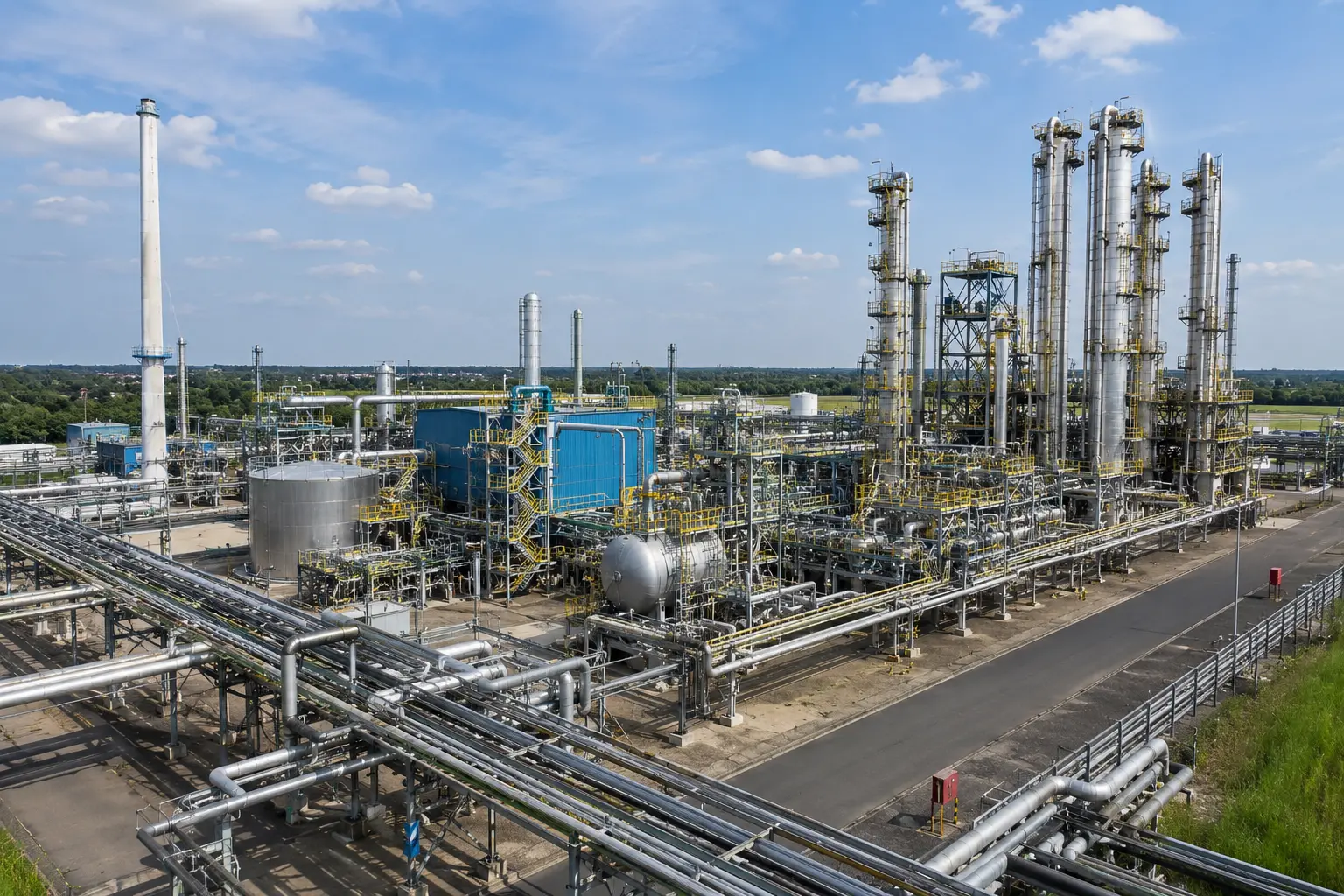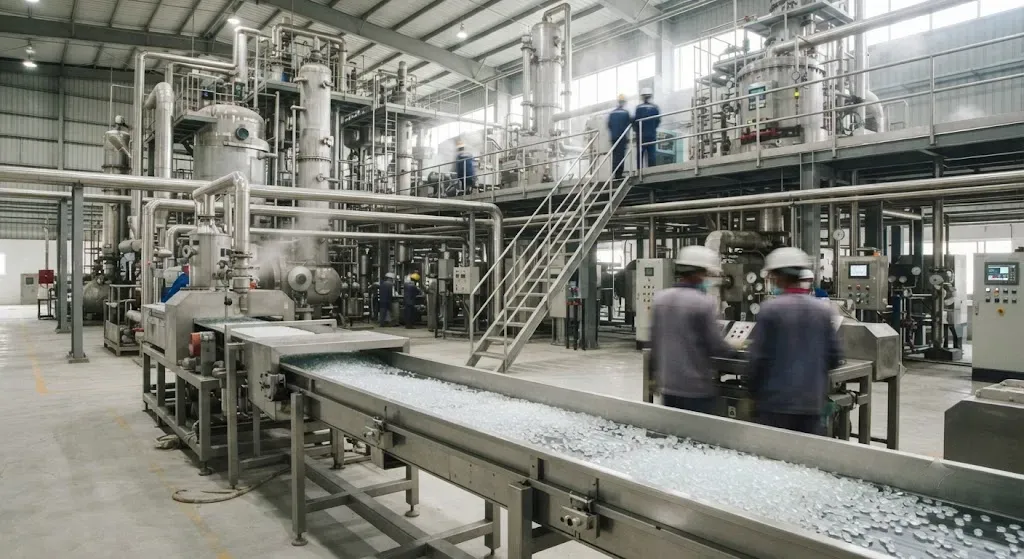
BANGLADESH —The Asian Development Bank (ADB) has finalized a $50 million long-term debt financing agreement with Bangladesh-based Modern Syntex Limited to execute the Modern Energy-Efficient Polyester Chips Manufacturing Project. Based in the Mirsarai Economic Zone in Chattogram as part of the T.K. Group, Modern Syntex operates the country's initial continuous polymerization facility producing polyester chips, synthetic yarn, and fiber for domestic textile producers. The capital injection will enable the enterprise to expand daily polyester chip manufacturing from 107 tons to 407 tons, while simultaneously refinancing short-term working capital loans from local lenders. The expansion focuses specifically on high intrinsic viscosity polyester chips required for advanced garment production.
This financial commitment directly addresses critical structural vulnerabilities in the Bangladeshi industrial landscape. Although ready-made garment manufacturing represents a primary driver of the national economy, textile manufacturers remain heavily dependent on foreign suppliers for synthetic raw materials. By scaling domestic production of essential polyester inputs through the Modern Energy-Efficient Polyester Chips Manufacturing Project, the initiative accelerates backward integration, lowers import bills, cuts lead times, and stabilizes supply chains for local apparel exporters.
The investment reinforces regional economic policies aimed at modernizing industrial infrastructure and advancing industrial sustainability across South Asia. Incorporating energy-efficient equipment into the project facility is projected to achieve annual energy savings of approximately 4,840 megawatt-hours and reduce carbon emissions by around 2,222 tons of carbon dioxide equivalent per year. Furthermore, the operational enhancement supports the enterprise's target of acquiring LEED Platinum certification for its factory, establishing a benchmark for sustainable industrial development in emerging markets.
For international investors and commercial decision-makers, the capital deployment demonstrates growing MDB backing for private-sector industrial projects in developing Asian economies. Localizing key chemical and synthetic inputs helps reduce foreign exchange exposure for domestic manufacturers, boosts regional competitiveness, and creates about 100 industrial jobs. The project also emphasizes workforce inclusivity by implementing targeted recruitment measures to expand female participation in manufacturing operations.