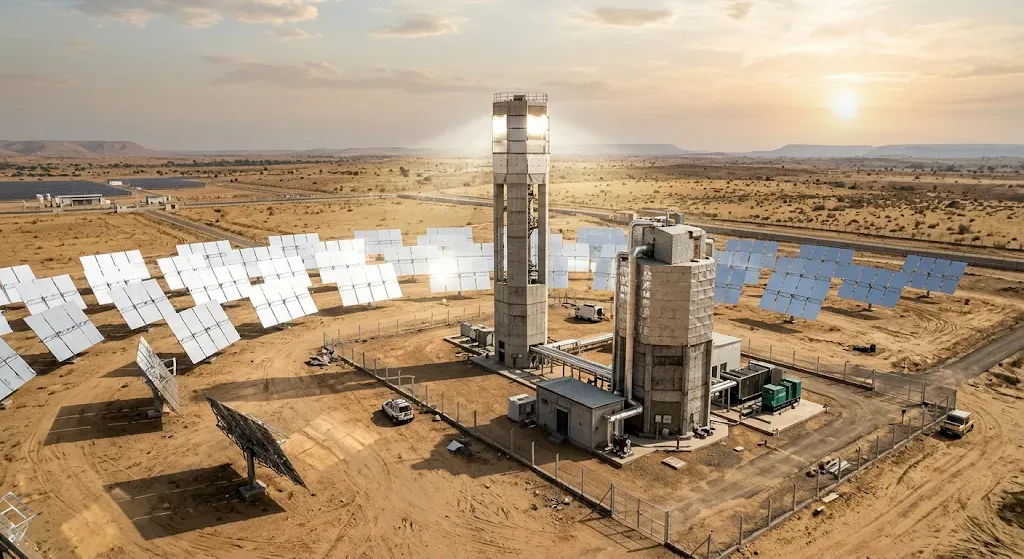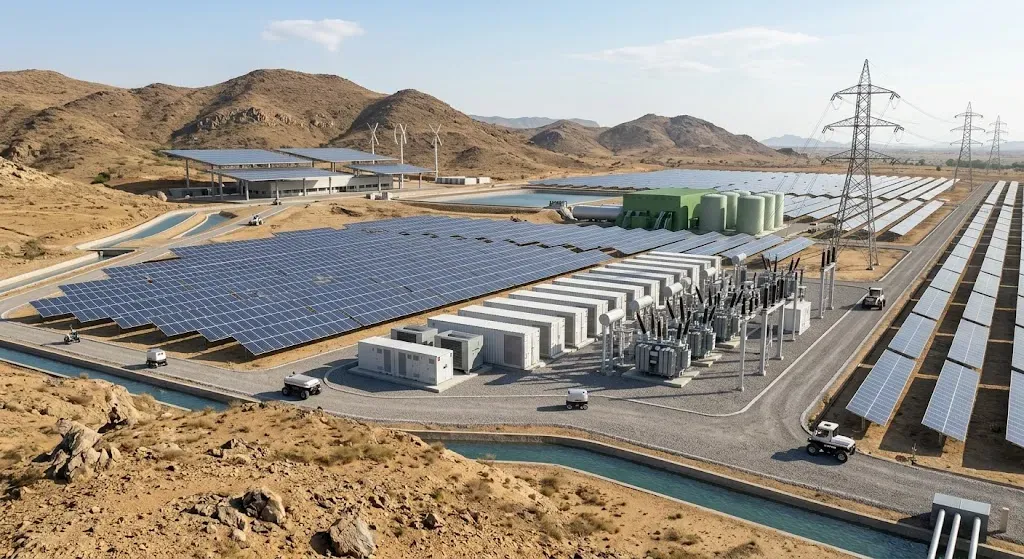
EGYPT —Multilateral lender African Development Bank (AfDB) Group has finalized a 66 million US dollar debt financing package with project entity Dandara Solar Power S.A.E., owned by Norway's Scatec and its equity partners. The capital commitment funds the initial phase of the Dandara hybrid energy development in Egypt's Qena Governorate, which integrates a 500-megawatt solar photovoltaic generation plant with a 100-megawatt-hour battery energy storage system.
The African Development Bank (AfDB) Group is a regional development finance institution established to foster sustainable economic growth and social progress across African member nations. Dandara Solar Power S.A.E. operates as a special purpose vehicle formed by renewable energy developer Scatec to construct and manage large-scale power assets. The Aluminium Company of Egypt (EgyptAlum) is a major state-backed industrial enterprise and one of North Africa's primary primary aluminum smelting corporations.
The total financial package combines 46 million US dollars from the bank's core capital, 20 million US dollars in concessional loans from the Clean Technology Fund (CTF), and an additional 151 million US dollars mobilized through a broader syndicate of international development finance institutions. Expected to reach full commercial operations by early 2028, the installation will generate roughly 1,373 gigawatt-hours of electricity per year. Under a 25-year corporate power purchase agreement backed by the Egyptian Electricity Transmission Company (EETC), all generated power will be supplied directly to EgyptAlum's industrial facilities.
This utility-scale hybrid project highlights the accelerated transition of energy-intensive heavy manufacturing toward zero-carbon supply chains in emerging markets. For industrial exporters, metals producers, and power infrastructure investors, integrating grid-scale battery storage ensures continuous baseload power while decarbonizing heavy export industries, helping domestic manufacturers mitigate tariff risks associated with international carbon compliance regulations such as the European Union's Carbon Border Adjustment Mechanism (CBAM).