SAO TOME AND PRINCIPE —A strategic financing initiative has been launched to strengthen water security and climate resilience in Central Africa. The African Water Facility (AWF), a project preparation instrument established by the African Ministers' Council on Water and managed by the African Development Bank Group, has awarded a €0.5 million (€500,000) project-preparation grant to the island nation of São Tomé and Príncipe. According to official disclosures, the funding will support project structuring, feasibility studies, and investment preparation to optimize capital deployment across the archipelago.
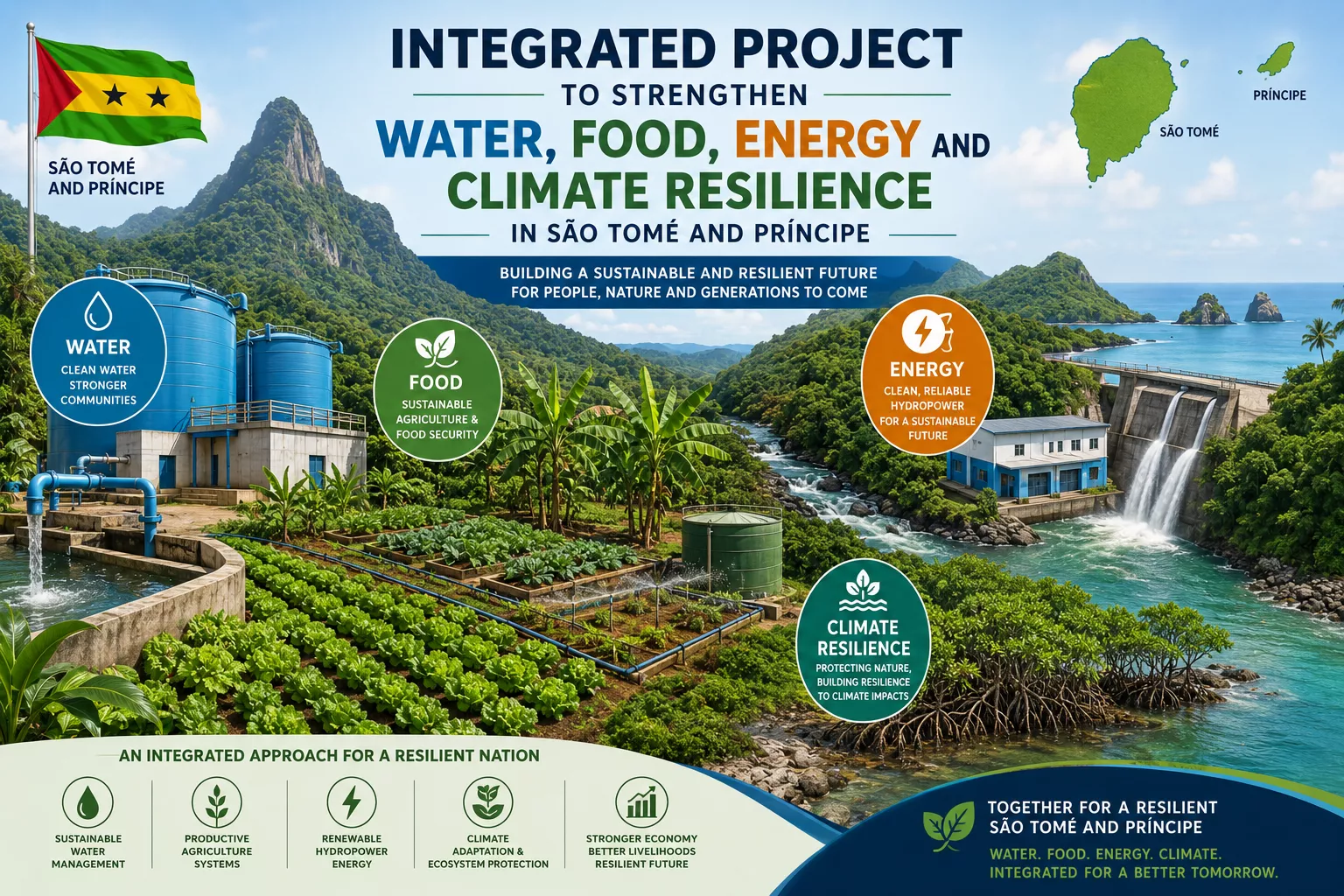
The grant framework is designed to prepare bankable infrastructure proposals that can mobilize an estimated €20 million in downstream investment. The resulting program will implement integrated systems across critical development sectors, targeting upgrades in municipal water supply, sanitation networks, agricultural irrigation schemes, small-scale hydropower generation, and climate-risk management infrastructure serving over 200,000 residents.
Addressing interconnected resource challenges in small island developing states requires moving away from isolated sectoral interventions. By deploying early-stage technical assistance and project preparation capital, the initiative aims to bridge the critical gap between macro-level climate vulnerabilities and bankable, investment-ready infrastructure assets that meet the risk criteria of international development finance institutions.
From a policy and development finance perspective, the commitment emphasizes the strategic role of targeted project preparation facilities in sub-Saharan Africa. High-quality project preparation mitigates early-stage development risks, aligns national water-energy-food security goals with global ESG standards, and accelerates public and private capital flows into vulnerable island economies.
For international investors, engineering contractors, and multilateral lenders, the allocation creates a structured pipeline of downstream commercial opportunities in regional infrastructure. Establishing robust technical frameworks ensures long-term asset viability, reduces operational risks for concessionaires, and expands market potential for sustainable water technology solutions across the region.