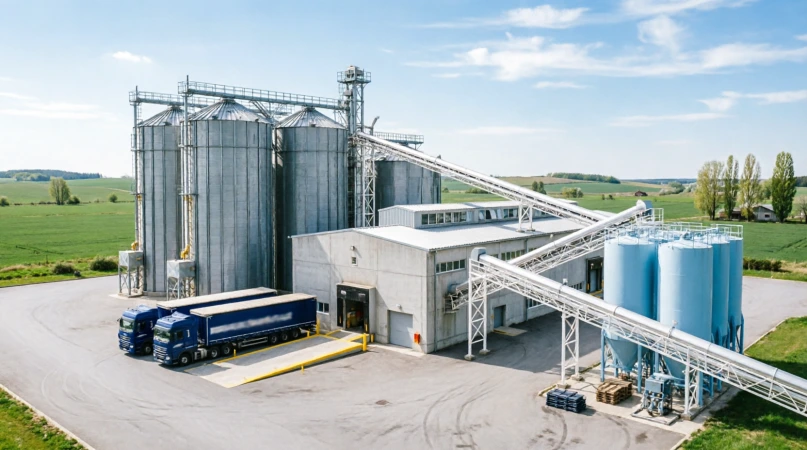
KAZAKHSTAN —AgroComplex Ushtobe LLP has initiated the redevelopment of a long-dormant grain processing site in Ushtobe, located within the Karatal District of Kazakhstan's Zhetisu Region, to establish a large-scale agro-industrial complex with a combined annual output capacity of up to 0.6 million tons. According to disclosures from the Ministry of Agriculture of Kazakhstan, the project involves rehabilitating and modernizing a flour mill that has remained inactive for over a decade, alongside constructing new processing infrastructure. The three-year implementation timeline runs from 2026 through 2028 and is projected to generate approximately 300 permanent jobs across the local district.
AgroComplex Ushtobe LLP is a Kazakhstan-based agricultural processing enterprise focused on industrial food and feed production in the Zhetisu Region. The Ministry of Agriculture of Kazakhstan is the central executive body responsible for formulating and implementing state policy in agro-industrial development, food security, and rural infrastructure across the republic.
This brownfield industrial revival addresses a persistent structural bottleneck in Central Asian agribusiness: the reliance on raw commodity exports rather than domestic value-added processing. By integrating multiple processing lines within a single industrial footprint, the facility will reduce post-harvest losses, lower regional logistics costs, and capture higher margins within the domestic economy. Structural reinforcement of existing buildings and utility upgrades are already underway to prepare the site for phased commissioning.
The complex will be rolled out in three distinct operational stages, directly impacting grain growers, oilseed cultivators, and livestock producers across southeastern Kazakhstan. A dedicated animal feed mill with an annual capacity of up to 0.3 million tons will be the first unit to launch in 2027, followed shortly by an oils and fats extraction plant rated at 0.15 million tons per year. The final phase, scheduled for commissioning in 2028, will bring the modernized 0.15 million-ton flour mill online. This phased rollout aligns closely with national industrial policies aimed at expanding domestic food self-sufficiency and stimulating rural employment.
For agribusiness investors, equipment suppliers, and regional commodity traders, the project signals growing commercial viability for brownfield asset rehabilitation in Kazakhstan's agricultural belt. The establishment of a 0.6 million-ton anchor buyer in the Karatal District will create predictable off-take demand for local farmers, incentivizing expanded cultivation of feed grains and oilseeds while strengthening supply chain integration between crop producers, livestock operations, and downstream food manufacturers.