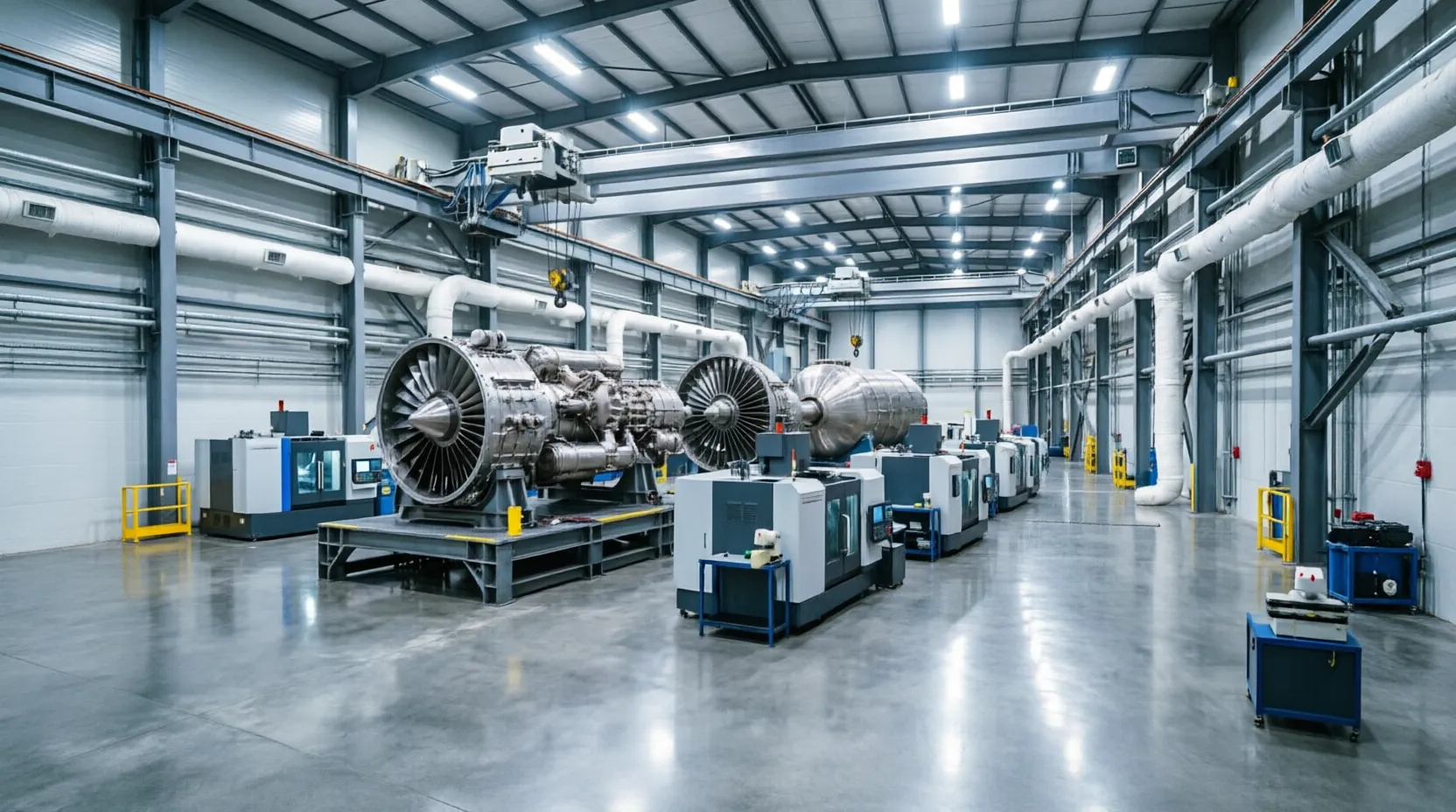
KOREA (SOUTH) —A major capital expansion in South Korea will expand industrial capacity for next-generation power generation assets to meet surging energy needs driven by artificial intelligence infrastructure. HD Hyundai Heavy Industries is deploying KRW 1.07 trillion toward dual manufacturing hubs targeted at land-based internal combustion power engines and modular nuclear technology components. The strategy redirects a portion of the company's traditional heavy manufacturing expertise toward global electricity supply bottlenecks.
HD Hyundai Heavy Industries, a major subsidiary of HD Hyundai, operates as a global leader in shipbuilding, marine engineering, and power equipment manufacturing. Headquartered in South Korea, the entity produces heavy industrial machinery alongside marine and land-based propulsion systems for international markets.
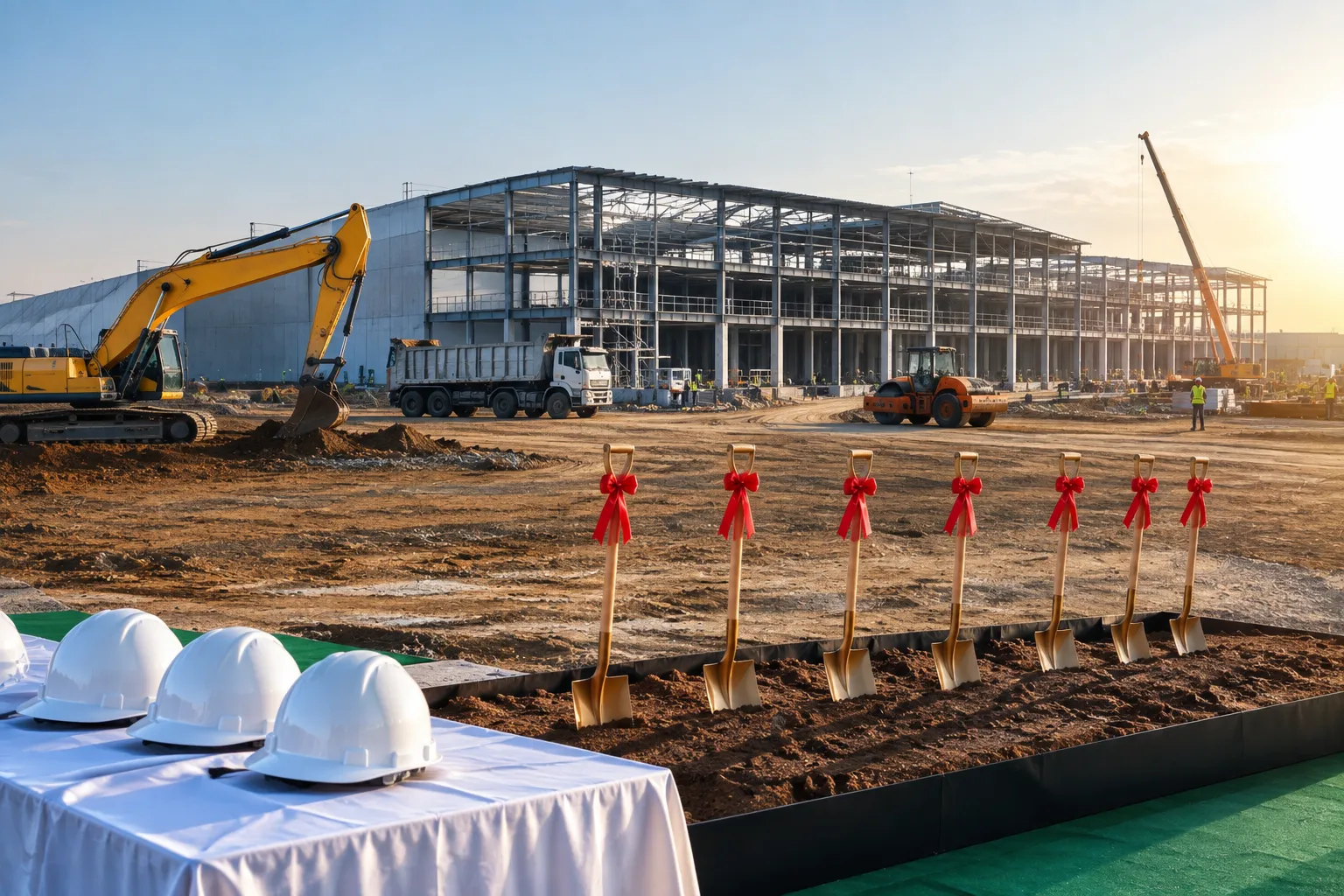
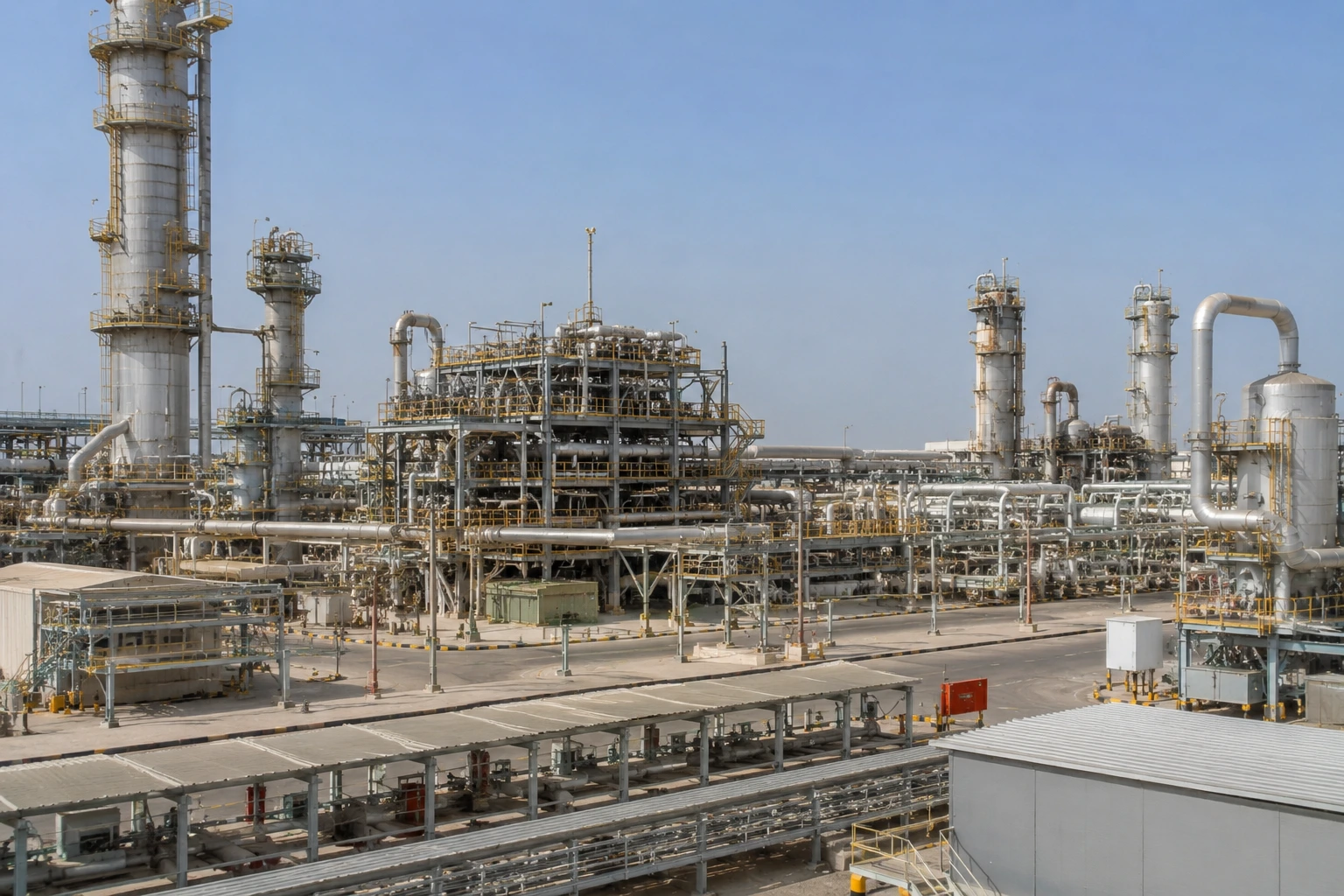
Under the investment framework, KRW 833.6 billion is designated for a 3-gigawatt engine facility in Ulsan. Scheduled to begin construction early next year and reach operational status by mid-2028, the complex will feature engine assembly, testing, block casting, and crankshaft machining operations. The dedicated facility will focus exclusively on land-based applications, allowing existing marine engine production lines to operate independently and expanding total corporate power engine output capacity to 7.2 gigawatts by 2030. An additional KRW 238.6 billion will establish a specialized small modular reactor equipment factory at its main shipyard, with completion expected in early 2029.
The rapid proliferation of data centers required for artificial intelligence workloads has created an unprecedented requirement for continuous, high-capacity electricity generation. By establishing dedicated production lines for small modular reactors and high-efficiency gas engines, the manufacturer aims to secure critical supply chain positioning. Nuclear modularity offers rapid deployment capabilities and low-carbon base-load capacity, directly addressing carbon compliance requirements for technology infrastructure developers.
This industrial transition aligns with broader market demand across North America and global technology hubs, where grid constraints are forcing data center operators to secure off-grid or dedicated power generation agreements. Expanding specialized engine and reactor production builds directly upon recent large-scale power equipment supply agreements in overseas markets, reinforcing the shift of heavy industrial manufacturing toward energy transitions and digital infrastructure support.