TURKEY —A multilateral financing institution has finalized a strategic lending agreement with Türkiye's primary export credit agency to inject USD 300 million into the regional economy. Announced during recent international climate dialogues in Antalya, the financial arrangement comprises two distinct capital streams designed to address both structural environmental transitions and immediate macroeconomic vulnerabilities. The financing is provided under AIIB’s Energy, Food Security and Economic Resilience Facility, which supports investments aimed at strengthening energy and food security while enhancing economic resilience.
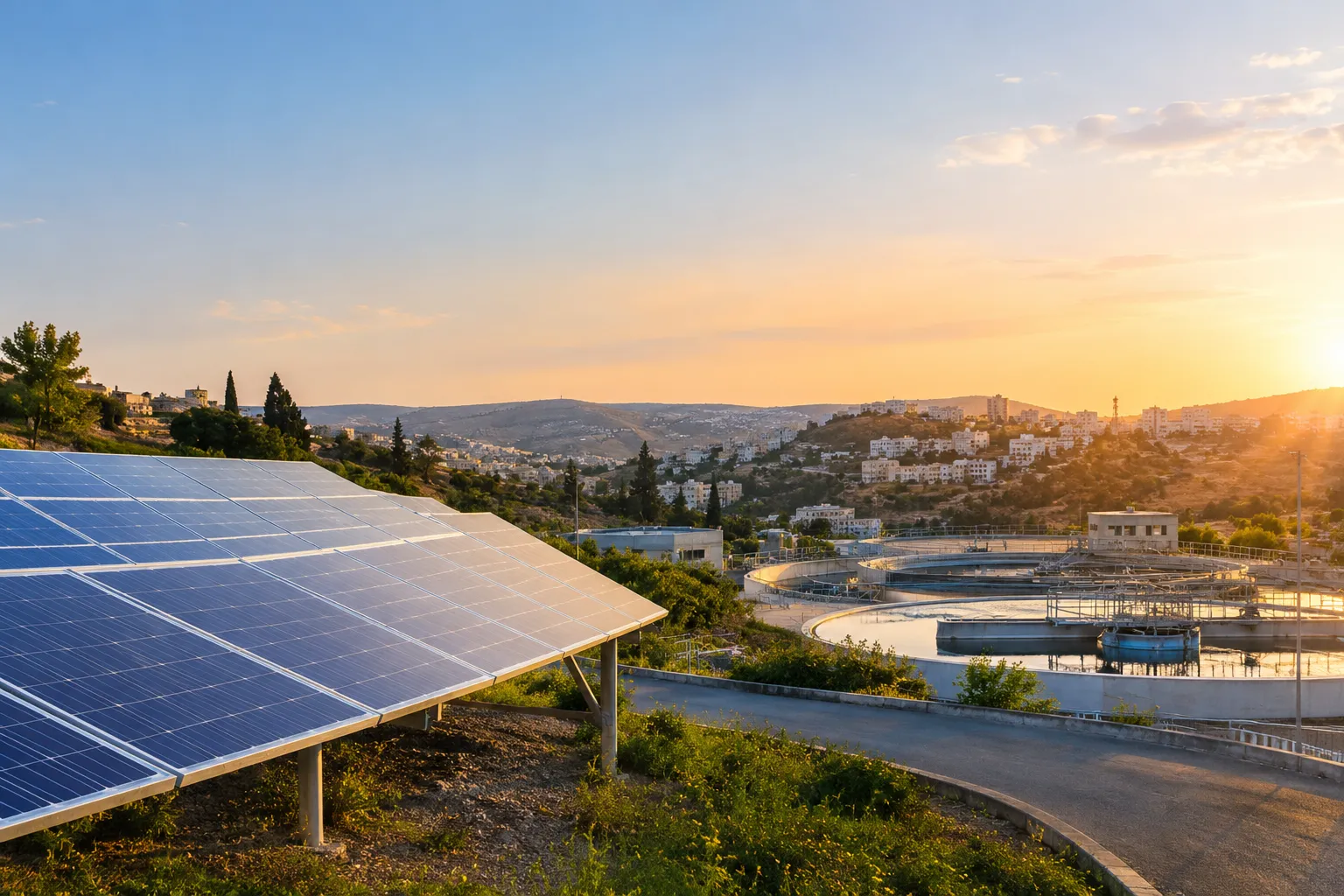
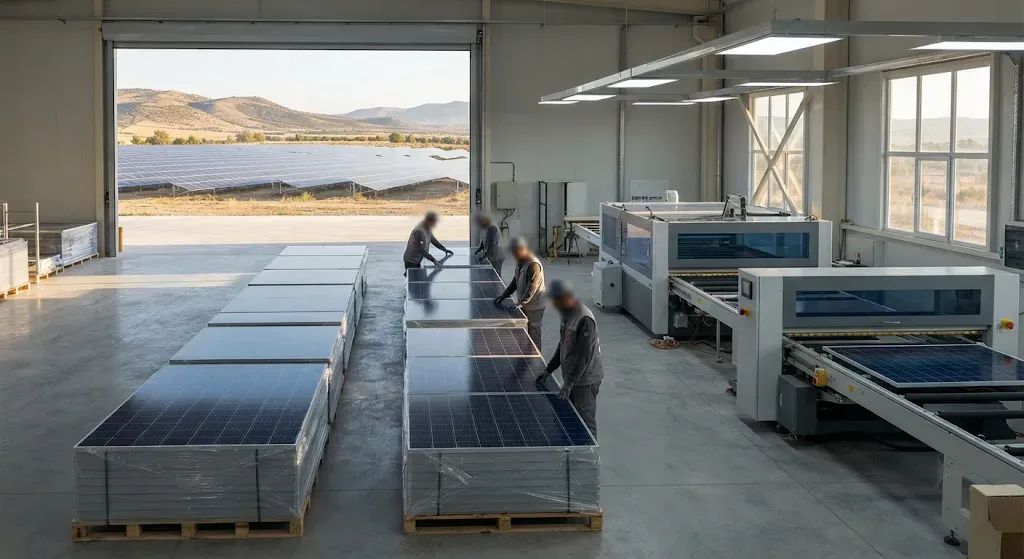
The capital allocation includes a USD100 million segment specifically dedicated to environmental transformation. This facility targets private sector operations engaged in renewable power generation, energy storage deployment, efficiency enhancements, and climate adaptation strategies. By funneling capital into these specific verticals, financial planners aim to accelerate compliance with evolving international carbon pricing frameworks, notably the European Union's carbon border adjustment regulations, while curtailing reliance on imported fossil fuels.
Concurrently, a separate USD200 million tranche establishes an economic stabilization mechanism. This portion provides liquidity relief to commercial enterprises, with a strong focus on small and medium-sized business continuity amid external market turbulence. Furthermore, a designated subset of this liquidity buffer is ring-fenced to assist commercial operators located within the eleven regional territories severely impacted by severe seismic events in 2023, supporting long-term regional recovery.
This bilateral arrangement underscores a concerted push toward integrating climate finance with macroeconomic risk mitigation across emerging export markets. For regional enterprises, access to specialized green credit and emergency liquidity represents a vital bridge as global supply chains face tightening environmental mandates and external financial pressures. Financial institutions and institutional investors view such targeted credit lines as essential instruments for maintaining operational stability while simultaneously advancing long-term decarbonization benchmarks in high-risk industrial zones.