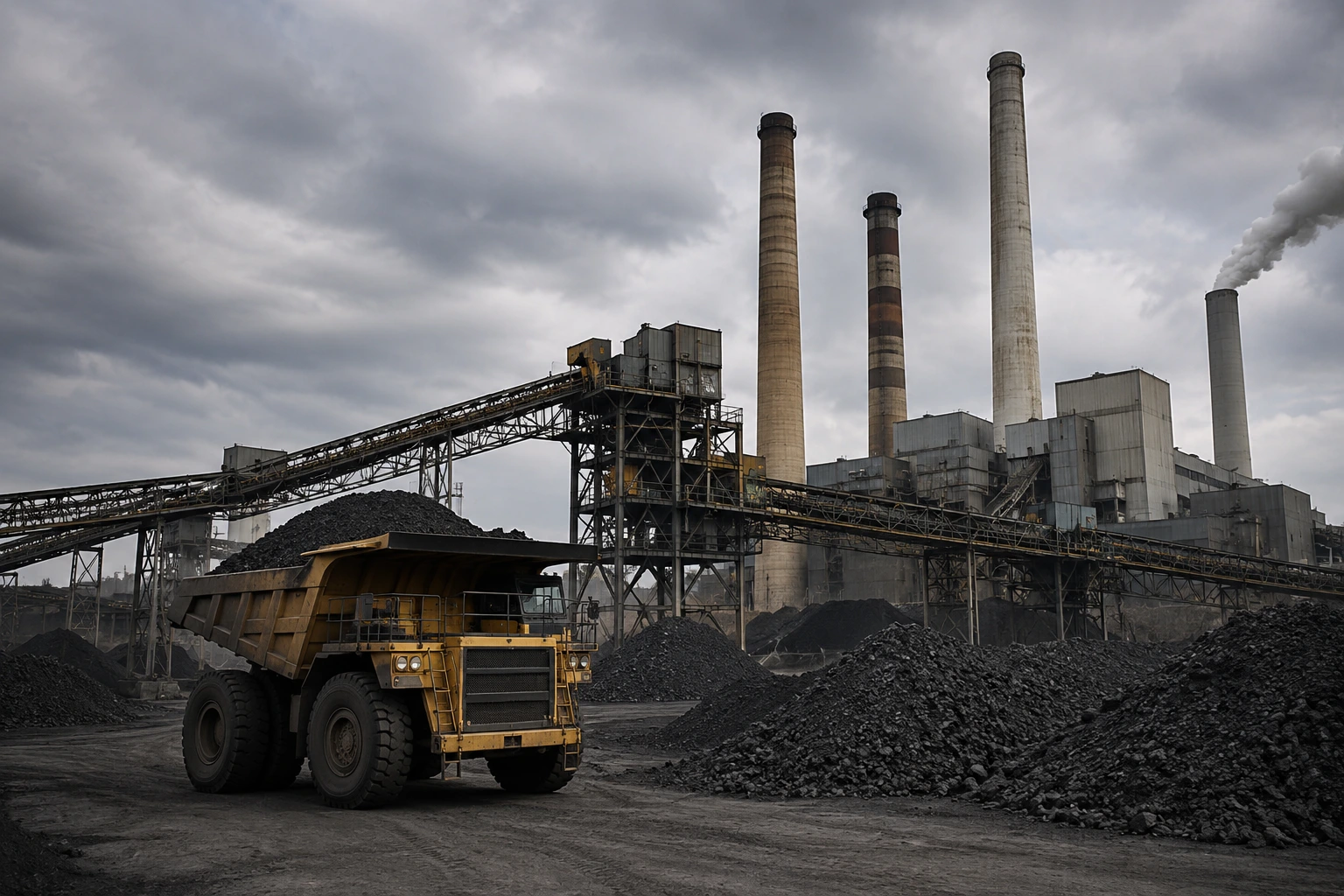
UNITED STATES OF AMERICA —The Alabama Department of Workforce’s Abandoned Mine Land Program (ADOW-AML) has secured USD 11 million in federal grant funding for the 2026 Abandoned Mine Land Economic Revitalization initiative. The funding will support the redevelopment of historical coal mining sites operated before 1977 into commercial, industrial, or recreational assets. Coordinating with the federal Office of Surface Mining Reclamation and Enforcement, the program aims to address legacy environmental liabilities while encouraging regional economic growth.
This development represents a strategic shift in managing post-industrial landscapes, converting dormant hazardous zones into productive community infrastructure. By targeting counties with documented mining histories, such as Jefferson, Tuscaloosa, Walker, Bibb, Fayette, Marion, and Shelby, the initiative directly addresses the socioeconomic fallout of historical resource extraction. The funding mechanism is designed to catalyze job creation, enhance public safety, and restore ecological balance in areas that have historically borne the brunt of industrial degradation.
The Alabama Department of Workforce is a state government agency responsible for overseeing labor market initiatives, workforce development, and specialized reclamation programs. Its Abandoned Mine Land division administers federal and state resources to mitigate environmental hazards and stimulate economic recovery in historically mined regions across the state.
From an industry perspective, this funding injection will primarily benefit the environmental remediation, engineering, and construction sectors. Local municipalities, economic development organizations, and nonprofit entities are eligible to submit project proposals, provided they demonstrate a clear linkage between site reclamation and measurable community benefits. This creates a structured pipeline for public procurement opportunities, as successful applicants will likely engage private contractors to execute the physical redevelopment and restoration work.
For businesses and investors, the February 2027 application deadline establishes a near-term window for strategic positioning. Engineering firms, environmental consultants, and regional construction companies should anticipate increased demand for specialized services related to land assessment, hazard mitigation, and sustainable redevelopment. Stakeholders aiming to capitalize on this trend must align their service offerings with the stringent federal guidelines governing the use of these appropriations, ensuring that proposed interventions deliver both ecological restoration and tangible economic returns.