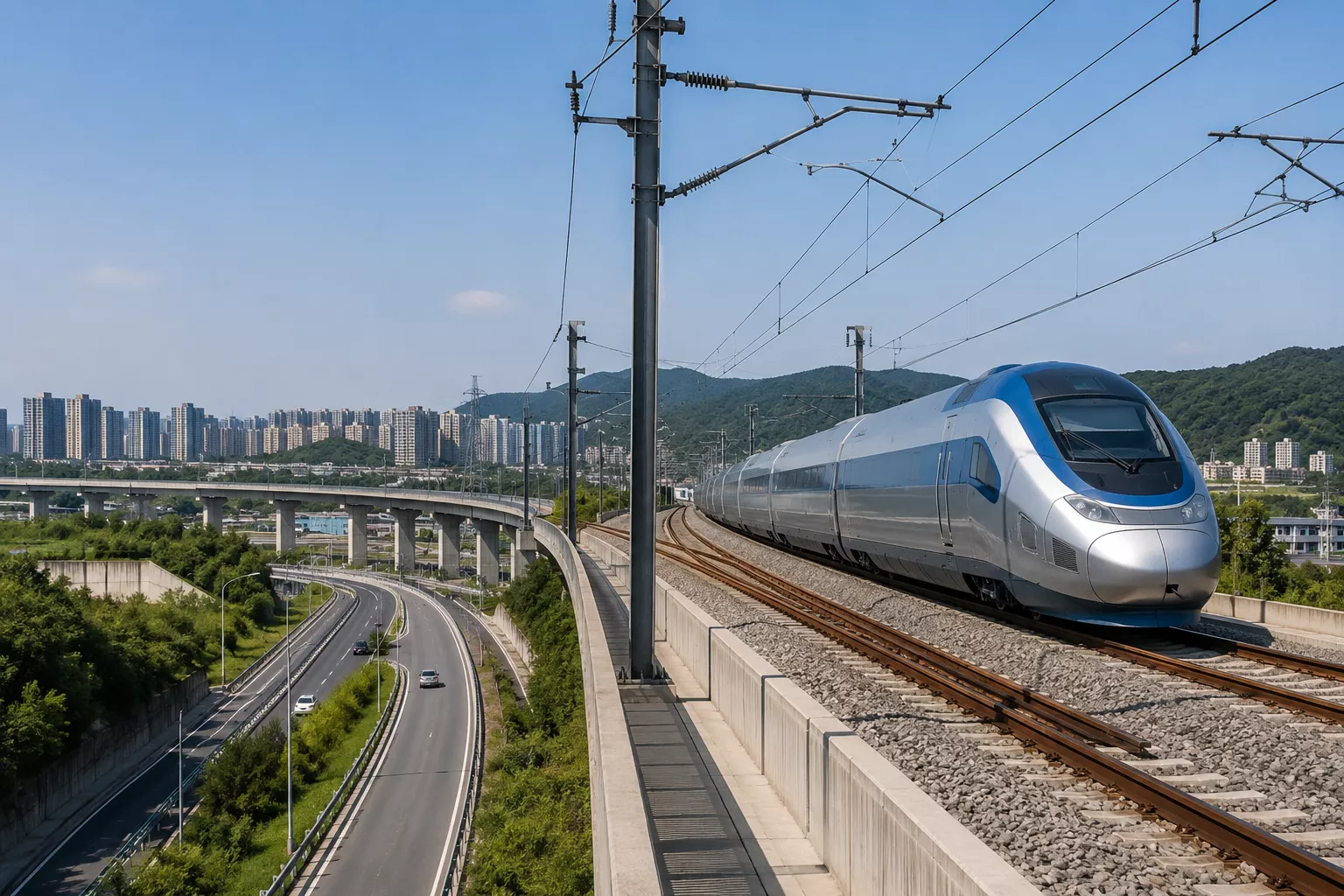
CANADA —Alstom has finalized a comprehensive agreement valued at CAD 4.7 billion with VIA Rail Canada to deliver and sustain a modernized long-distance, regional, and remote passenger rail fleet. The contract encompasses the production of 313 Adessia railway cars, representing a CAD 4 billion capital investment, alongside a 15-year technical support and spare parts supply arrangement valued at CAD 700 million.
This procurement initiative directly addresses the critical need to replace aging transit assets, some of which have remained in continuous service for over seven decades. The newly engineered rolling stock will feature nine distinct configurations, including sleeper, dining, and universally accessible cars. These units are specifically designed to endure extreme northern climatic conditions while integrating advanced cybersecurity protocols and enhanced digital connectivity for passengers traversing nearly 400 communities.
From a policy and industrial standpoint, the agreement functions as a strategic catalyst for domestic manufacturing resilience and supply chain sovereignty. All design and engineering operations will be centralized in St-Bruno-de-Montarville, Québec, with carbody fabrication in La Pocatière, Québec, and final assembly conducted in Thunder Bay, Ontario. This localized production model is projected to contribute over CAD 1.6 billion to the national gross domestic product while creating approximately 670 direct positions and stimulating extensive indirect employment throughout the regional supplier network.
For stakeholders and institutional investors, this development underscores the accelerating prioritization of sustainable, high-capacity public transit infrastructure across North America. Alstom is a multinational transportation manufacturing corporation specializing in rail transport solutions, maintaining a significant operational footprint across North American transit networks. Recognized as the sole passenger train manufacturer currently operating within Canada and employing over 5,000 domestic workers, the entity solidifies its competitive market position by leveraging an established network of more than 900 local vendors. Furthermore, the inclusion of a multi-decade service component ensures predictable, recurring revenue streams, reinforcing long-term operational stability for the broader mobility sector amid macroeconomic fluctuations.