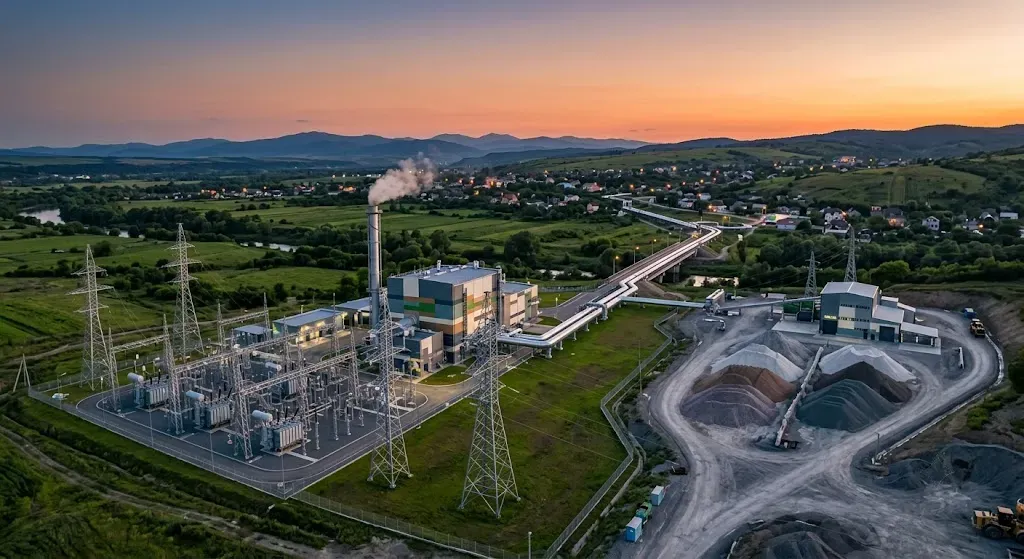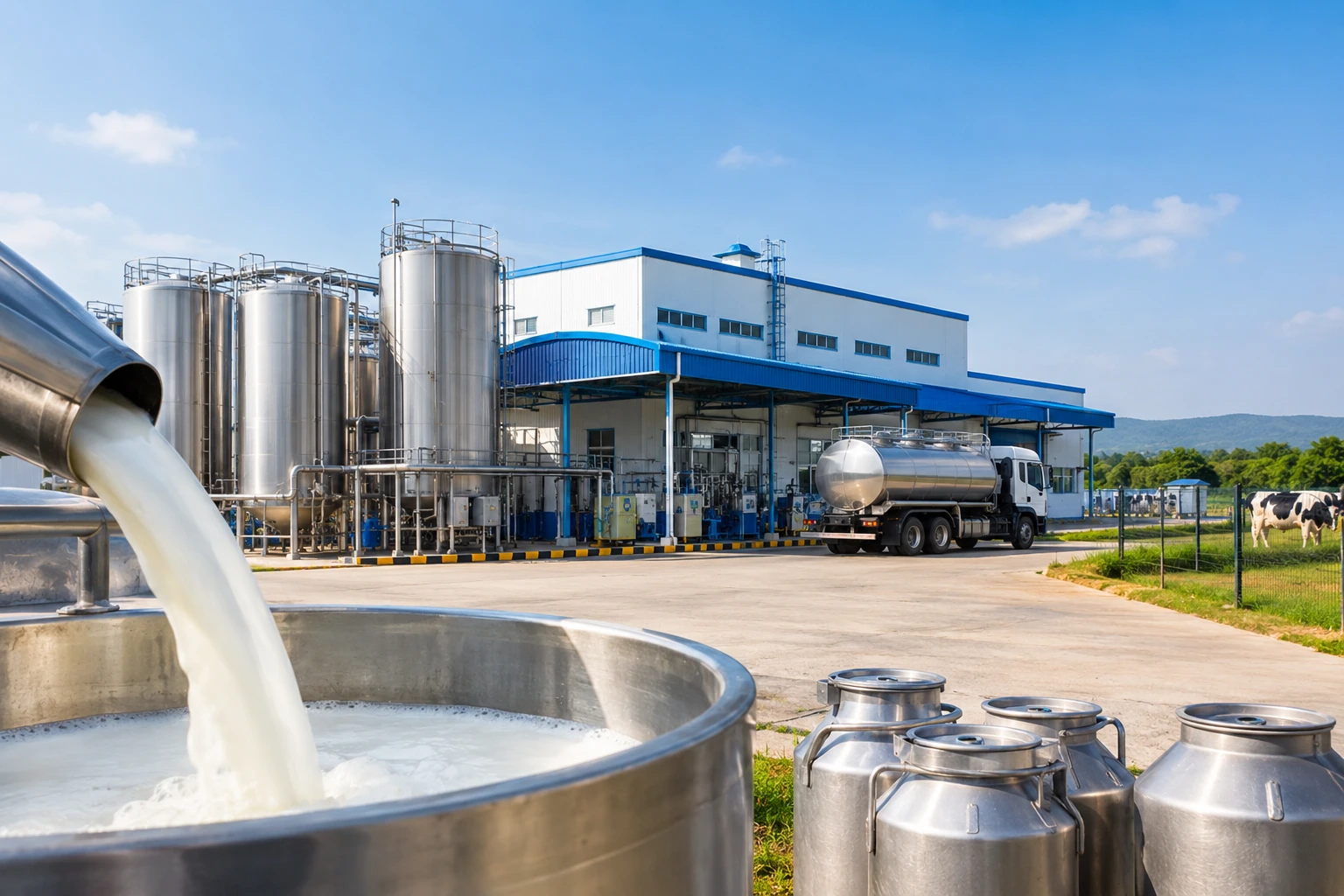
INDIA —A large-scale dairy processing facility is set to be established at the Urjee Industrial Park in Toopran, Medak district, marking a significant infrastructure expansion in Telangana's agricultural sector. Operative under Sabar Dairy, a key constituent of the Gujarat Co-operative Milk Marketing Federation which markets products under the Amul brand, the new plant is designed to handle a daily milk processing volume of 0.5 million liters. The industrial setup includes capacity for daily production of 200 metric tons of curd, 30 kiloliters each of buttermilk and lassi, 10 metric tons of paneer, 50 kiloliters of ice cream, alongside dedicated units for ghee, bakery items, and fresh confectionery.
Sabar Dairy, formally known as Sabarkantha District Cooperative Milk Producers' Union Limited, is one of the largest cooperative dairy organizations in India, functioning as a primary manufacturing member of the Gujarat Co-operative Milk Marketing Federation. The entity focuses on milk procurement, processing, and distribution, strengthening rural cooperative networks and driving commercial dairy production across regional markets.
This facility development aligns with White Revolution 2.0, a central government framework introduced in September 2024 to modernize the national cooperative dairy structure. The policy aims to scale nationwide milk procurement through organized cooperatives by 50 percent by the 2028–2029 fiscal period while establishing 75,000 new dairy cooperative societies across India, including 1,525 targeted specifically within Telangana. The expansion addresses increasing consumer demand for processed dairy and packaged food goods throughout southern India.
The establishment of local processing infrastructure enhances supply chain efficiency by reducing transit times and post-harvest losses for perishable goods. For livestock farmers and agricultural cooperatives, the plant guarantees a structured market outlet, encouraging systematic milk collection and improved value creation. Investors and industry stakeholders in cold-chain logistics, food manufacturing, and packaging equipment are positioned to gain from increased regional operational demand as production capacities expand.