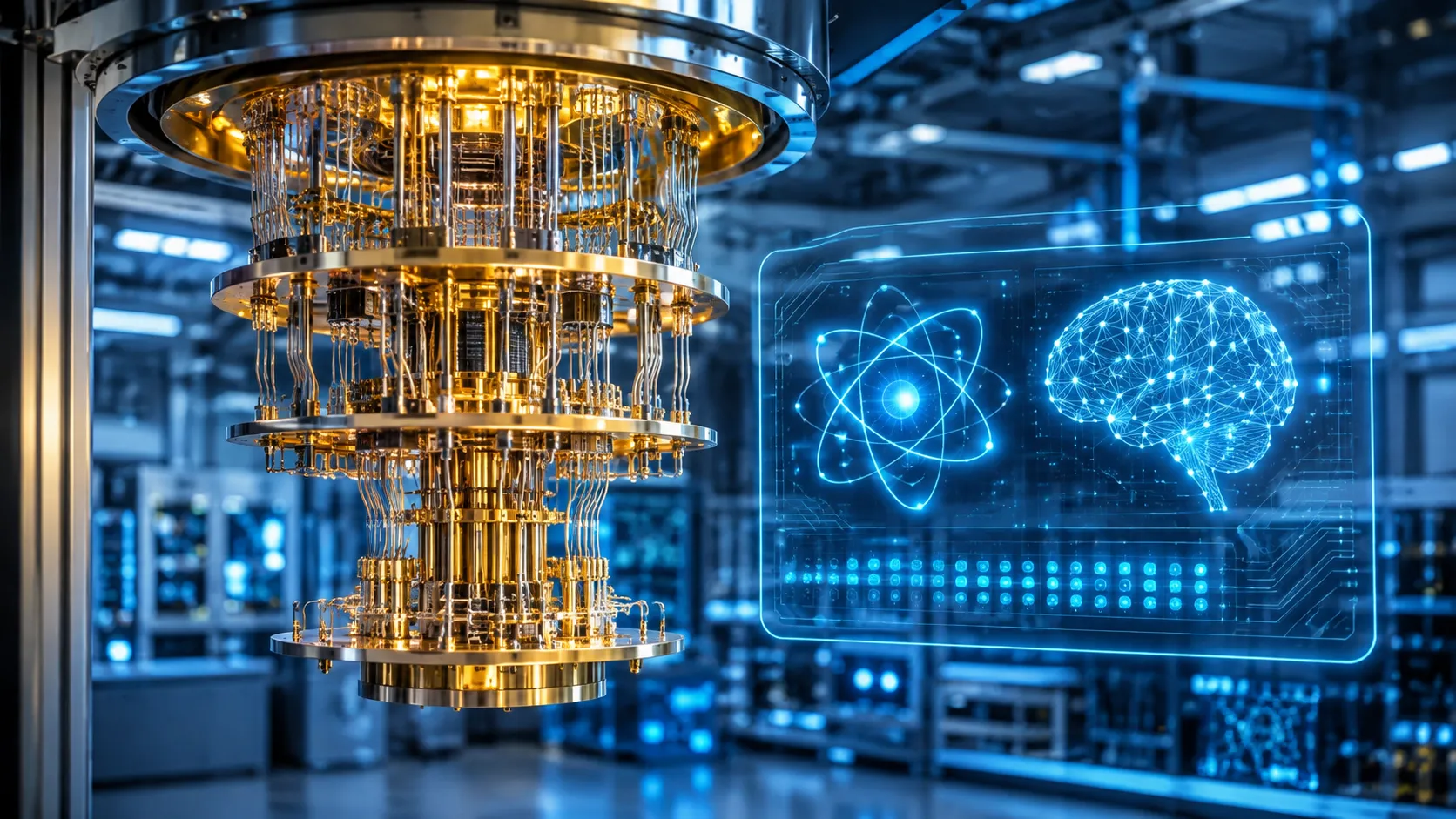
UNITED STATES OF AMERICA —A consortium led by Apollo and Goldman Sachs has successfully priced approximately $44 billion in senior and subordinated notes to finance the acquisition of advanced graphics processing units and related hardware for SpaceX. The oversubscribed transaction will facilitate the deployment of next-generation NVIDIA Vera Rubin chips to support the company’s terrestrial computing infrastructure, with lease operations anticipated to begin in the first half of 2027.
This development highlights the massive capital expenditure required to sustain competitive advantages in artificial intelligence and high-performance computing. By structuring the deal through asset-backed debt rather than equity dilution, the involved parties demonstrate a maturing financial market for technology hardware. The participation of anchor investors, including BlackRock, Goldman Sachs Asset Management, and KKR, signals strong institutional confidence in the long-term revenue potential of dedicated AI compute assets.
The technology and financial services sectors are the primary stakeholders impacted by this milestone. For the technology industry, it establishes a new benchmark for hardware financing, potentially encouraging other hyperscalers and aerospace firms to pursue similar debt instruments for capital-intensive compute buildouts. In the financial sector, it validates alternative asset managers' capabilities to underwrite and syndicate highly specialized, large-scale technology leases with downside protection.
Strategically, this financing model offers businesses and investors a blueprint for funding exponential technological growth without compromising corporate balance sheets. Apollo operates as a global alternative asset manager with over $1 trillion in assets under management, specializing in flexible capital solutions. Goldman Sachs is a leading global investment banking and securities firm. SpaceX is a prominent aerospace manufacturer and space transportation company increasingly expanding its terrestrial artificial intelligence capabilities. The successful execution of this transaction suggests that institutional capital will continue to flow aggressively into foundational AI infrastructure, driving further consolidation and innovation in the semiconductor supply chain.