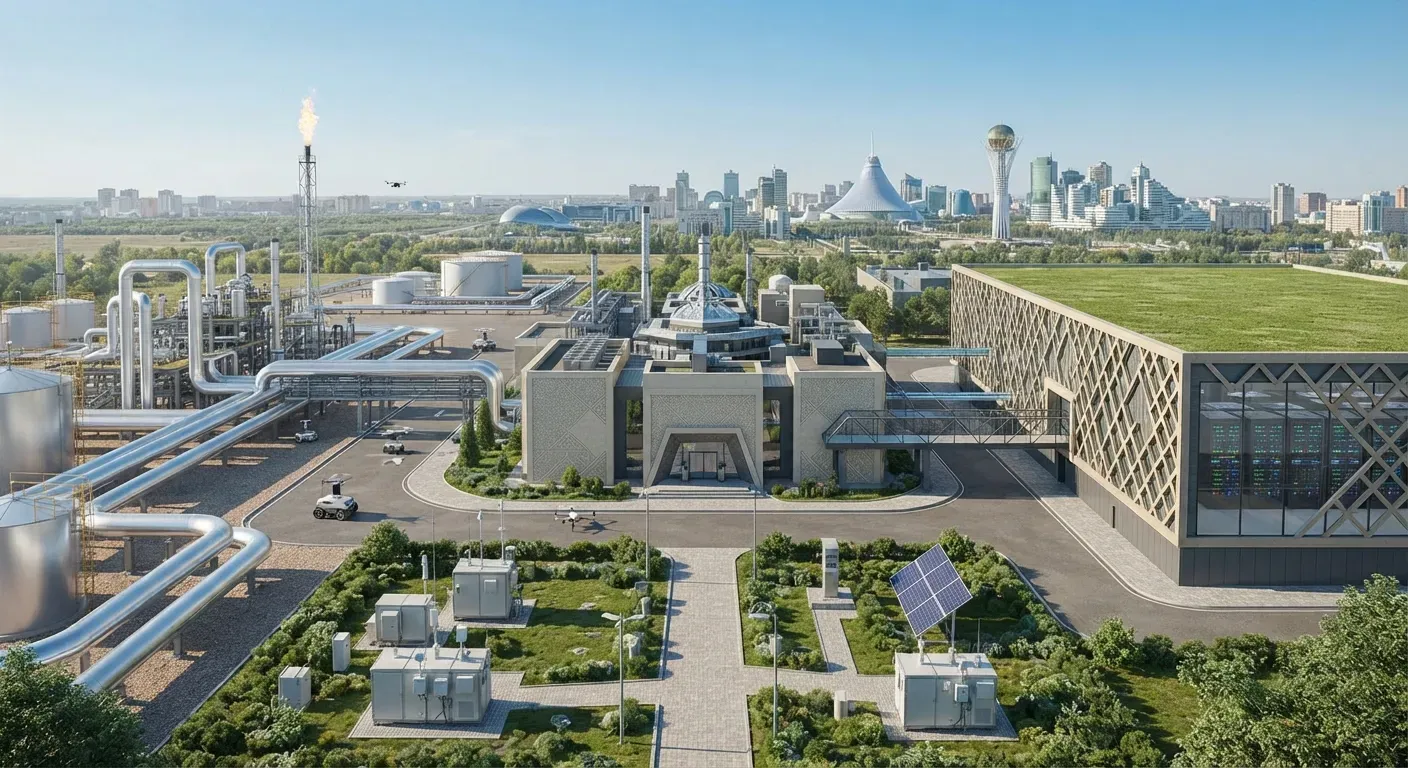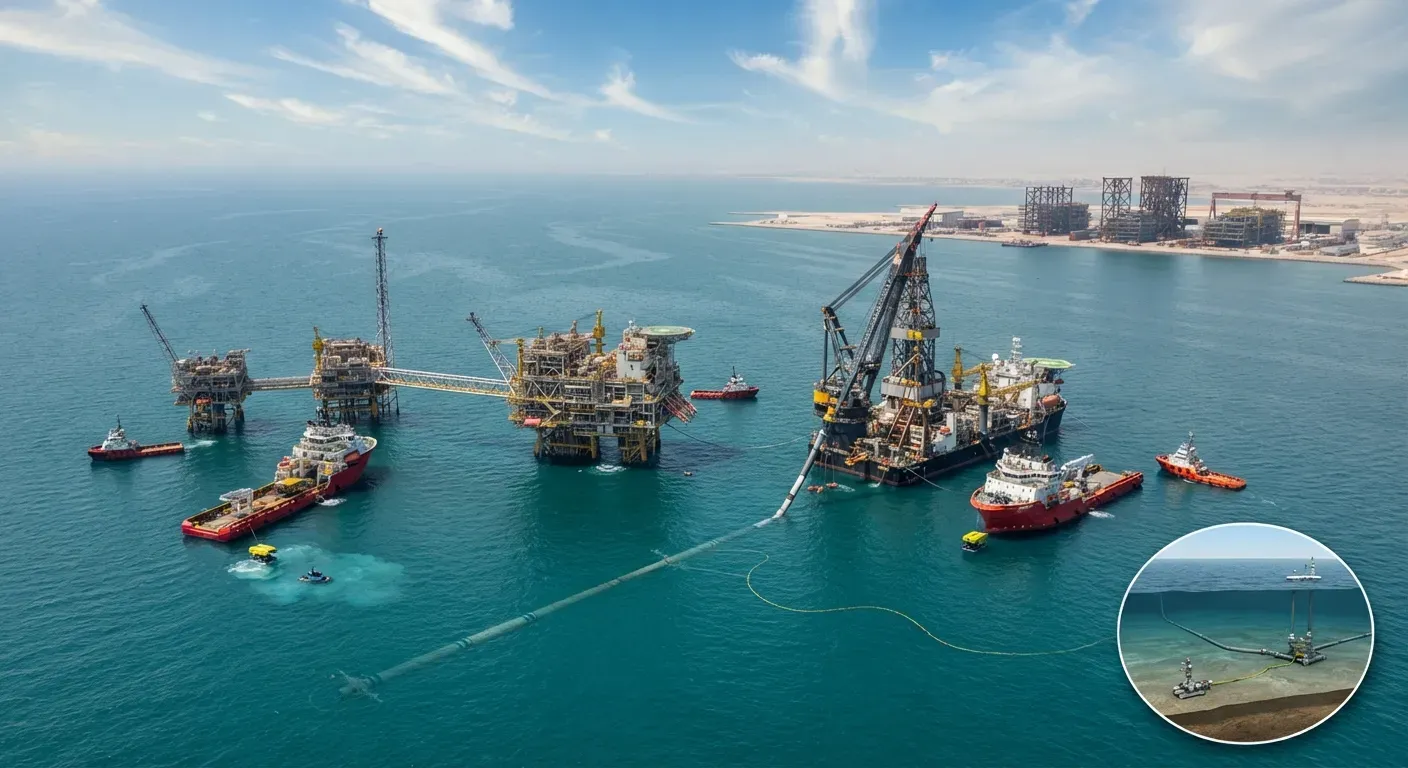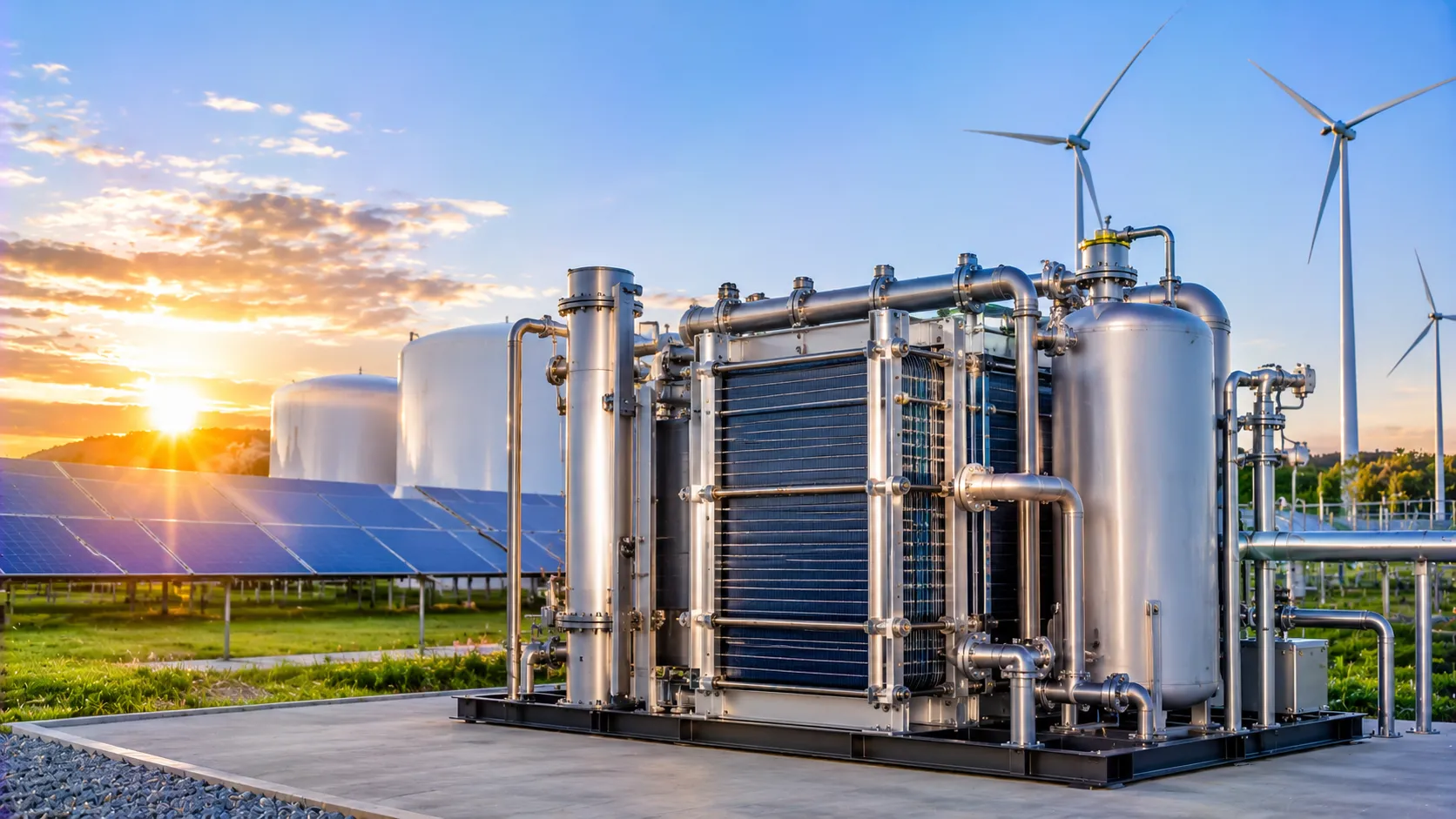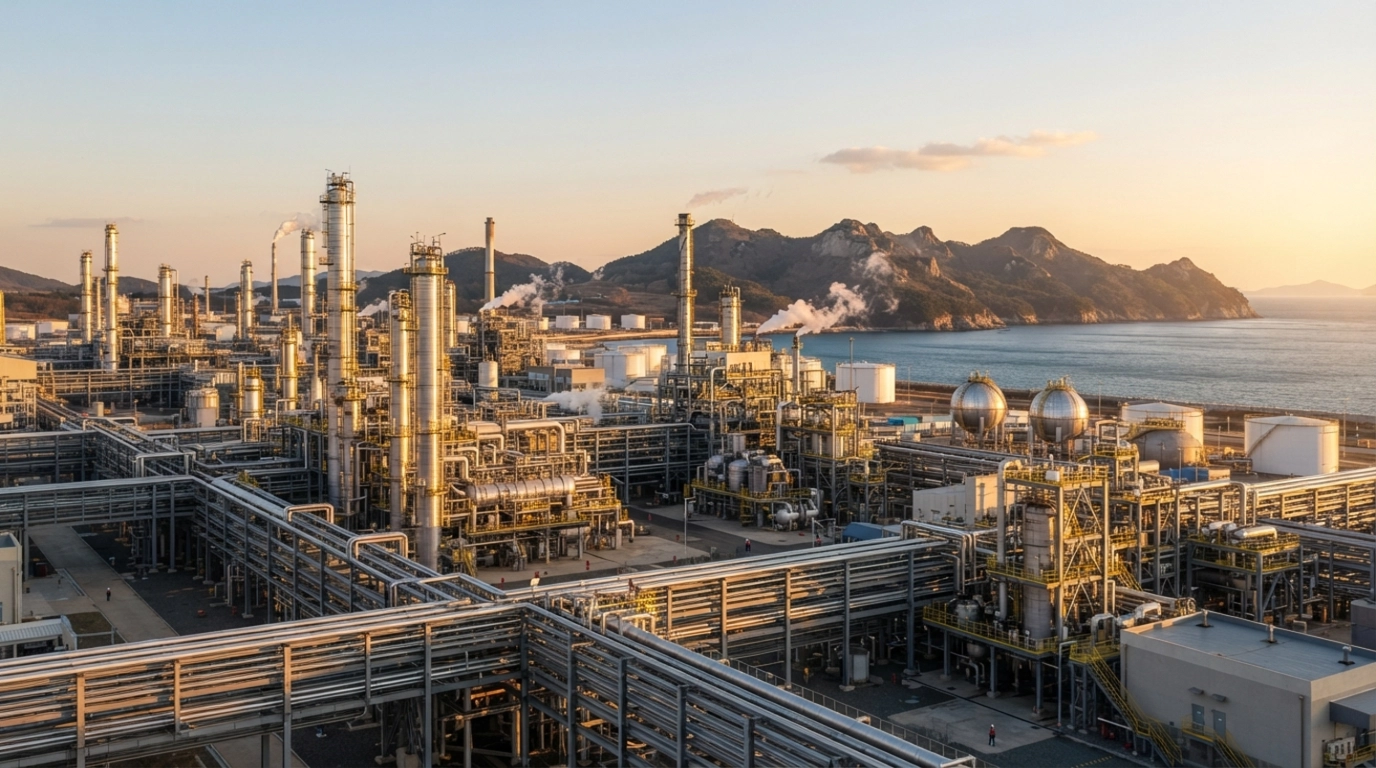
KOREA (SOUTH); SAUDI ARABIA —Aramco and its South Korean subsidiary S-OIL held an inauguration ceremony in Seoul to mark the Shaheen Project, a $7 billion downstream investment that represents Aramco's largest capital commitment in South Korea. Scheduled to enter commercial operations in 2027 after commissioning is finished, the complex pairs refining assets with crude-to-chemicals conversion units, a large steam cracker, a propylene fractionator, and polymer manufacturing facilities integrated into S-OIL's existing Ulsan operations.
Aramco is a global integrated energy and chemicals enterprise headquartered in Saudi Arabia that holds a majority stake exceeding 63 percent in S-OIL through Aramco Downstream Asia Pte. Ltd., while S-OIL is a South Korean refiner and petrochemical producer marking its fiftieth year of operations. The inauguration coincides with three and a half decades of cooperation between the two companies since Aramco first invested in S-OIL in 1991, and features the first large-scale commercial deployment of thermal crude-to-chemicals technology developed with Lummus Technology.
For downstream energy and chemical markets, the project illustrates how integrated producers are shifting barrel yields away from conventional fuels toward higher-value chemical intermediates amid shifting global demand patterns. By lifting petrochemicals from 12 percent to 25 percent of S-OIL's business mix and adding around 3.2 million tons of annual output, the expansion aims to lower energy intensity and operating costs per ton while supplying materials used across automotive, electric vehicle, and electronics value chains.
Within South Korea, connecting the new Ulsan units via dedicated pipelines to neighboring chemical operators is intended to strengthen domestic feedstock availability and reduce reliance on imported intermediates and external logistics. Across Asia, the project affects competing petrochemical exporters, domestic downstream fabricators, and industrial policy planners focused on supply chain resilience and manufacturing competitiveness.
For corporate strategists and institutional investors, Shaheen demonstrates sustained foreign direct investment in South Korean heavy industry despite macroeconomic headwinds and geopolitical uncertainty. Observers will track commissioning execution through 2027, feedstock flexibility under thermal crude-to-chemicals processing, and margin realization as new chemical supply enters regional markets.