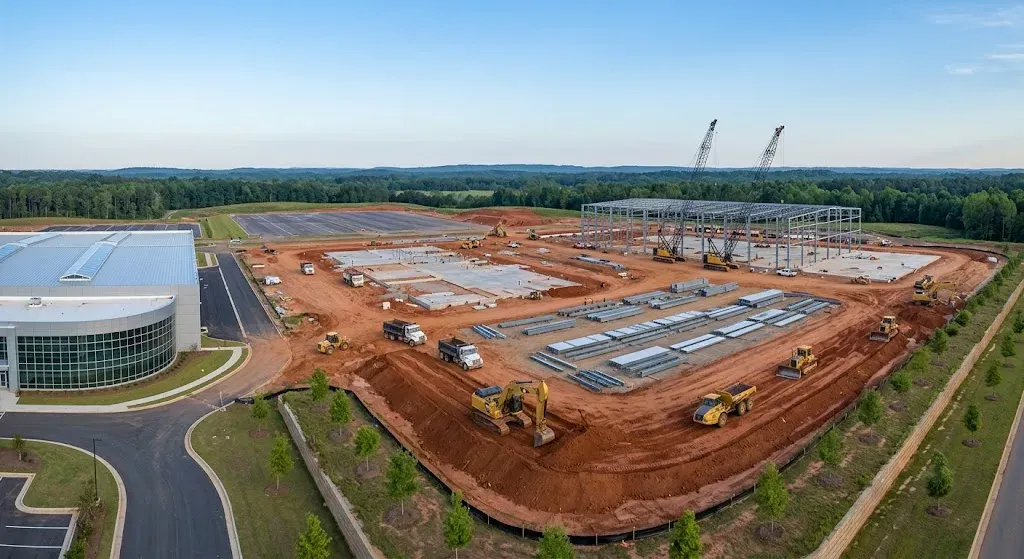
UNITED STATES OF AMERICA —AUDI AG has finalized plans to construct a major manufacturing facility in Perry, Georgia, representing its initial production footprint within the United States. The initiative involves an estimated capital expenditure of $4 billion and is projected to establish roughly 4,500 direct employment opportunities across the region. Facility construction is slated to commence in 2027, with vehicle assembly scheduled to launch in the early 2030s. The site is engineered to attain an annual output volume of up to 200,000 premium vehicles tailored specifically for North American consumers.
Establishing domestic manufacturing infrastructure serves as a critical strategic lever for multinational automotive enterprises seeking to mitigate foreign exchange volatility and geopolitical tariff exposure. By localizing assembly operations within the United States, foreign original equipment manufacturers can streamline supply chain logistics, reduce transit overhead, and optimize regulatory compliance. This operational shift provides insulation against cross-border trade friction while ensuring closer proximity to end-user demand centers in one of the world's most lucrative consumer segments.
The development introduces substantial economic stimulus across the Southeastern United States, directly impacting regional industrial suppliers, logistics providers, and workforce development institutions. The Middle Georgia Mega Site was selected to host the industrial campus due to its robust intermodal transportation network, available acreage for future scaling, and established manufacturing talent pool. Regional component manufacturers and engineering service providers are anticipated to capture significant contract value as the supply ecosystem matures ahead of the production launch.
For institutional investors and market competitors, the multi-billion-dollar commitment signals a structural recalibration of global manufacturing footprints among European luxury automakers. By diversifying production away from centralized European hubs, the firm enhances its operational resilience and positions itself to capture expanding market share in the premium light-truck and utility vehicle segments. Market analysts view the localized manufacturing model as an essential prerequisite for sustaining long-term profit margins amidst evolving trade policies and shifting macroeconomic conditions.