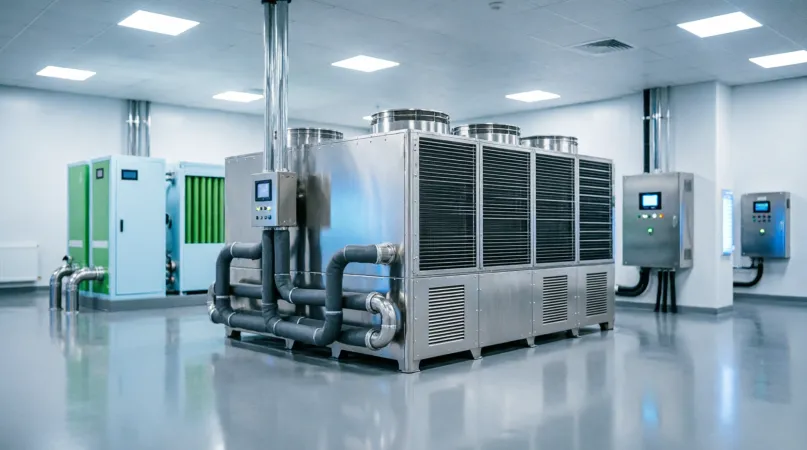
INDIA —Singapore-based energy-as-a-service infrastructure provider August Energy has partnered with India-based energy management firm Energeia to deploy US$ 100 million into decarbonization and energy-efficiency assets across India. The joint platform is structured to capitalize, execute, and operate sustainable utility solutions, with primary emphasis on cooling-as-a-service infrastructure for enterprise, commercial, and industrial facilities. Headquartered in Singapore, August Energy develops energy-as-a-service platforms across emerging Asia, bringing capital structuring and commercial architecture expertise to infrastructure investments. Energeia, based in India, specializes in corporate energy audits, engineering execution, and local market deployment of industrial energy management technologies.
The financial framework shifts high-volume equipment procurement and engineering integration from traditional capital expenditure to an outcome-linked operating expenditure model. Commercial and industrial facilities can implement energy efficiency overhauls—spanning central cooling systems, industrial heating, process steam, compressed air, motor-driven equipment, and microgrid solar and storage integration—without balance-sheet strain. Returns for the joint capital vehicle are tied to verified energy savings and operational performance metrics over long-term service agreements.
This initiative directly supports India’s broader climate commitments and industrial decarbonization mandate. Industrial and commercial buildings account for a major share of national electricity consumption, with cooling and thermal processes forming the highest proportion of base load demand. By replacing inefficient equipment with high-efficiency assets, the partnership relieves pressure on national power grids, reduces industrial carbon intensity, and advances the commercial adoption of distributed energy resources across primary manufacturing hubs.
For enterprise energy consumers and institutional investors, the model establishes performance-linked service contracts as a scalable asset class for infrastructure finance. Replacing capital-heavy equipment purchases with recurring operational fee structures lowers market adoption hurdles for advanced clean technologies. Consequently, equipment vendors gain an expedited deployment pathway for high-efficiency products, while commercial facilities lower lifecycle operating expenses and mitigate rising energy price volatility.