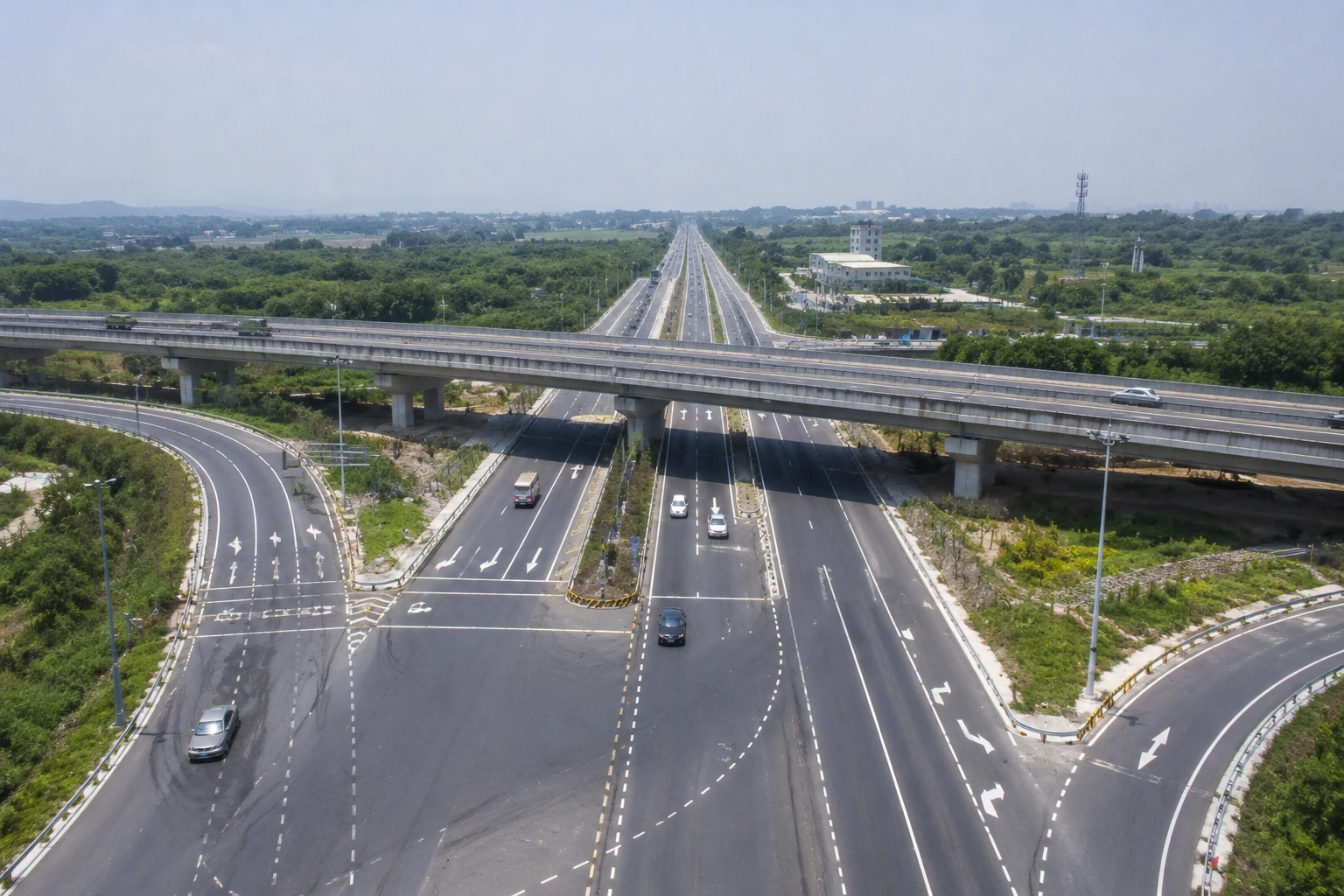
AUSTRALIA —Commercial contractors have secured government deals worth nearly AU$3 billion to execute targeted road expansions in Western Sydney, addressing critical supply chain infrastructure ahead of the opening of Western Sydney International Airport. Jointly financed by federal and state authorities, construction across five key vehicular corridors is scheduled to commence before the end of the year to relieve severe network congestion in Australia's fastest-growing industrial region.
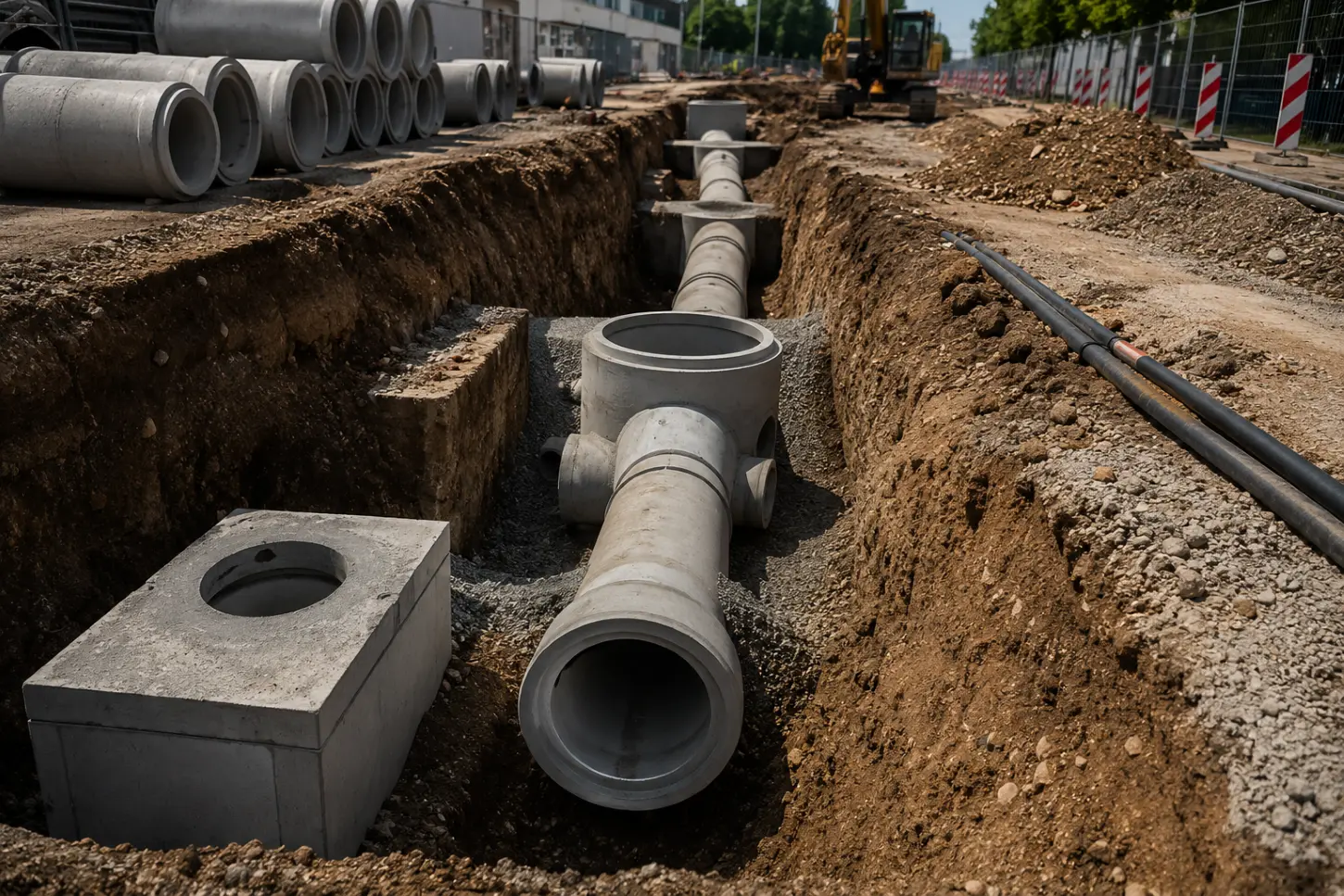
Under the contractual terms, a joint venture between Gamuda and BMD has been awarded two AU$1 billion contracts to widen Mamre Road between Erskine Park Road and Kerrs Road, and expand Elizabeth Drive from Devonshire Road to Badgerys Creek Road. Concurrently, Fulton Hogan will execute a AU$440 million expansion of Garfield Road East between Riverstone and Box Hill. BMD Constructions will construct a dual carriageway along Henry Lawson Drive for AU$247 million, while Ward Civil & Environmental Engineering will deliver a AU$190 million upgrade to The Horsley Drive.
Transport for NSW is the state government body responsible for overseeing land, rail, and maritime transport infrastructure planning, delivery, and traffic management across New South Wales. The agency manages multi-billion-dollar capital works programs in partnership with private engineering and construction consortia.
The procurement package represents a significant operational shift toward integrating civil infrastructure with regional economic planning. Western Sydney serves as a national logistics and employment hub, but high population growth and expanding commercial hubs have strained existing arterial routes. Upgrading primary corridors into dual-carriageway capacity directly mitigates supply chain friction, enhances freight efficiency, and reduces commuter transit delays.
For industrial operators, property developers, and logistics providers, these capacity upgrades lower operational transportation costs and open up land access around the Aerotropolis precinct. Engineering, procurement, and construction businesses stand to gain from sustained pipeline demand, while long-term institutional investors benefit from boosted regional land values and improved commercial connectivity.