BANGLADESH —The International Fund for Agricultural Development (IFAD) is a specialized United Nations agency focused on eradicating poverty and hunger in rural areas of developing nations through targeted investments. In collaboration with national authorities, the institution has rolled out two distinct financing packages valued at a combined US$324 million to support approximately 2.5 million rural residents in vulnerable ecosystems across Bangladesh.
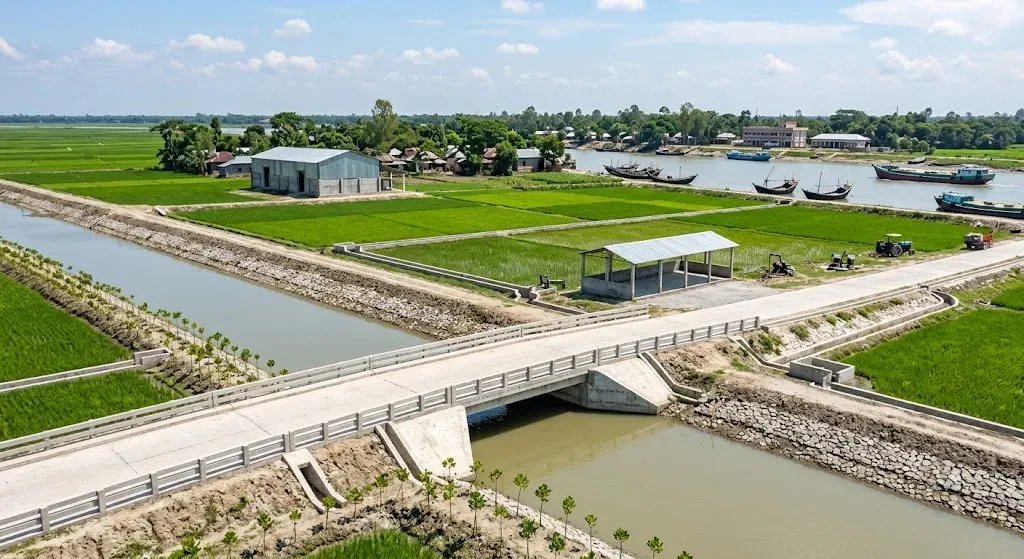
The strategy centers on addressing persistent infrastructural and economic vulnerabilities through two key programs. The US$112 million Climate Resilience and Livelihood Enhancement Project, backed by co-financing from Denmark, targets flood-prone and drought-affected zones by upgrading transport links, markets, and early-warning systems. Meanwhile, the US$212 million Growth for Climate Resilient and Environmental Entrepreneurship and Nutrition project focuses on fostering sustainable agri-food supply chains, expanding green financial services, and strengthening institutional capabilities for small-scale agricultural producers.
These synchronized interventions address critical bottlenecks in developing economies by fusing climate adaptation measures directly with economic expansion and livelihood protection. By targeting regions susceptible to extreme weather variability, the deployment of robust physical assets and inclusive credit facilities aims to safeguard local productivity, minimize post-harvest agricultural losses, and stabilize regional supply networks against escalating climate pressures.
For institutional lenders, agricultural enterprises, and regional stakeholders, these developments signal expanded opportunities in climate-smart infrastructure, rural financial technologies, and sustainable supply chain management. Investors monitoring frontier markets can anticipate increased public-private collaboration, heightened demand for eco-friendly agricultural inputs, and expanded regional market integration driven by targeted multilateral development financing.