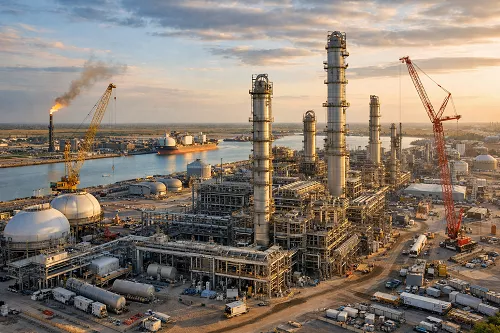
BANGLADESH —Sovereign energy infrastructure in South Asia is undergoing major modernization as Bangladesh partners with multilateral development financiers to expand its domestic refining capacity. The Government of Bangladesh and the Islamic Development Bank (IsDB) have formalized a $1 billion financing agreement dedicated to the Modernization and Expansion of the Eastern Refinery Project (ERL-2). The signing ceremony in Dhaka was executed by senior representatives of the Ministry of Finance's Economic Relations Division and the IsDB Country Operations directorate.
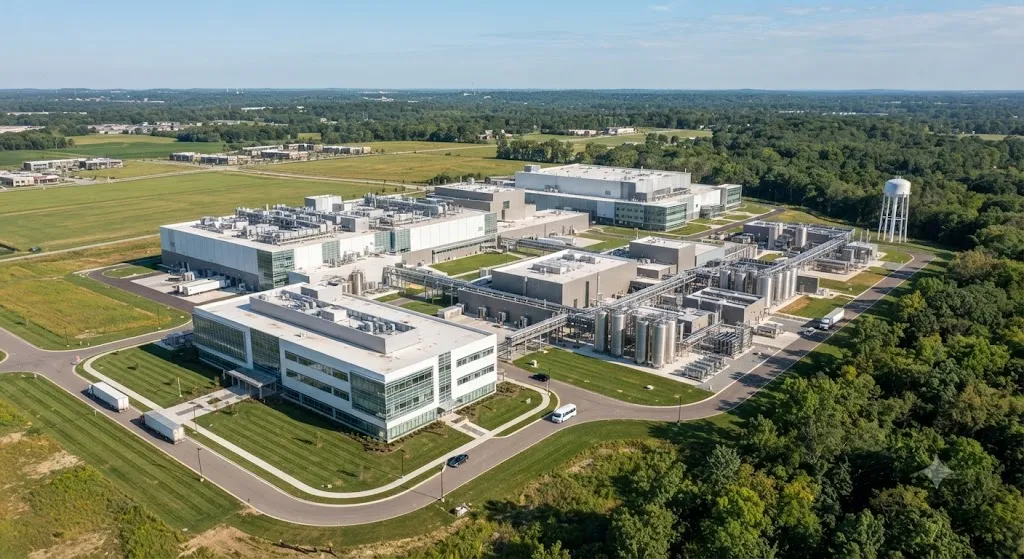
The Islamic Development Bank is a multilateral development financial institution focused on promoting economic and social development across its 57 member countries. The overall development carries a total capital expenditure of approximately $2.5 billion, comprising $1 billion in IsDB financing alongside $1.5 billion committed by the Government of Bangladesh to cover domestic contributions, customs duties, and taxes. Approved during the 367th meeting of the IsDB Board of Executive Directors in Baku, the project will be executed over a five-year timeline, adding three million metric tons of annual refining capability to scale the plant's total capacity from 1.5 million to 4.5 million metric tons per annum.
The expansion directly resolves critical structural bottlenecks in Bangladesh’s national fuel supply chain. By tripling domestic processing capabilities, the upgraded refinery allows the state to process a broader variety of crude grades and produce 15 refined petroleum product types locally.
Substituting finished refined petroleum imports with domestic processing is projected to save approximately $394 million in foreign exchange annually while delivering an estimated 5% reduction in the retail cost of major petroleum products. Furthermore, the upgraded configuration upgrades fuel output to Euro 5 emission specifications, phasing out legacy Euro 2 standards to align with cleaner environmental targets.
From an industrial and economic policy perspective, securing long-term multilateral debt underpins sovereign energy resilience during periods of volatile global commodity markets. Directing substantial sovereign and concessional liquidity toward core downstream processing reduces national import dependency, limits balance-of-payments exposure, and creates a stable downstream distribution foundation for key industrial sectors, agricultural operations, and transport logistics networks.
For international EPC contractors, technology licensors, and industrial engineering vendors, the capital commitment accelerates major procurement activities across heavy distillation units, hydrotreating facilities, and storage terminals. Successfully modernizing state-owned refining assets sets a precedent for blended sovereign-multilateral industrial financing in emerging markets, driving commercial demand for engineering consulting, process equipment manufacturing, and industrial automation services over the multi-year construction schedule.