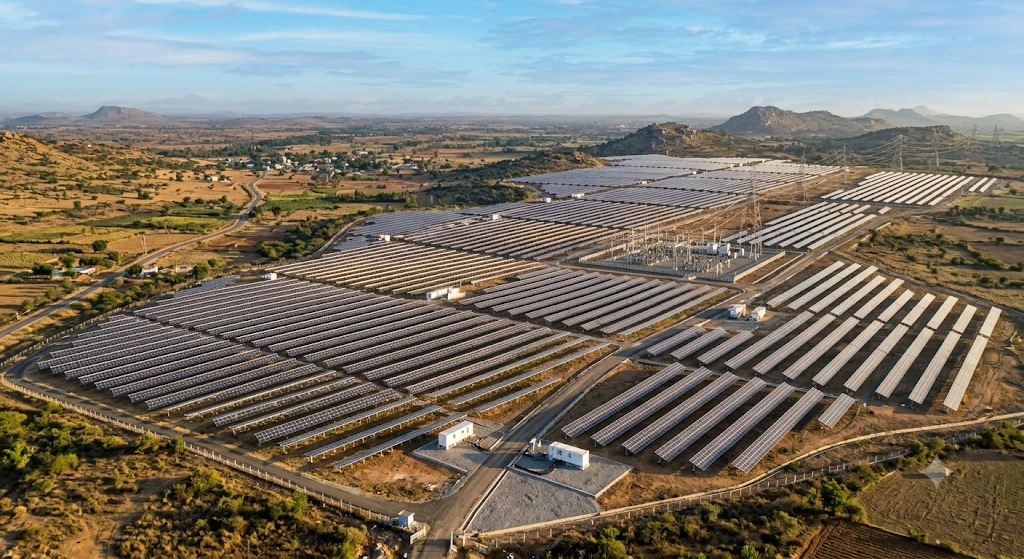
INDIA —CtrlS Datacenters has formalized a memorandum of understanding with the Government of Bihar to commit Rs 100 billion toward developing a 150 MW artificial intelligence data center across roughly 100 acres near a high-voltage substation, with a preference for Patna or its surroundings. The agreement builds on a letter of intent signed a month earlier and targets commercial operations during 2029-30. The facility is projected to generate 400 direct roles, split between 100 on-site positions and 300 jobs created by hosted clients, following the recent launch of CtrlS's Rs 4 billion, 12 MW AI and cloud-ready center in Patna's Patliputra Industrial Area.
Founded in 2007, CtrlS Datacenters operates 19 facilities across nine Indian markets and plans to expand its total capacity beyond 4.4 GW by 2030 alongside overseas expansion in Southeast Asia and the Middle East. The Government of Bihar acts as the state-level administrative and industrial policy authority overseeing land allocation, utility readiness, and investment facilitation within the state.
This commitment highlights a shift of large-scale compute infrastructure beyond India's traditional metro hubs into eastern states where power availability and industrial land can anchor future growth. High-density AI workloads require substantial electrical capacity and substation proximity, making grid integration and multi-year execution timelines central factors as eastern India seeks to attract digital infrastructure.
The development affects data center operators, power utilities, high-voltage transmission planners, cloud providers, and enterprise technology users in eastern India. For state industrial policymakers, anchoring a hyperscale project near a major substation tests grid readiness, land assembly, and long-term investor confidence in regional digital corridors.
For businesses and investors, the agreement signals growing long-term capital allocation toward regional AI infrastructure ahead of 2030 capacity targets. Decision-makers evaluating eastern Indian markets will weigh substation access, power reliability, and execution milestones between signing and commercial launch as key indicators of commercial viability.