INDIA —The Government of Bihar has executed five memoranda of understanding (MoUs) worth 1.72 trillion INR covering six large-scale energy projects with a combined generation and storage capacity of 11,600 megawatts (MW). Formalized in Patna across a broader investment pipeline of 2250 billion INR submitted to the state's Energy and Industries departments, the agreements establish two 2,800 MW nuclear power plants and four pumped storage hydropower (PSP) facilities across multiple districts ahead of the state's 2030 continuous power supply target.
The Government of Bihar is the state executive authority responsible for industrial policy, energy planning, and public infrastructure development in Bihar, India, supported by the Bihar State Power Holding Company (BSPHCL). NTPC is India's largest state-owned power utility developing thermal, renewable, and nuclear generation assets, while Nuclear Power Corporation of India (NPCIL) is the state enterprise mandated to design, construct, and operate nuclear power stations across the country.
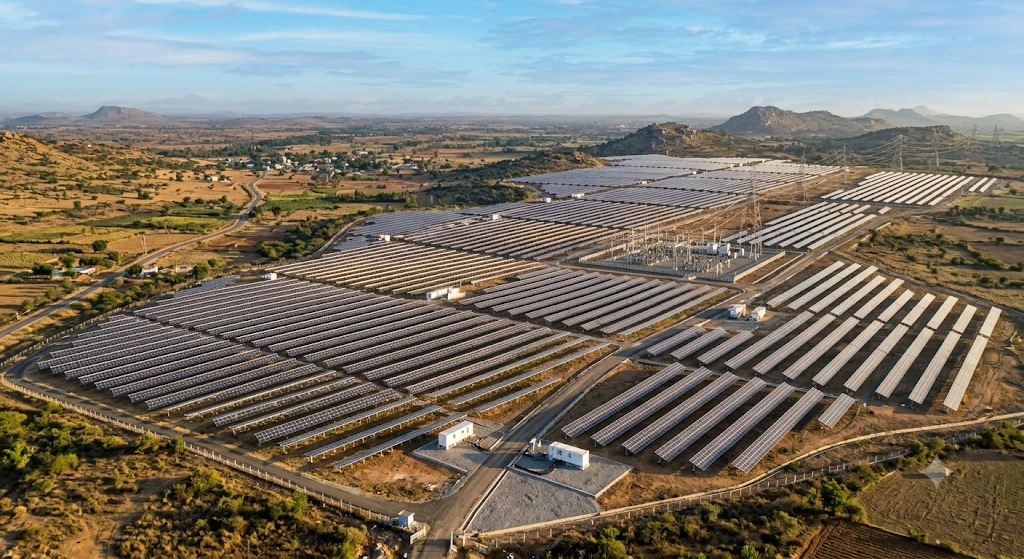
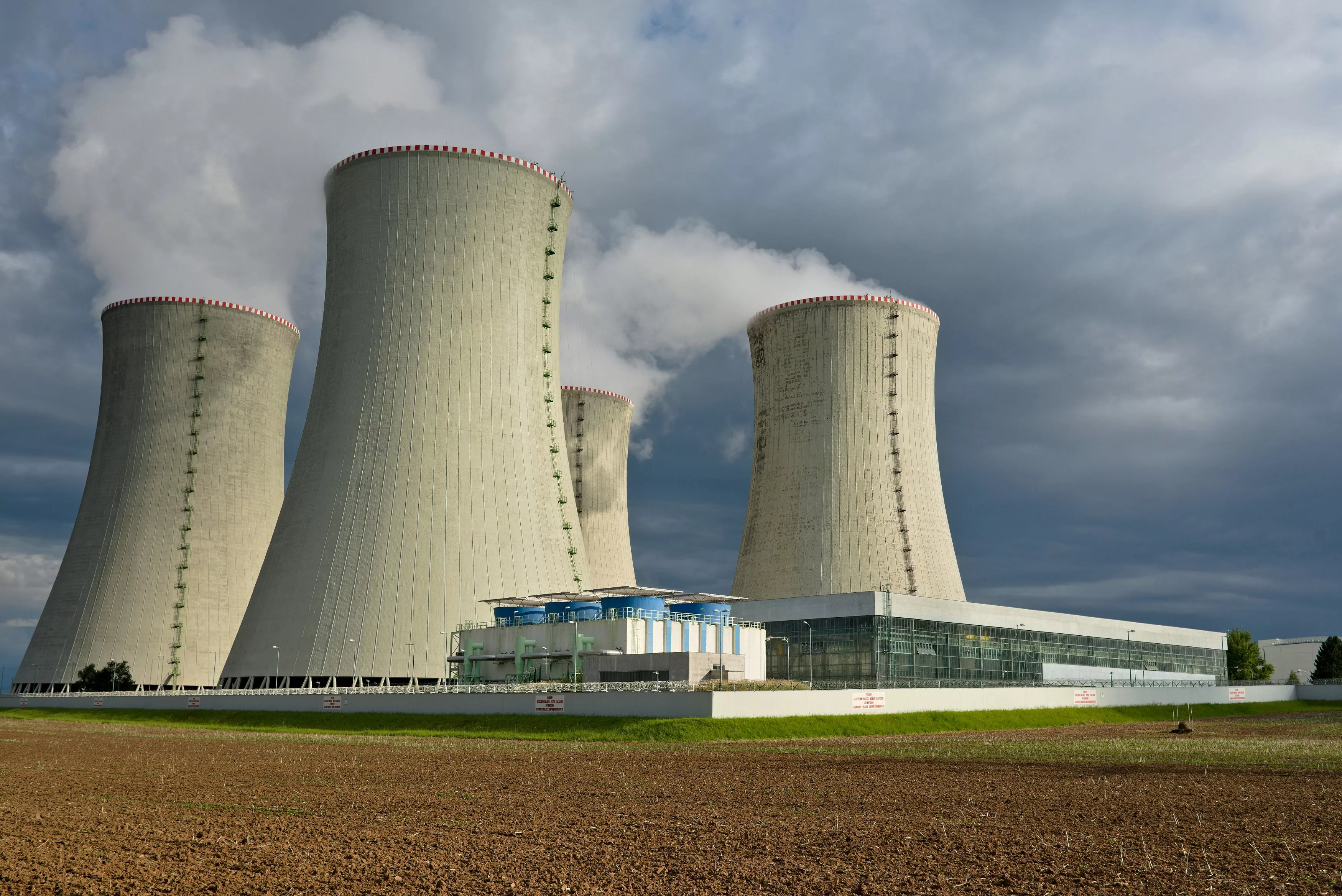
Under the pacts, NTPC and NPCIL will each develop a 2,800 MW nuclear facility at an estimated cost of 700 billion INR, spanning 1,500 acres and requiring 160 million cubic meters of annual water supply, located at Bhitiya in Banka district and Talhar in Siwan district, respectively. On the storage front, Adani will invest 99 billion INR per project for two 1,800 MW pumped storage plants-each rated at 10,800 MWh-in Nawada and Jamui districts; Torrent Energy Storage Solutions will commit 76.85 billion INR for a 1,500 MW facility at Hardiya/Fulwaria Dam in Nawada; and Greenko Energies will invest 54 billion INR for a 900 MW pumped storage unit in Aurangabad district.
Pairing baseload nuclear capacity with grid-scale pumped storage directly addresses peak load balancing, industrial power reliability, and long-duration energy storage requirements across eastern India. For industrial manufacturers, engineering and construction contractors, water resource planners, and energy investors, large-scale capital commitments in Banka, Siwan, Nawada, Jamui, and Aurangabad signal a structural shift toward industrial power security while placing heightened emphasis on land assembly, water allocation, and regulatory execution.