CANADA —A majority stake acquisition in Charging Robotics will see clinical-stage biopharmaceutical firm Clearmind Medicine diversify its operational footprint into autonomous electric vehicle infrastructure. Under the terms of the transaction, the acquiring entity will secure a 51% share in the wireless charging solutions developer for $2.5 million. The agreement also obligates the buyer to issue a $1.5 million credit facility bearing a 4% annual interest rate over a three-year term, with flexible repayment terms contingent on operational cash flow generation. The transaction is slated for completion in mid-September 2026, subject to customary closing conditions.
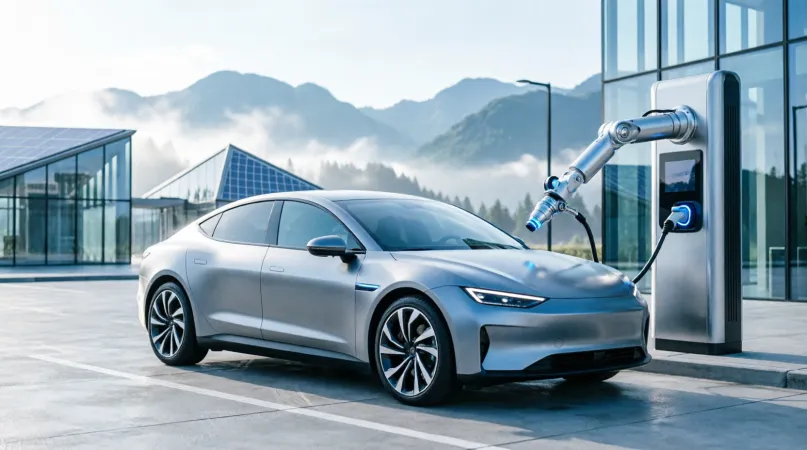
This unconventional cross-sector deal bridges biopharmaceuticals and advanced mobility infrastructure. Clearmind Medicine, traditionally focused on developing novel non-hallucinogenic, neuroplastogen-derived therapeutics for severe health conditions such as alcohol use disorder, is entering an emerging market segment. Charging Robotics specializes in specialized wireless power transfer systems delivering up to 10 kW continuous power designed for automated parking garages, robotaxi fleets, and mobile platforms where physical cable connections are impractical.
The move highlights growing investor interest in automated power distribution networks tailored for driverless transit systems. Autonomous mobility operators face structural operational hurdles regarding continuous utilization, automated maintenance, and dynamic energy management in congested urban environments. Integrating wireless power delivery directly into robotic parking mechanisms reduces human oversight and hardware wear, establishing essential infrastructure for scalable autonomous fleet operations.
For stakeholders in the automated transport and urban real estate sectors, the capital injection accelerates the commercialization of hands-free charging infrastructure. By shifting power delivery into a background automation function, parking operators and fleet managers can optimize facility layouts, lower labor overheads, and improve overall vehicle uptime. The deal illustrates how unexpected corporate diversification can fund critical hardware development within the evolving electric mobility ecosystem.