ICELAND —Blue Lagoon Corp. has closed its acquisition of Arctic Adventures hf., settling the transaction entirely through newly issued equity rather than cash. Under the deal terms, the company issued 246,443,576 new shares at nominal value to sellers, lifting total issued share capital to 1,271,207,065 shares ahead of listing the new stock on Nasdaq Iceland on November 26, 2026.
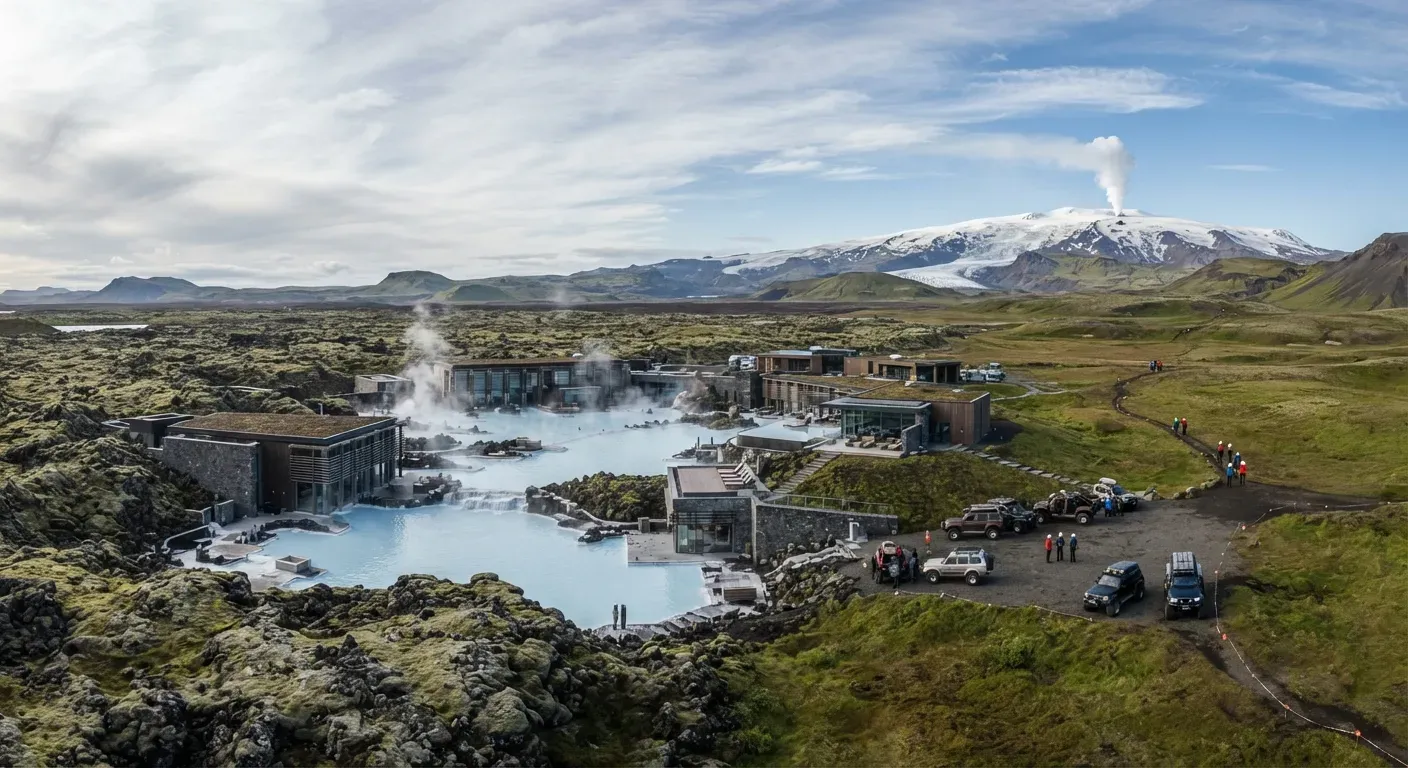
Blue Lagoon Corp. operates geothermal wellness resorts, hotels, highland bases, and skincare lines across Iceland, including Blue Lagoon, The Retreat, Silica Hotel, Highland Base - Kerlingarfjöll, Laugarvatn Fontana, and Blue Lagoon Skin Science. Arctic Adventures ranks among Iceland's major adventure tour operators, running guided glacier, cave, northern lights, and hiking excursions alongside sites such as Fjaðrárgljúfur, Kerið, and Raufarhólshellir.
Using equity consideration preserves cash reserves while tying Arctic Adventures' former owners directly to combined group performance. Management estimates 2027 group revenue will rise by EUR 99 million, or 52%, from EUR 192 million to EUR 291 million. Projected 2027 EBITDA is expected to climb by EUR 23 million, or 47%, from EUR 49 million to EUR 72 million, incorporating half of an estimated EUR 5 million annual cost synergy target materializing in 2027.
Combining stationary wellness resorts and lodging with mobile excursion operations creates an integrated domestic tourism offering across Iceland. For travelers, tour operators, and regional service suppliers, bundling accommodation, geothermal spas, and outdoor activities under one corporate umbrella alters distribution reach and itinerary planning across key scenic corridors and highlands.
For equity investors and competing operators, the all-stock structure increases share count dilution while expanding earnings scale and operational diversification. Executing integration and realizing the projected EUR 5 million annual cost savings will be central to validating accretion, even as seasonal demand, weather disruptions, and competitive pricing pressures remain key execution variables.