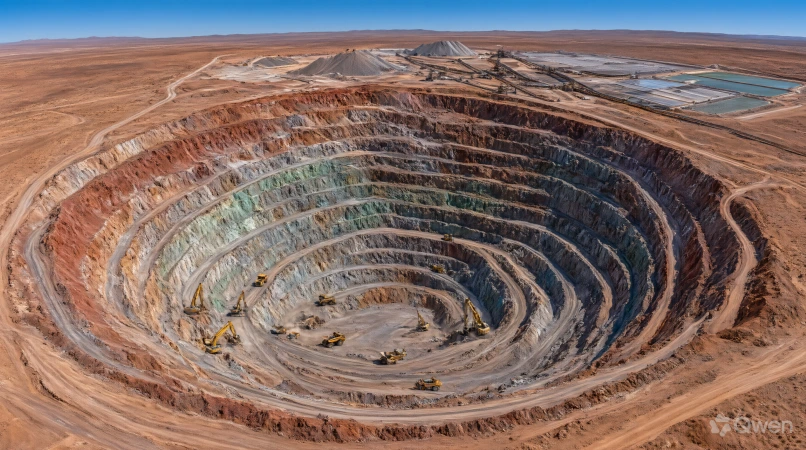
CANADA; UNITED STATES OF AMERICA —Blue Moon Metals has completed its transaction to acquire the Turner volcanic massive sulphide deposit near O'Brien, Oregon, from Gold Coast Mining under an agreement originally executed on September 23, 2026. The upfront package includes a cash payment of US$4.7 million at closing alongside 4,778,761 common shares valued at roughly US$27 million based on a pre-agreement reference price of US$5.65 per share. Those shares will be held in escrow by Odyssey Trust Company and released across four equal tranches starting April 1, 2027, subject to earlier release triggers if Blue Moon's share price reaches specified volume-weighted averages over twenty consecutive trading days after the initial tranche. Additional contingent cash payments total up to US$7 million across underground exploration or development permitting, mining permitting, and six months after commercial production begins, with a fallback schedule of annual installments starting after the sixth anniversary if unpaid.
Blue Moon Metals is a mining enterprise advancing six brownfield polymetallic projects across North America and Norway, covering copper, gold, silver, zinc, tungsten, molybdenum, germanium, and gallium. Its institutional shareholder base includes Teck Resources, Oaktree Capital Management, Hartree Partners, Wheaton Precious Metals, Altius Minerals, Baker Steel Resources Trust, LNS, and Monial.
Securing the past-producing Oregon deposit adds copper and gold exposure along the Oregon-California border in a geologic setting comparable to Blue Moon's Blue Moon deposit near Mariposa, California. Rather than building standalone processing capacity from scratch at Turner, management plans to evaluate commingling extracted material for treatment at a planned flotation mill at the Springer complex in Nevada, a hub-and-spoke approach aimed at improving capital efficiency and utilization across regional assets.
The transaction intersects with heightened regulatory and supply-chain scrutiny surrounding critical minerals and domestic mineral processing in the United States. Copper and zinc appear on federal and European critical raw material lists, while germanium and gallium are designated critical minerals in the United States, placing brownfield redevelopment and multi-state ore transport under local, state, and federal permitting oversight in Oregon and Nevada.
For mineral developers, downstream industrial buyers, and equity investors, the deal structure balances immediate dilution and cash outlay against technical and permitting execution risk. Staged equity releases and milestone-linked payouts align seller proceeds with share performance and regulatory progress, while potential multi-state ore processing creates a template for regional consolidation even as permitting timelines and cross-border logistics remain key watchpoints.