BULGARIA —Bulgaria has concluded critical regulatory and financing frameworks under its Recovery and Resilience Plan, completing a major phase in its national energy transition strategy alongside the European Bank for Reconstruction and Development (EBRD). The institutional collaboration has directed nearly €1 billion in development funds to catalyze multi-billion-euro private investments across southeastern Europe. Established in 1991, the European Bank for Reconstruction and Development (EBRD) is a multilateral developmental investment bank headquartered in London that fosters transition toward open market-oriented economies and promotes private and entrepreneurial initiative across more than 30 countries.
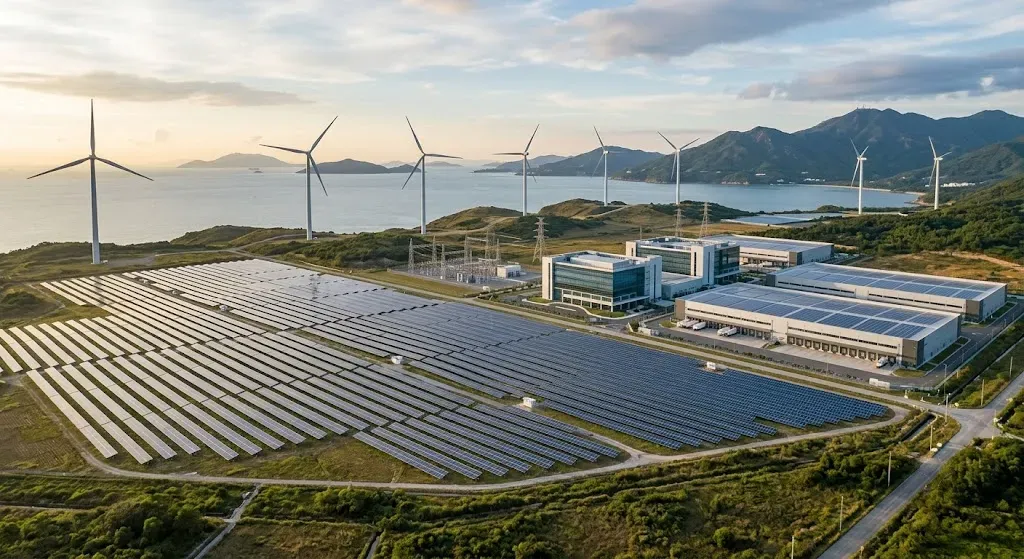
The joint capital deployment initiative has successfully structured competitive tenders, technical verification protocols, and incentive structures across the domestic energy sector. These policy mechanisms have directly supported the integration of 3 gigawatts of solar photovoltaic capacity and 15 gigawatt-hours of utility-scale battery energy storage systems into the national power grid. Beyond renewable energy deployment, the Bulgarian government signed a Memorandum of Understanding with the international lender to establish the Bulgarian Public-Private Partnership Preparation Facility, designed to structure concessions and attract commercial capital into state-led infrastructure programs.
The expansion of grid-scale energy storage addresses severe supply volatility and infrastructure bottlenecks that frequently impact high-penetration renewable markets across Eastern Europe. By stabilizing frequency regulation and alleviating grid congestion, the infrastructure buildout enables smoother integration of intermittent solar power, lowering wholesale electricity costs for industrial consumers. Concurrently, the newly established public-private partnership facility establishes structured frameworks for private institutional investors to participate in commercializing transport networks, industrial zones, irrigation projects, and municipal utility assets across the region.
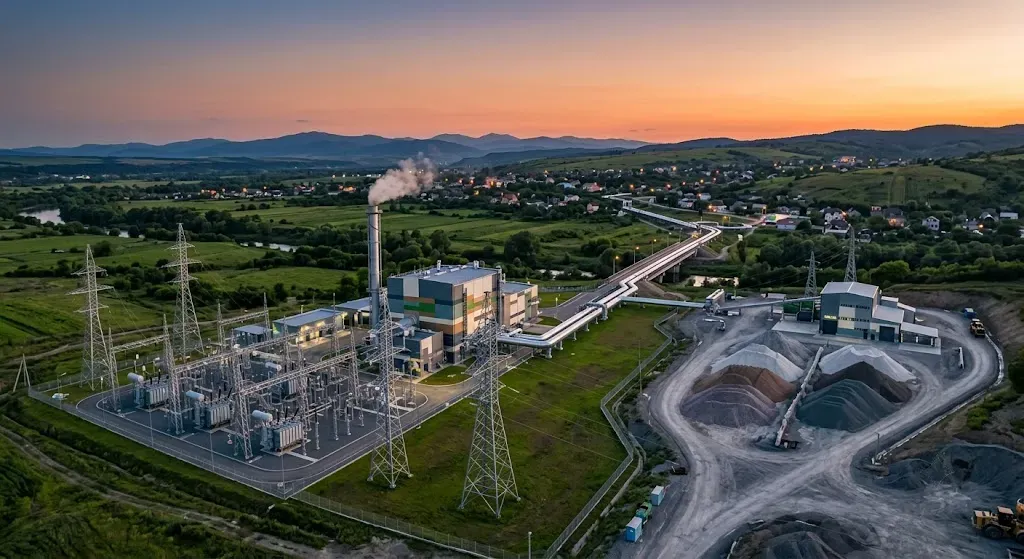
This structural modernization shifts Bulgaria away from thermal power generation while reinforcing grid resilience in southeastern Europe. Commercial developers, independent power producers, and global infrastructure funds stand to gain from enhanced market predictability and reduced off-take risks in regional power markets. Furthermore, the operationalization of standardized public-private framework models provides institutional lenders and private contractors with predictable concession pipelines, setting a benchmark for capital crowding-in across emerging markets in Central and Eastern Europe.