PANAMA —Panama has secured approval for a $92 million development policy operation from the Central American Bank for Economic Integration (CABEI), supporting reforms across healthcare delivery, pharmaceutical regulation and public health administration. The operation is structured around the Strengthening Logistics, Access, and Health Management framework, known as FLAGS, which has the potential for nationwide implementation. Approval advances the financing process, while disbursement remains subject to fulfilment of the applicable conditions.
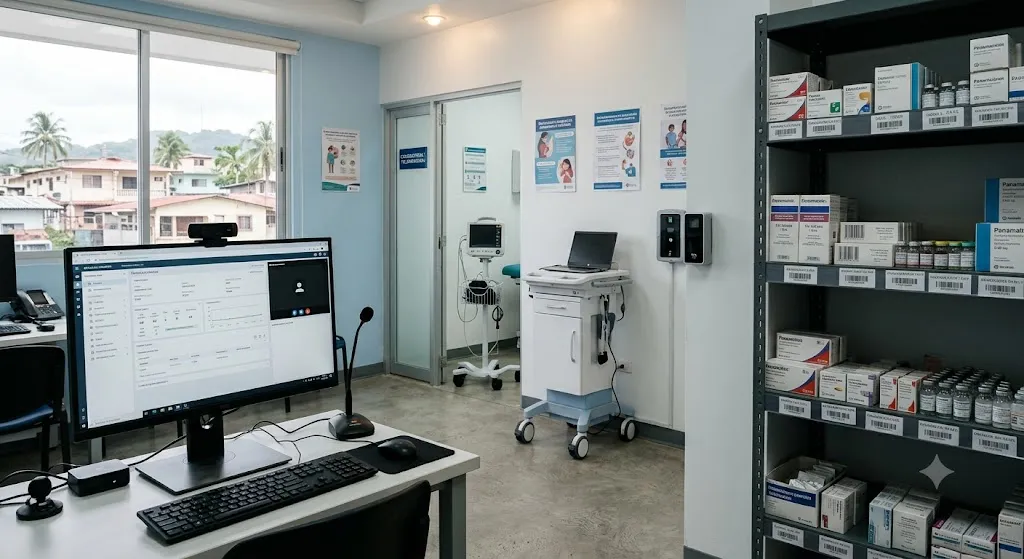
A key implementation target is the expansion of digital healthcare capacity. Panama aims to increase the number of health facilities equipped to provide telemedicine from 56 in 2026 to 96 in 2029. Wider use of remote consultations and digital follow-up could help health providers serve patients beyond conventional in-person settings, particularly where access to facilities or specialist services is constrained. Delivery will depend on technology deployment, staff readiness and integration with existing healthcare systems.
The programme also seeks to shorten regulatory processing for selected medicines that meet established requirements. Panama plans to raise the cumulative number of registrations approved through a simplified procedure from 61 to 361 by 2029. Faster review pathways could reduce administrative delays for eligible pharmaceutical products and support their entry into the market, while implementation will need to preserve applicable safety and quality requirements. Pharmaceutical manufacturers, distributors and healthcare providers may be affected by changes to registration timelines and product availability.
Other reform priorities include prevention and management of noncommunicable diseases, particularly obesity, hypertension and diabetes, as well as stronger coordination between public institutions. Earlier identification of risk factors and improved patient management can help health authorities address conditions that create sustained demand for clinical services. Better governance and administrative capacity are also intended to improve the organisation and delivery of public healthcare.
CABEI is a multilateral development bank that finances economic and social development in Central America and other eligible member countries. Its policy-based financing supports institutional and regulatory changes rather than representing a conventional construction contract or a direct award to a private contractor. For Panama, the operation links financial support to policy implementation across medicine access, prevention, governance and digital health.
The impact will depend on whether the government achieves the stated service and registration targets and converts administrative reforms into measurable improvements in access and care. Technology providers, telemedicine operators and pharmaceutical businesses could find opportunities as digital services expand and medicine approval procedures evolve. However, the approved amount should not be interpreted as a direct procurement budget for these suppliers; specific commercial opportunities would depend on subsequent implementation decisions and procurement processes.