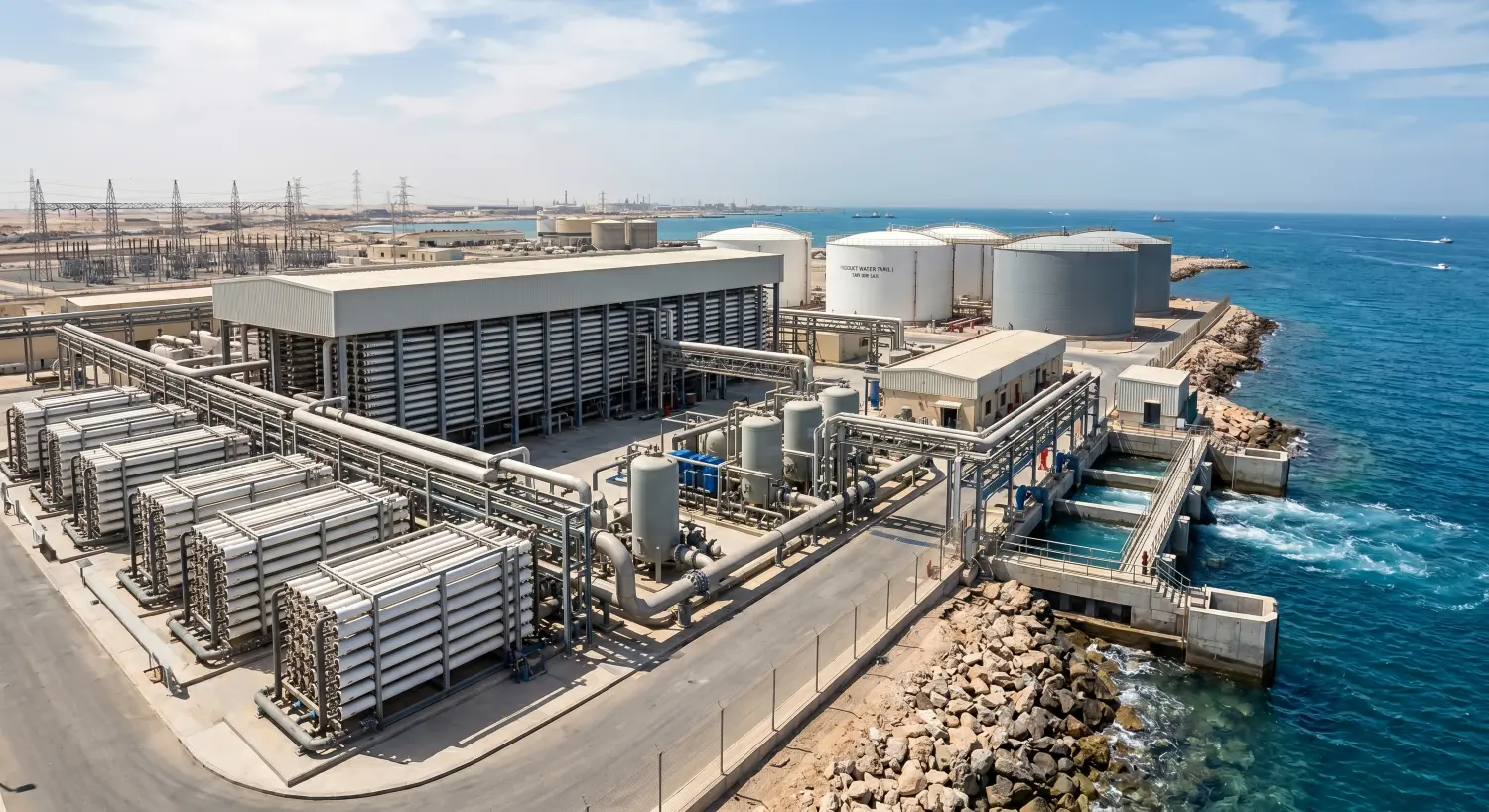
UNITED STATES OF AMERICA —California American Water has submitted an updated regulatory application to the California Public Utilities Commission outlining revised financial estimates, low-cost financing options, and proposed rate frameworks for the Monterey Peninsula Water Supply Project's desalination facilities. Extended permitting timelines, prolonged regulatory approvals, and continuous legal challenges have driven up capital requirements, pushing total projected construction costs to $825 million due to rising labor, material, engineering, and legal expenses. To buffer ratepayer impacts, the utility proposed a specialized financing structure designed to reduce customer cost burdens by $588 million over the facility's 40-year operating life.
California American Water, a subsidiary of American Water Works Company, is a regulated public utility providing water and wastewater services to approximately 880,000 people across California. The entity manages municipal water networks, water treatment infrastructure, and regional supply distribution systems.
The updated filing is a critical step toward securing long-term supply stability for the Monterey Peninsula, where severe pumping restrictions imposed by the State Water Board on the Carmel River have constrained regional expansion. Although historical conservation initiatives have curtailed river withdrawals by 75 percent, regional forecasts indicate a structural water deficit by 2050. Securing CPUC approval for the revised cost framework is pivotal to lifting regulatory restrictions, enabling local municipal development, and addressing structural housing deficits.
From an industry and policy perspective, the developments highlight broader headwinds facing capital-intensive coastal infrastructure projects across California and North America. Regulatory friction and litigation delays continue to inflate baseline capital expenditure requirements for major utility assets. Consequently, project developers, municipalities, and utility operators are increasingly adopting structured municipal financing frameworks and multi-decade ratemaking mechanisms to maintain capital project viability while protecting consumer affordability.