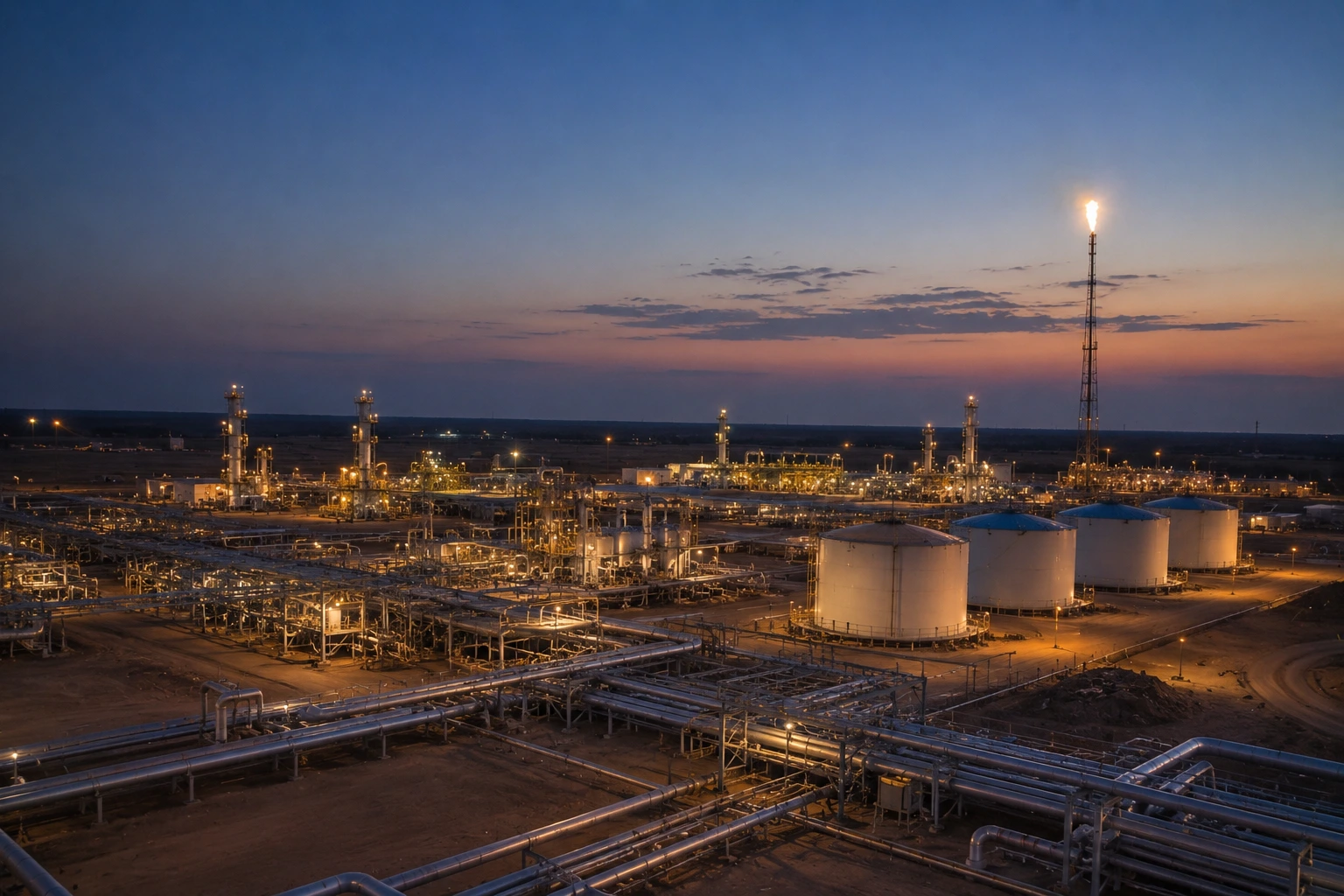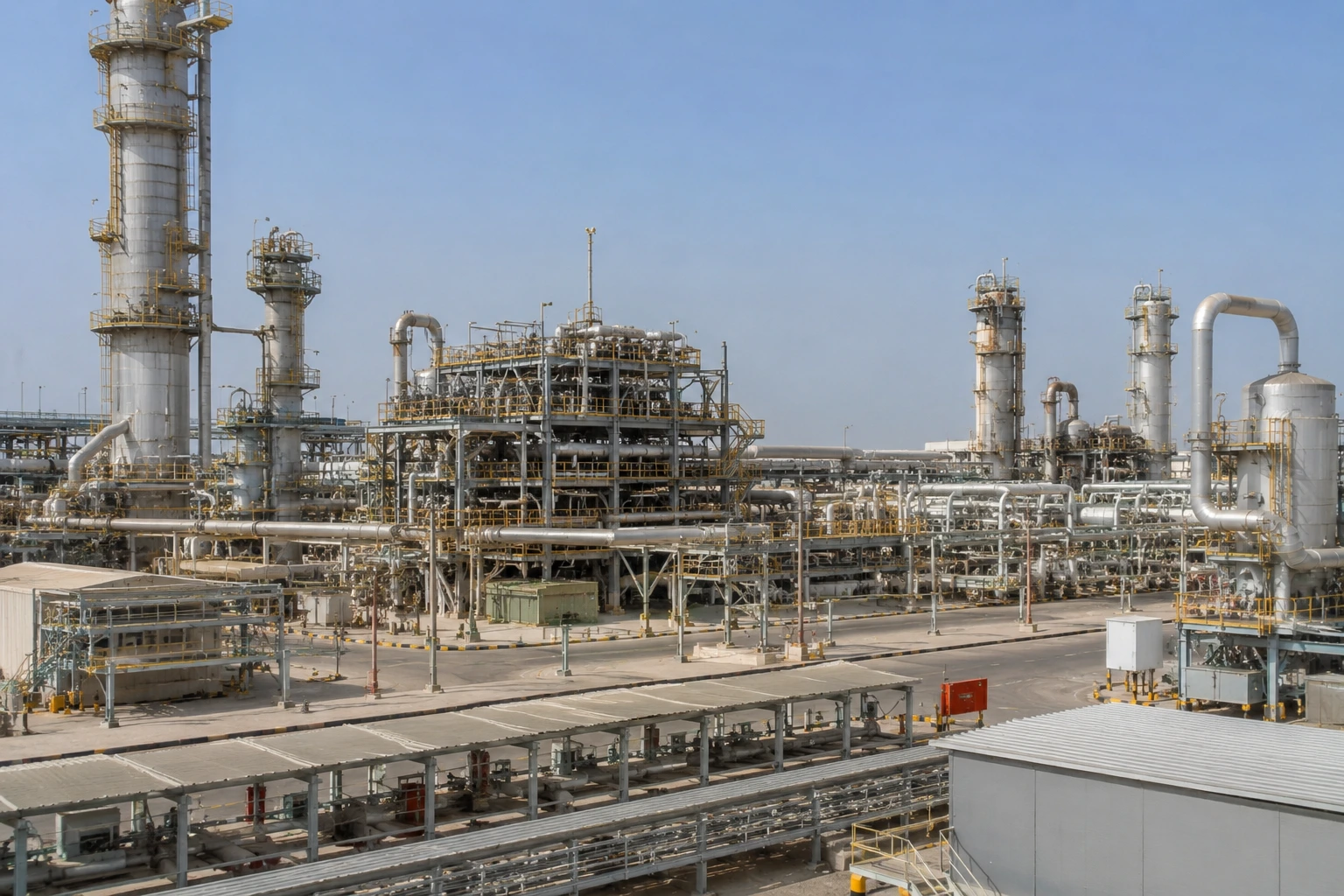
UNITED STATES OF AMERICA —Montana Renewables, a subsidiary of Indiana-based specialty products and renewable fuels producer Calumet, has revised its MaxSAF facility expansion plan in Great Falls, Montana. The updated framework leverages existing assets from an adjacent refining plant to scale Sustainable Aviation Fuel (SAF) production to approximately 200 million gallons annually by the end of 2028. Total product sales are targeted to reach 17,000 barrels per day. The capital expenditure for the expansion has been scaled back to $137 million, down from an earlier $1.2 billion projection. Financing will be covered through internal earnings alongside a final $34 million draw from an existing U.S. Department of Energy loan guarantee, which was restructured from an initial $658 million Phase 2 tranche.
The strategic pivot highlights a broader effort among bio-based fuel refiners to prioritize capital efficiency and mitigate risk amid volatile market conditions. By integrating key refining hardware—including a hydrotreater, hydrogen unit, and naphtha splitter—under a long-term lease, the facility transitions to a proprietary dual-reactor polishing configuration rather than building greenfield assets. This operational adjustment enhances product yield efficiency, minimizes byproduct output, and captures roughly 20 million gallons per year of saleable renewable propane and butane. Capital deployment has been segmented into six phased, quick-payback stages designed to expand run-rates incrementally from 60 million gallons in mid-2026 to 80 million by year-end 2026, 120 million by spring 2027, and 200 million by late 2028.
This initiative directly impacts the commercial aviation supply chain, regional agricultural markets, and energy infrastructure in North America. By avoiding third-party equity financing, the plant avoids corporate dilution while maintaining steady feedstock demand of approximately two billion pounds annually. Regional agriculture benefits from consistent off-take demand for tallow, distillers corn oil, canola oil, and camelina oil. Concurrently, the adjacent asphalt manufacturing facility remains fully operational, maintaining local industrial employment and shared site utilities across both operating entities.
For energy investors and corporate decision-makers, the revised capital allocation model illustrates a conservative strategy for scaling renewable fuel production without incurring excessive debt or diluting equity balance sheets. Deferring primary loan servicing until early 2029 aligns debt obligations with full commercial commissioning. As air carriers face stricter carbon reduction targets globally, low-cost asset redeployment models like this may become a precedent for scaling sustainable aviation fuel (SAF) capacity across the broader energy sector.