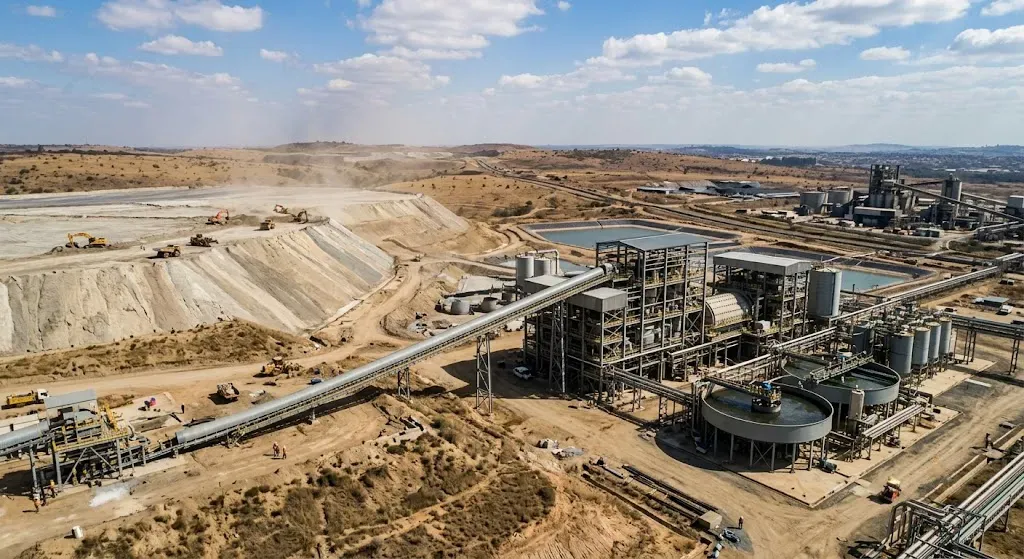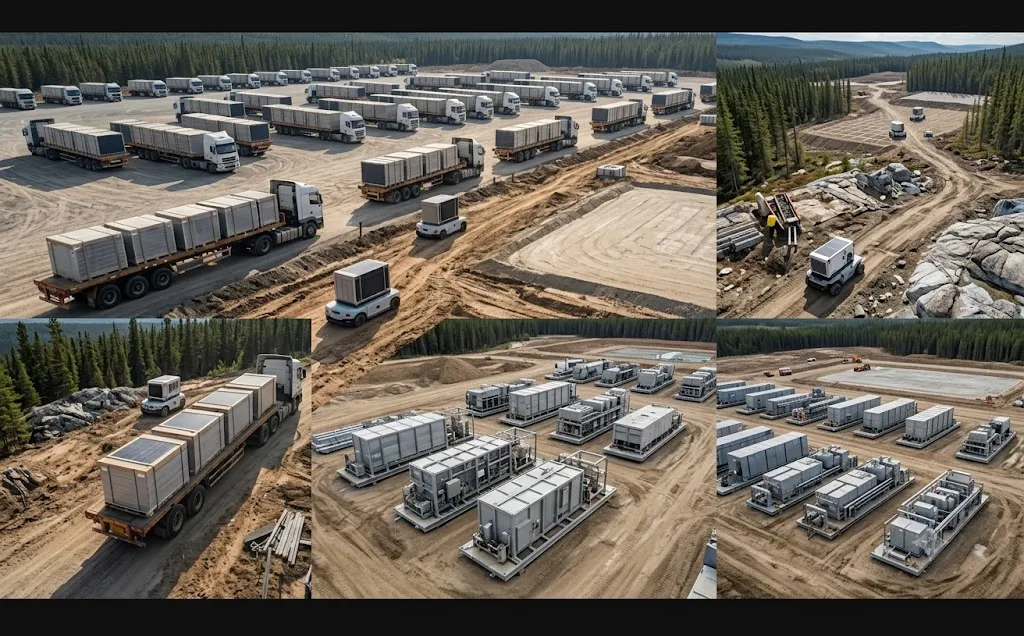
CANADA —Vancouver-based Nano One Materials Corp. has initiated site evaluation studies to select a location for a new lithium iron phosphate (LFP) cathode active material plant in Canada. Code-named Canada DevCo, the development strategy envisions an initial processing capacity of 25 ktpa metric tonnes per annum (ktpa), with structural provisions to scale output up to 100 ktpa. Early development work encompasses infrastructure readiness assessments, site selection, and the engineering of a standardized plant package supported partly by Natural Resources Canada. The facility aims to expand the company's manufacturing footprint beyond its existing demonstration site in Candiac, Quebec.
Nano One Materials Corp. is a Canadian process technology firm specializing in low-carbon, waste-reducing cathode active material production methods for lithium-ion batteries. Operating an innovation center in Burnaby, British Columbia, and a commercialization facility in Candiac, Quebec, the company licenses modular plant designs and proprietary manufacturing processes to international industrial partners.
Establishing domestic LFP production marks a critical operational pivot for North America, where battery supply chains remain heavily dependent on foreign midstream processing. By integrating Canadian feedstocks—such as lithium carbonate, phosphoric acid, and iron—with regional renewable power grids, the initiative aims to minimize supply chain bottlenecks and geopolitical risks. The facility is strategically designed to supply battery cells directly to the energy storage system (ESS), electric vehicle (EV), and national defense sectors across domestic and allied international markets.
The move aligns directly with federal critical mineral strategies designed to retain higher-value processing capabilities within Canada rather than exporting raw minerals. By qualifying regional feedstock suppliers and leveraging competitive, low-carbon industrial electricity, the project creates an infrastructure template for regional battery material processing. Continued qualification of local iron ore and chemical feedstocks will serve as a vital benchmark for North America's broader industrial transition toward sustainable, localized battery ecosystems.
Project execution relies on a project-level financing model, leveraging capital from private strategic partners and targeted government grants without relying solely on corporate balance sheets. Concurrently, ongoing qualification testing at the Candiac demonstration facility provides potential off-takers with technical validation, laying the foundation for long-term commercial supply agreements and joint venture opportunities in the regional energy sector.