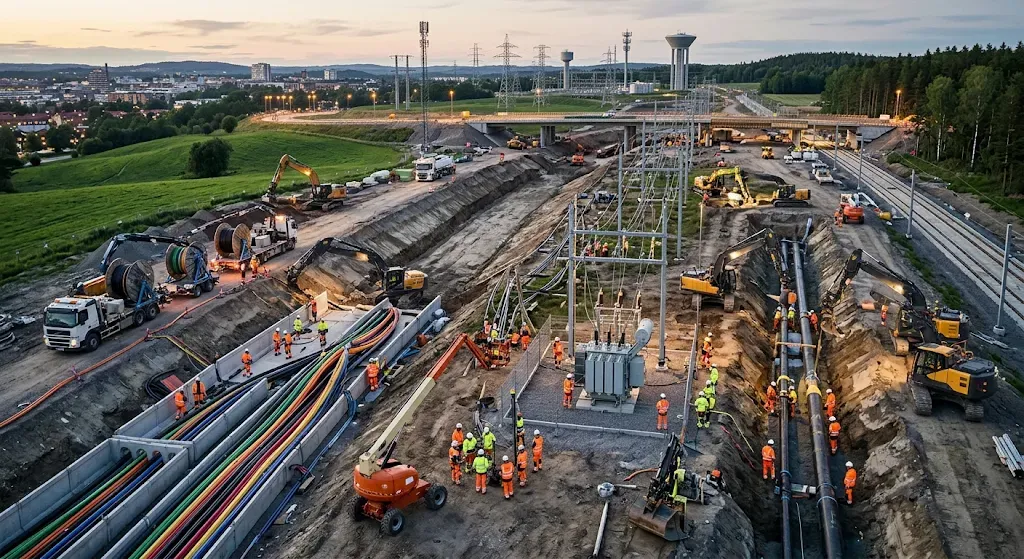
BARBADOS; BELIZE —A tripartite regional financing structure has been formalized to accelerate clean energy adoption across select Caribbean markets. The initiative establishes a US$ 68.7 million funding mechanism designed to enable end-users to install distributed power systems and efficiency upgrades without prohibitive initial capital outlays. The Caribbean Development Bank (CDB) operates as an international financial institution providing development financing to member countries. The Green Climate Fund (GCF) functions as a global financial mechanism established to assist developing nations in climate mitigation and adaptation efforts.
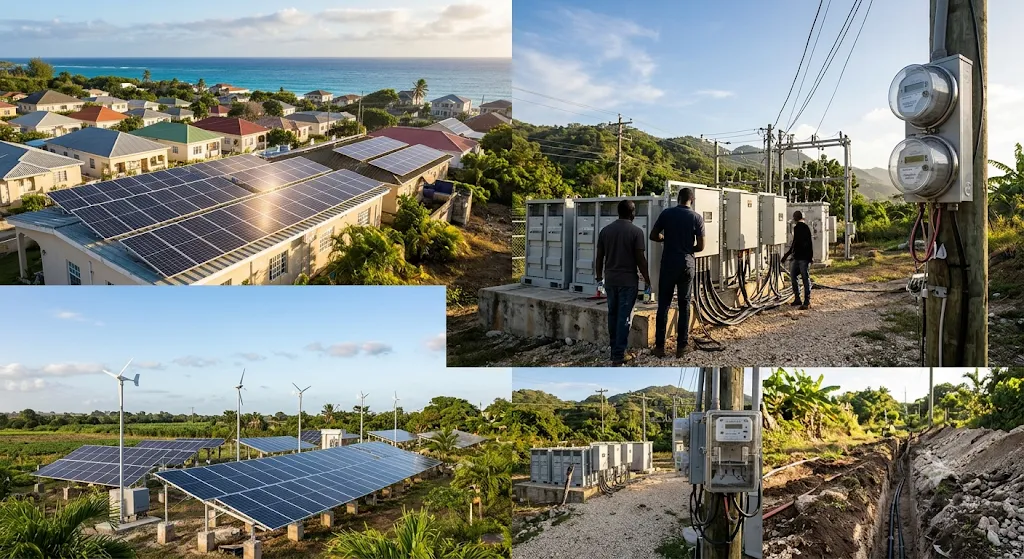
The operational framework relies on national electric utilities acting as executing entities to deliver rooftop solar photovoltaic arrays, battery storage units, solar thermal heaters, high-efficiency cooling appliances, and LED retrofits directly to residential and commercial premises. Capital costs are recovered incrementally through regular utility billing cycles, transforming traditional power distributors into active facilitators of sustainable energy deployment. Funding contributions comprise capital allocations from international climate funds alongside domestic banking resources and utility-side investments into smart metering infrastructure.
Caribbean nations face acute economic exposure due to heavy reliance on imported hydrocarbons for electricity generation, making power grids vulnerable to global commodity price shocks and climate hazards. The program addresses structural macroeconomic vulnerabilities by decentralizing power production and diversifying local energy portfolios. This phase establishes a baseline model intended to inform subsequent deployments across wider regional territories.
For commercial enterprises, utilities, and financial institutions, the initiative opens predictable market channels for green technology deployment and grid modernization hardware. Energy sector regulators and policy planners must adapt frameworks to accommodate utility-backed financing models and decentralized generation assets. Investors gain structured exposure to emerging climate infrastructure markets backed by multilateral development institutions.