BAHAMAS —A joint multi-million-dollar funding initiative has been established to overhaul freshwater resource management and secure critical utility infrastructure across six target islands within The Bahamas. The program relies on a blended financing structure totaling USD 65.2 million, supported by multilateral environmental financing mechanisms alongside regional development capital and domestic matching funds. Implementation protocols are scheduled to commence in 2027, running across a seven-year operational horizon to upgrade institutional frameworks, policy designs, and physical asset distribution.
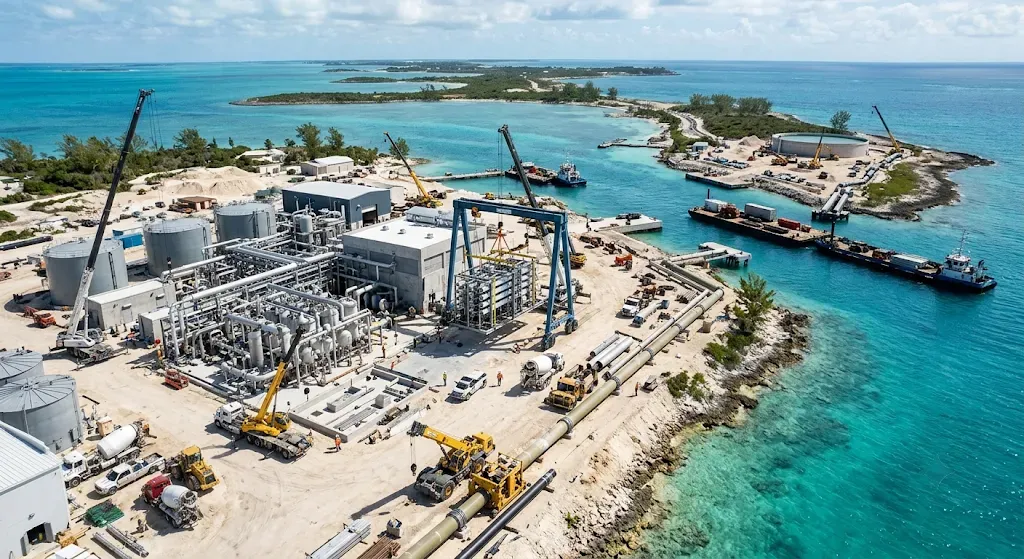
The operational framework focuses on modernizing resource governance and expanding climate-resilient engineering assets across South Andros, North and Central Andros, Mangrove Cay, Abaco, Acklins, and New Providence. Geographical and structural vulnerabilities drive the necessity for these systemic upgrades, given that a vast majority of the national land mass sits below five meters of elevation, exposing municipal supply networks to severe storm surges, repeated hurricane impacts, and rising sea levels. Furthermore, heavy operational reliance on energy-intensive desalination for over eighty percent of current freshwater generation creates acute financial and operational vulnerabilities for local utilities.
This capital allocation represents a critical paradigm shift for small island developing states attempting to transition from energy-dependent emergency recovery to integrated, long-term climate adaptation within municipal utilities. By upgrading data collection networks, drafting updated regulatory policies, and reinforcing physical distribution lines, the participating organizations aim to structurally lower municipal operating costs and secure long-term potable water access. The initiative directly impacts regional engineering firms, environmental consultants, and utility management contractors operating within the Caribbean infrastructure and water resource management sectors.
Commercial enterprises, utility operators, and institutional investors evaluating climate adaptation projects gain a scalable template for multi-lateral blended finance mechanisms in climate-vulnerable markets. The deployment of concessional loans alongside non-repayable grants establishes a risk-mitigation benchmark for infrastructure development in regions exposed to extreme meteorological events. Regional stakeholders must align compliance, procurement, and technical execution frameworks to meet stringent multilateral standards as implementation timelines approach in the upcoming operational cycle.