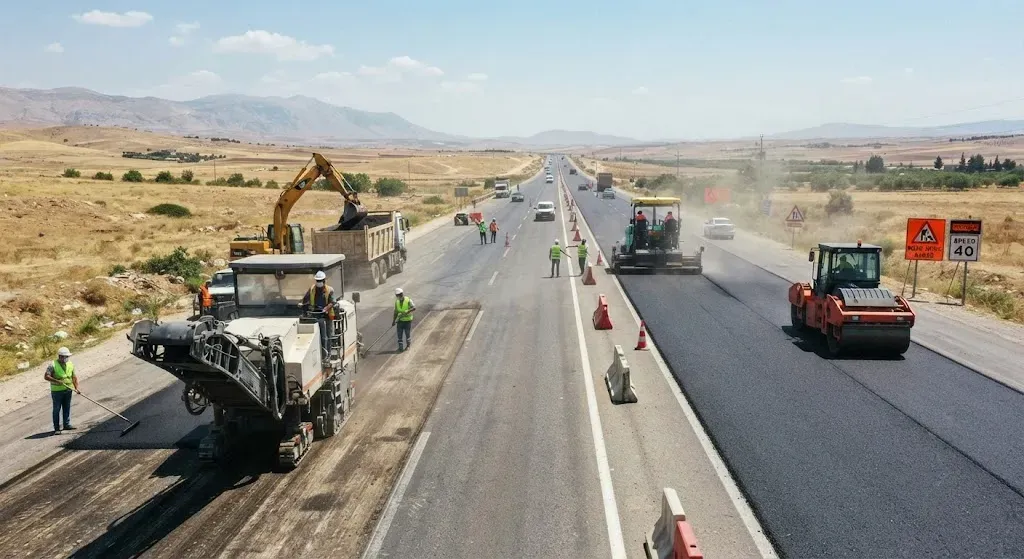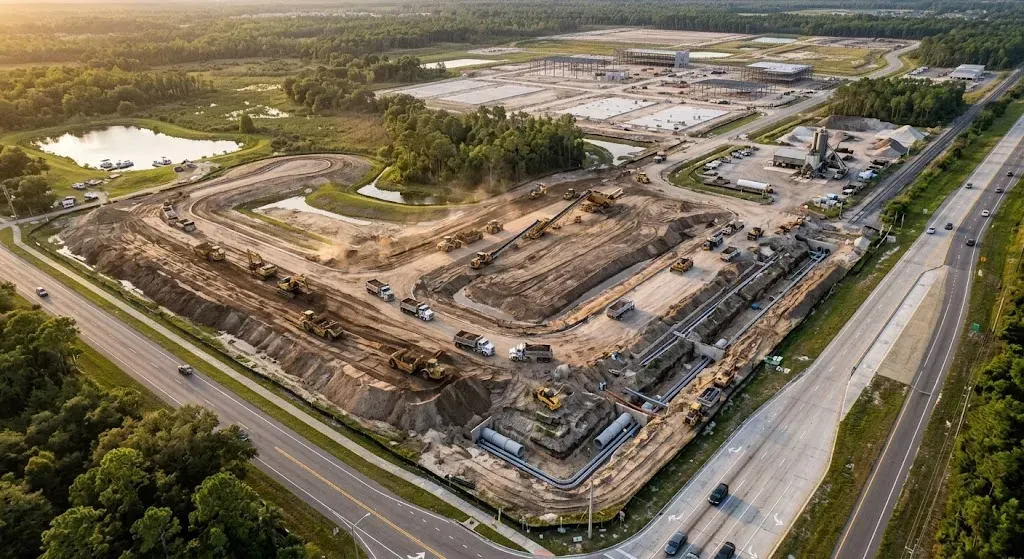
UNITED STATES OF AMERICA —Cardinal Infrastructure Group (CDNL) has agreed to acquire Hughes Brothers Construction for a total transaction value reaching up to $455 million, incorporating an initial consideration of $357.5 million and potential performance-based earnouts of up to $97.5 million. The transaction structure combines cash and company Class A common stock, with the cash portion supported by new debt financing and existing liquidity. Cardinal Infrastructure Group (CDNL) is a publicly traded provider of comprehensive infrastructure services supporting residential, commercial, industrial, and municipal developments across the Southeast. Hughes Brothers Construction operates as a specialized heavy civil and site development contractor in Central Florida, offering underground utility installation, earthwork, and roadway construction services through an owned equipment fleet and experienced workforce.
This strategic transaction is designed to establish a highly scaled operational platform within the rapidly expanding Central Florida market. By combining Hughes Brothers' turnkey operating model and substantial backlog with Cardinal's regional network, the combined entity aims to capture broader market share across commercial, industrial, and municipal end markets. The acquisition directly bolsters the buyer's financial profile by adding trailing 12-month revenue exceeding $220 million and approximately $350 million in existing backlog, providing enhanced revenue visibility and supporting the acquirer's targeted adjusted EBITDA margin expansion.
The buyout significantly impacts the heavy civil engineering, site development, and municipal infrastructure sectors across the Southeastern United States. Market participants and regional stakeholders face increased competition from a scaled platform capable of executing large-scale, complex civil projects exceeding 80 acres. Furthermore, the transaction establishes a formal precedent for consolidation among regional utility and earthwork contractors, signaling sustained merger and acquisition activity as major players seek localized beachheads to capitalize on ongoing demographic shifts and urban expansion in high-growth Southern markets.
For investors and corporate leadership, the acquisition presents a disciplined financial profile, maintaining a pro forma net leverage of 1.4x while delivering immediate accretion to financial performance metrics. The retention of founder leadership ensures operational continuity during integration. However, stakeholders must monitor integration execution risks, potential cultural friction during workforce assimilation, and potential exposure to cyclical shifts in regional residential and commercial construction demand.