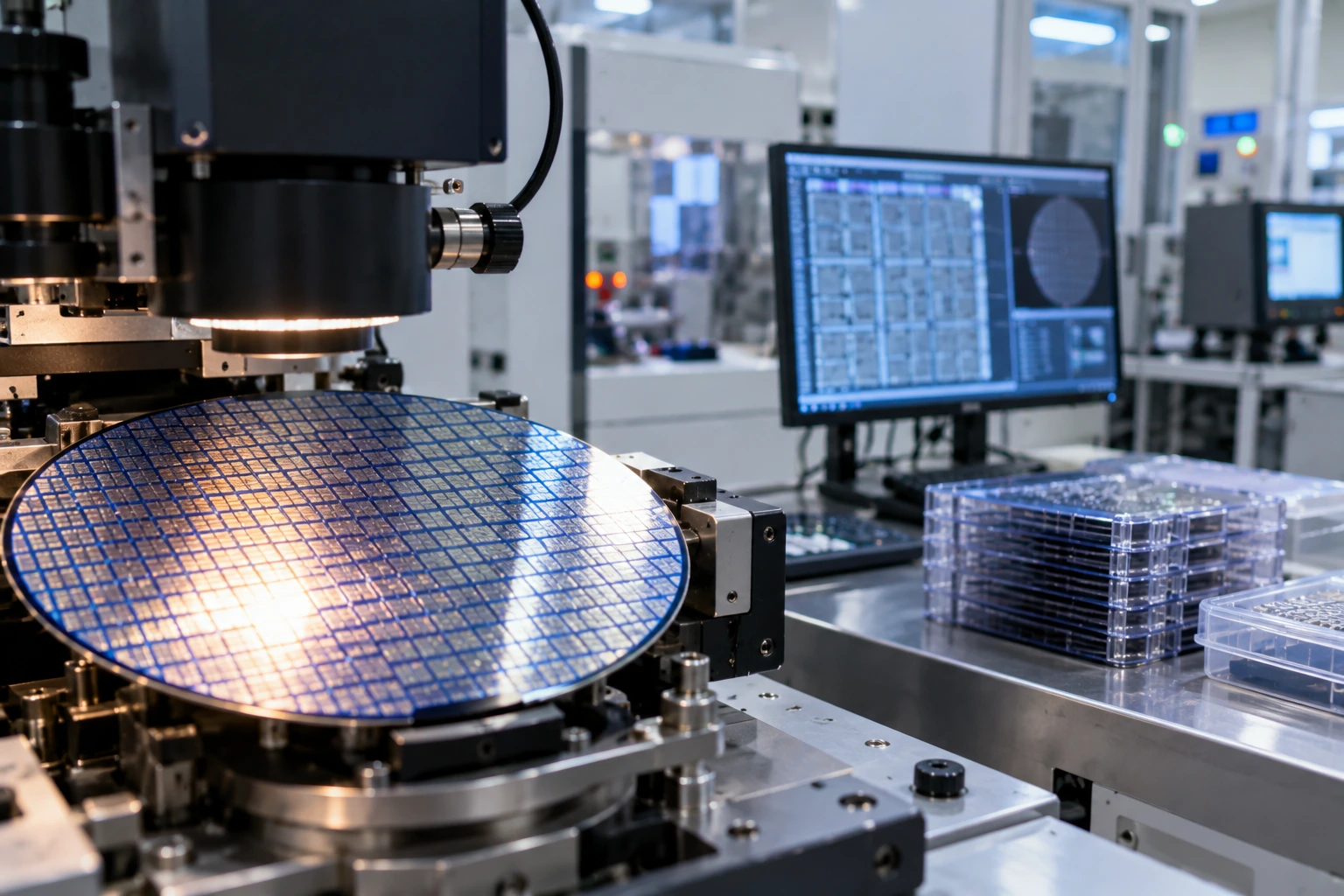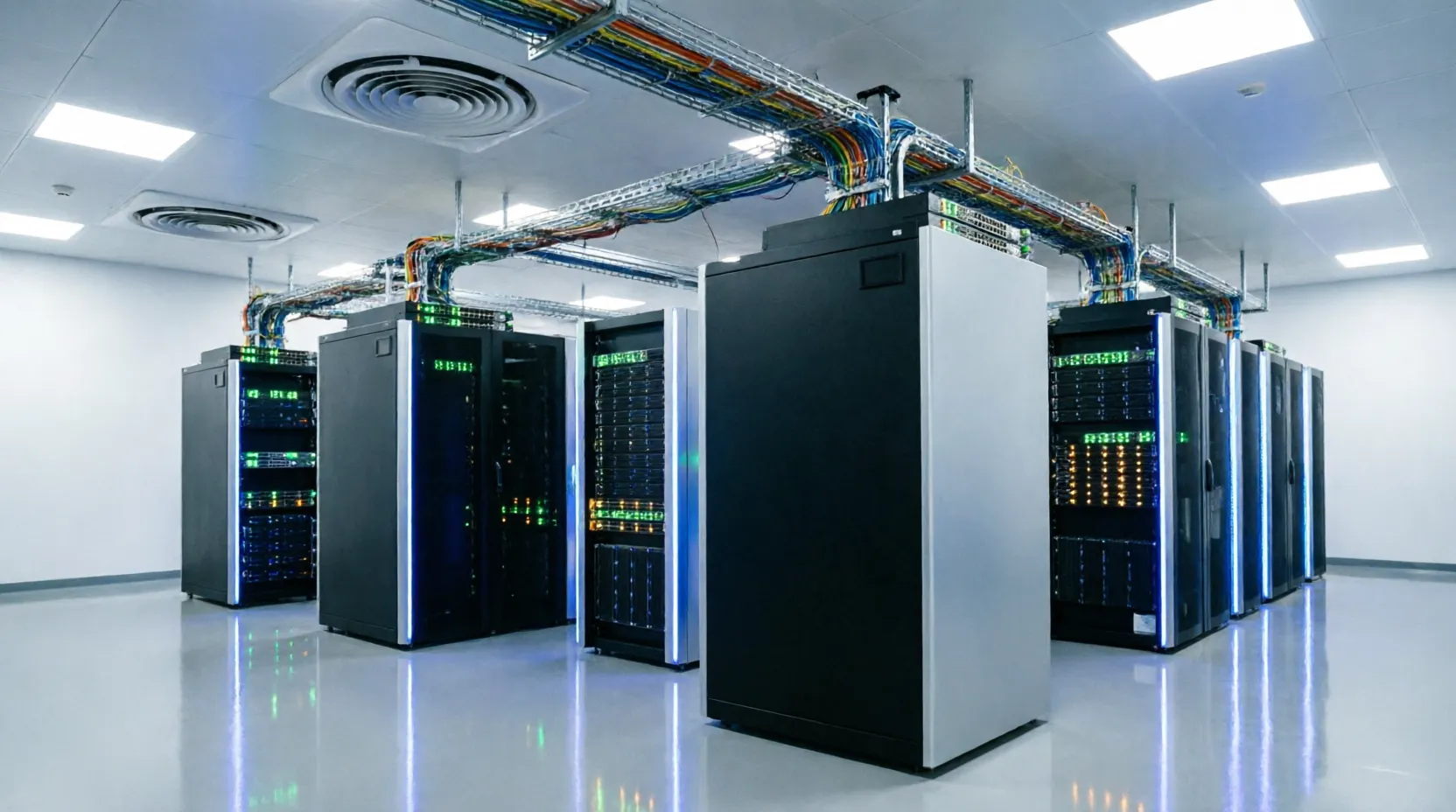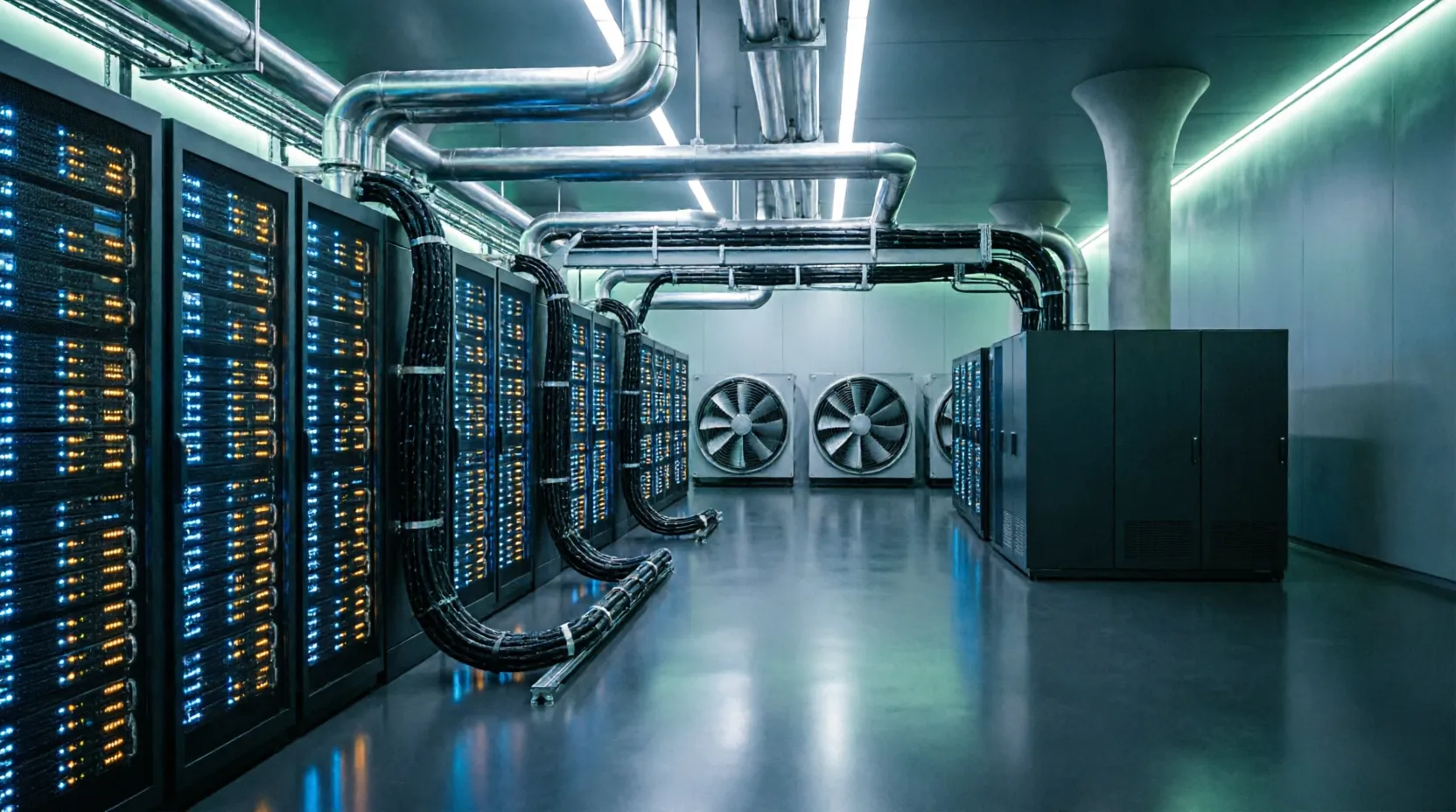
FINLAND —Cerebras Systems and Compute Nordic Finland have initiated a strategic partnership to develop a new artificial intelligence data center in Mikkeli, Finland. The facility is designed to scale progressively to a total capacity of 165 megawatts of contracted information technology load. Initial development phases encompassing 50 megawatts are already advancing, supported by a multi-year capacity agreement and an estimated total capital investment reaching 1.7 billion euros.
This infrastructure expansion directly addresses the escalating demand for localized, high-density computing resources across the European market. By establishing this operational footprint in the Nordic region, the project strategically leverages abundant renewable energy grids and advanced natural cooling capabilities. Such geographical positioning is critical for sustaining the massive power requirements of modern large language model training and inference workloads while adhering to stringent regional environmental and carbon neutrality standards.
The broader artificial intelligence infrastructure sector currently faces mounting pressure to balance rapid computational growth with sustainable operational practices. This specific facility deployment will significantly impact semiconductor hardware manufacturers, cloud service providers, and enterprise AI developers seeking reliable, scalable compute environments. Furthermore, it highlights a decisive industry shift toward decentralized data center networks that mitigate single-region energy grid constraints and navigate complex cross-border regulatory frameworks.
Cerebras Systems is a California-based technology firm specializing in advanced semiconductor and supercomputing architectures optimized specifically for artificial intelligence training and inference workloads. Compute Nordic Finland operates as a regional infrastructure developer focused on delivering sustainable, high-density data center solutions powered by local natural resources. Their combined collaboration signals a concerted effort to capture emerging market share within the European sovereign AI ecosystem, offering enterprise clients a resilient alternative to traditional graphics processing unit clusters. This alignment provides a competitive advantage in securing long-term enterprise contracts amid tightening global supply chains for advanced computing hardware.