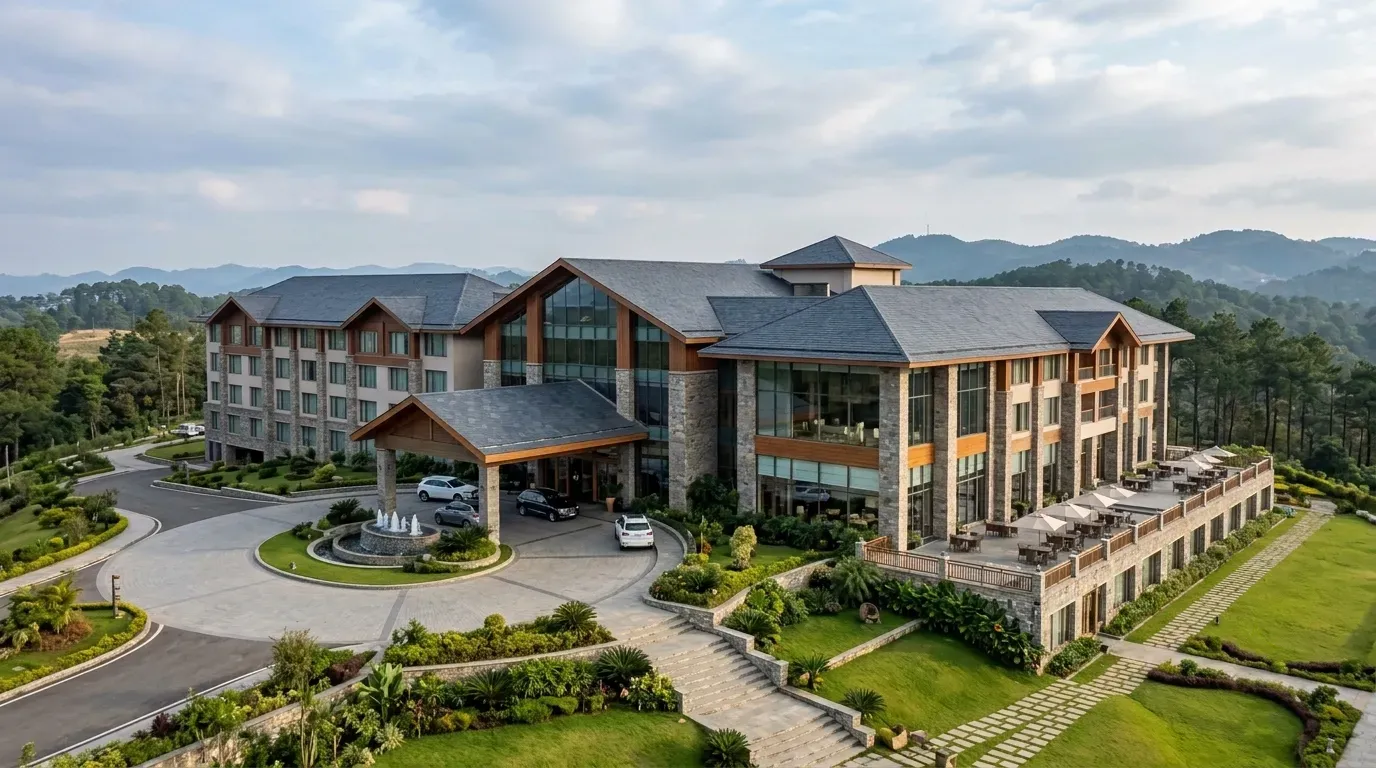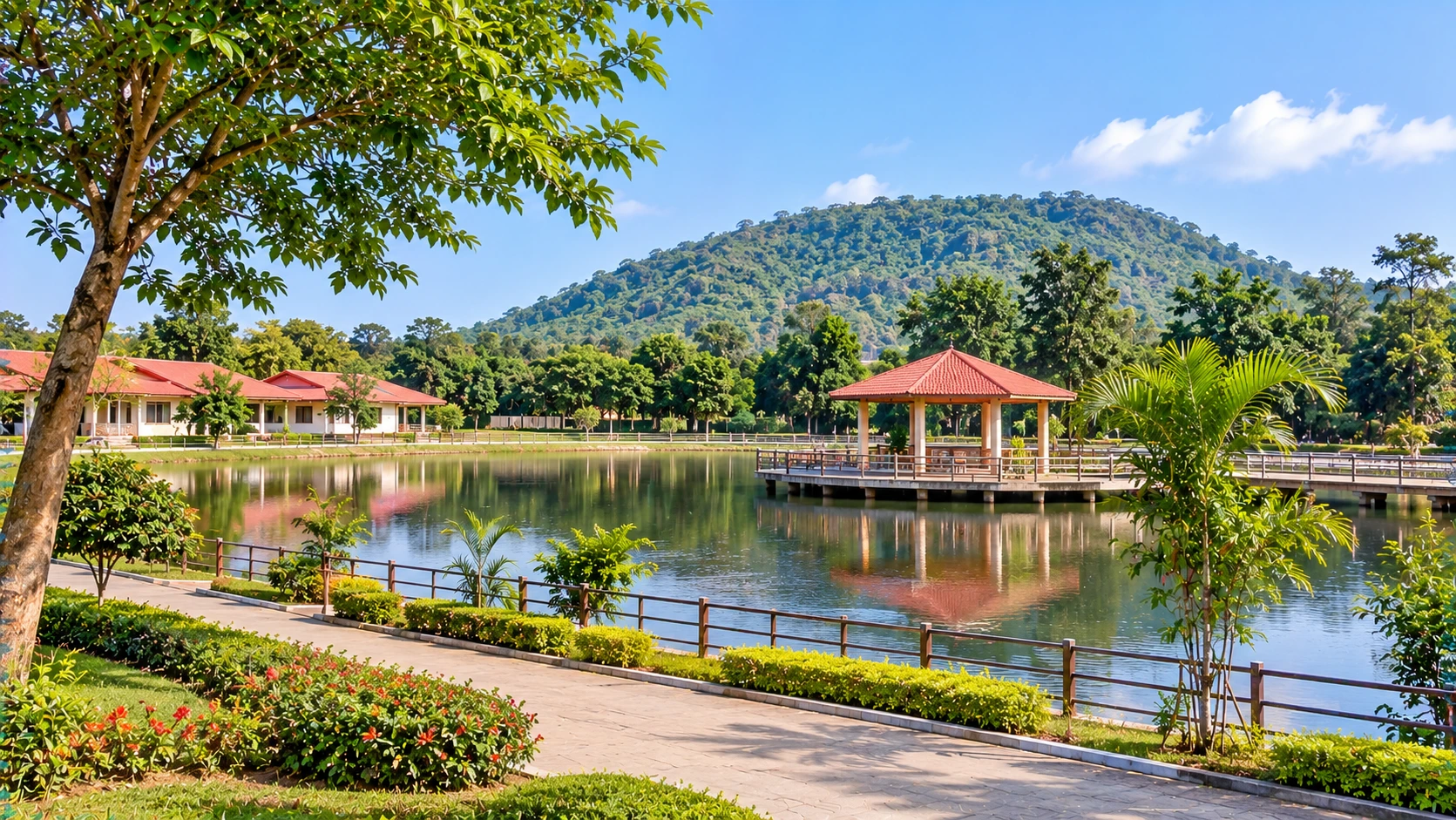
INDIA —Authorities in Chhattisgarh launched an eco-tourism initiative at Chandlidih village within the Bilaigarh development block of Sarangarh-Bilaigarh district on November 24, 2026. The project pairs outdoor recreation including kayaking, boating, bamboo rafting, night camping, picnics, and trekking along Satkhanda hill with cultural tourism centered on the Ramnami community, known for bodily inscriptions of Lord Ram, devotional singing, and distinct folk customs. Early international interest appeared at launch with two Russian visitors touring the site.
For regional economic planners, the initiative tests whether heritage-linked rural tourism can generate steady non-farm income in districts outside established circuit hubs. Rather than relying solely on large external operators, the model centers on local participation to create employment and self-employment avenues for youth, women, and residents while safeguarding local ecology and cultural assets. Sarangarh-Bilaigarh is an administrative district in Chhattisgarh created to decentralize governance and accelerate local development across eastern central India, while the district administration coordinates public infrastructure and community-led tourism initiatives across its blocks.
Within hospitality and public policy, the rollout aligns with state-level efforts to broaden tourism beyond conventional pilgrimage or wildlife corridors toward experiential and community-managed destinations. Because cultural heritage is a core draw, sustainable site management will depend on balancing visitor access, environmental carrying capacity, and community consent so cultural practices are interpreted respectfully rather than commodified.
For businesses, tour operators, and impact-oriented investors, early-stage rural destinations in eastern India present opportunities in small-scale hospitality, guided adventure logistics, craft retailing, and regional transport linkages. However, commercial scalability remains contingent on seasonal travel patterns, all-weather road and accommodation readiness, and sustained institutional coordination with local communities.