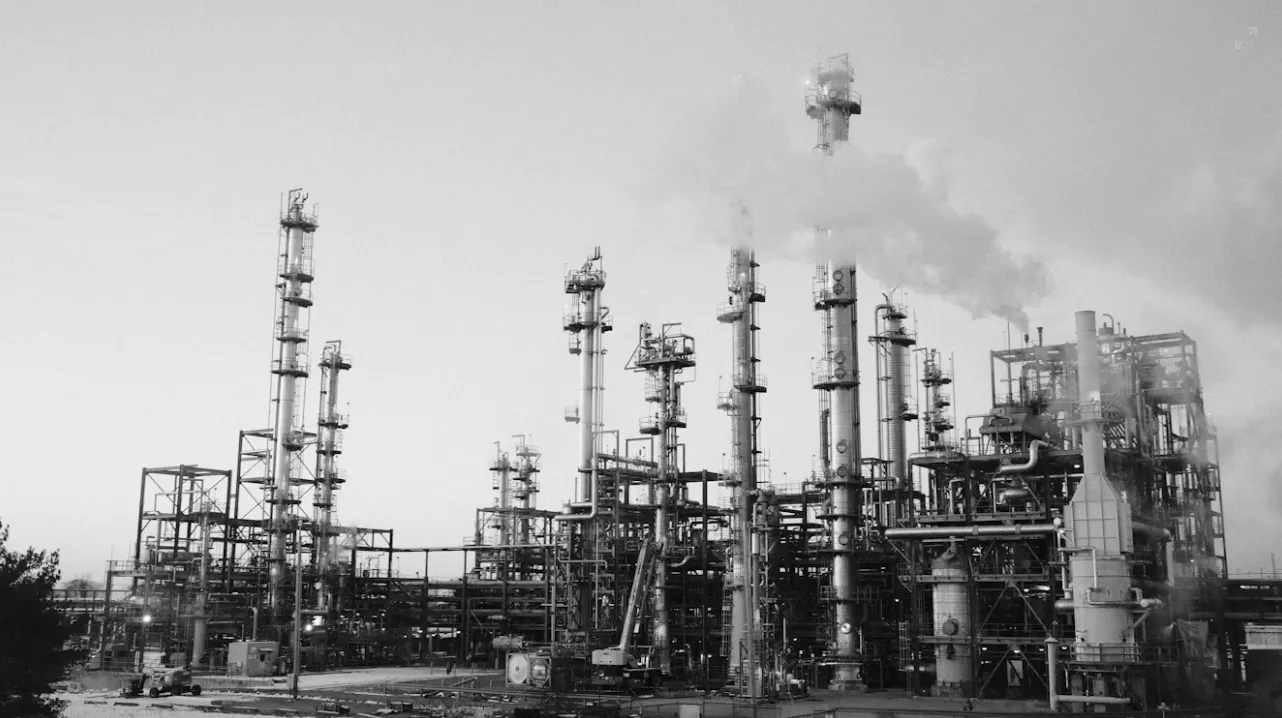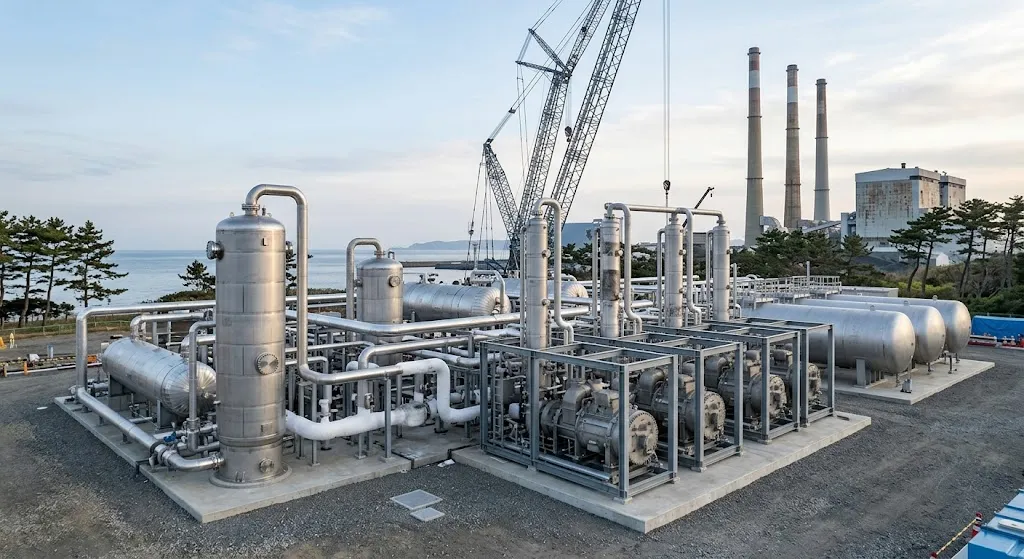
JAPAN —Chiyoda Corporation is a major Japanese engineering and construction firm that specializes in the design and execution of energy infrastructure, industrial facilities, and environmental technologies worldwide. The company has been officially contracted to perform the Front-End Engineering Design (FEED) for carbon dioxide liquefaction facilities situated at the Matsuura project site in Nagasaki Prefecture. This critical infrastructure is part of a comprehensive carbon capture and storage network currently being spearheaded by two major regional utility operators, Electric Power Development and Kyushu Electric Power. The facility, which integrates with an existing coal-fired thermal generation plant, is slated to commence full commercial operations in the early 2030s. The current engineering mandate will determine the precise physical layout and detailed technical specifications for the liquefaction units, effectively transitioning the project from its initial feasibility study phase, which was also conducted by the same engineering contractor, into the advanced planning stage.
The advancement of this engineering work is highly significant for the deployment of operational carbon management systems across industrial sites heavily reliant on fossil fuels. Liquefaction is a mandatory intermediate step for preparing captured emissions for long-distance transit, particularly when geological storage reservoirs are not located directly adjacent to the emission source. This specific project operates under the strategic framework of the Japan Organization for Metals and Energy Security, which previously designated the Matsuura site as a priority node for advanced carbon capture and maritime transport initiatives. By moving into the detailed design phase, the operators are addressing the complex logistical and thermodynamic challenges associated with cooling, compressing, and temporarily storing massive volumes of industrial exhaust before it is loaded onto specialized carrier vessels.
On a broader industry and policy level, the progression of the Matsuura cluster underscores the strategies being deployed to balance energy security with aggressive climate commitments. Nations with dense industrial sectors and limited domestic renewable resources often rely on existing thermal power infrastructure for baseload generation. Retrofitting these legacy assets with advanced emission abatement technologies is deemed a vital mechanism for achieving national decarbonization targets without compromising grid stability. The successful deployment of liquefaction and maritime loading infrastructure at this scale will establish a technical and regulatory template for managing emissions from other hard-to-abate sectors. This model is particularly relevant for coastal industrial zones where pipeline transport of captured gas is geographically impractical, necessitating the development of robust maritime shipping networks for sequestered carbon.
From a strategic and market perspective, this development signals a growing pipeline of specialized procurement and engineering contracts directly tied to the global energy transition. Engineering, procurement, and construction firms that secure early footholds in the design of high-capacity emission management systems are well-positioned to capture a rapidly expanding market segment. Concurrently, utility providers that invest in these carbon clusters are proactively working to extend the operational viability and lifecycle of their thermal generating assets. By mitigating the regulatory and financial risks associated with high greenhouse gas outputs, these utilities can maintain their baseload capacity while aligning with increasingly stringent environmental mandates. The detailed engineering outputs from the Matsuura site will ultimately validate the economic feasibility of the maritime transport model, heavily influencing future capital allocation and infrastructure investments across the broader Asian carbon management sector.