SAUDI ARABIA —A major infrastructure benchmark has been achieved in Saudi Arabia following the execution of the Project Commercial Operation Date certificate for the integrated utility platform serving The Red Sea multi-asset development. Delivered by Marafiq Red Sea for Energy Company, a joint entity comprising ACWA Power, SPIC Huanghe Hydropower, and Saudi Tabreed, under a 25-year concession agreement with The Red Sea Utilities Company, the system operates completely independent of the national power grid.
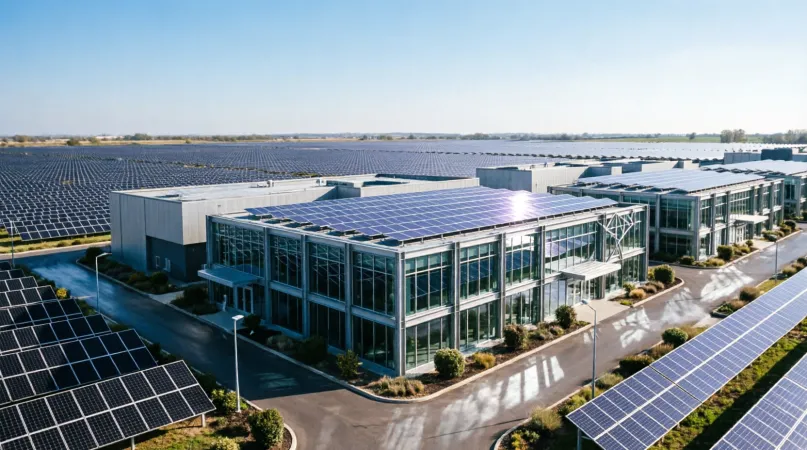
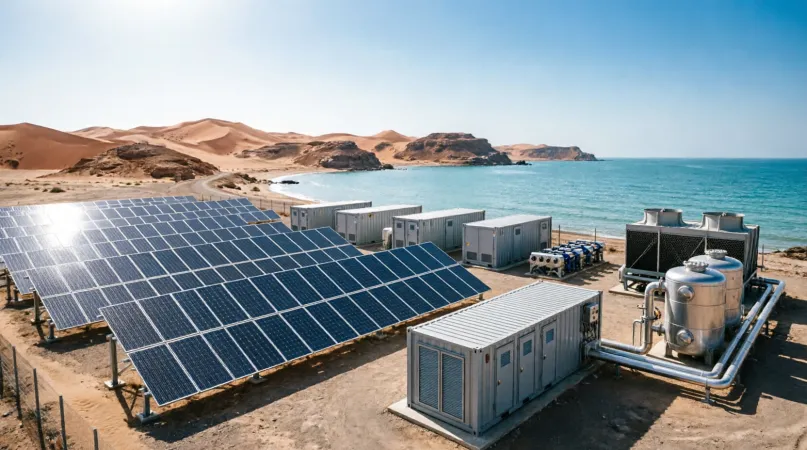
The utility complex incorporates a 340 MWac solar photovoltaic installation linked to a 1,227 MWh battery energy storage facility, establishing the largest standalone energy storage network globally. In addition to power generation capable of supplying up to 760,000 MWh annually, the integrated asset features three seawater reverse osmosis desalination plants, 32,500 refrigeration tons of district cooling capacity, a sewage treatment facility processing 16,000 cubic meters per day, and a centralized waste management center.
ACWA Power is a publicly listed Saudi Arabian energy transition firm and private water desalination operator specializing in power generation, green hydrogen, and water treatment infrastructure globally. The broader project development was funded through an initial investment structure of approximately 1.84 billion USD, supported by 1.33 billion USD in senior debt financing from domestic and international financial institutions, with engineering, procurement, and construction completed by SEPCO III.
This operational milestone represents a fundamental shift in utility provision for isolated real estate and infrastructure developments, proving that large-scale industrial assets can run reliably without grid interconnection. By eliminating fossil-fuel dependency, the platform is expected to prevent roughly 600,000 tons of carbon emissions per year, offering a scalable blueprint for remote economic zones, island economies, and mega-developments worldwide.
The successful commercial ramp-up provides a strategic model for infrastructure developers, asset managers, and sovereign entities seeking to combine multiple utility services under unified long-term concessions. It also validates the bankability of complex, multi-service off-grid assets, signaling potential growth in private-public partnerships across the Middle East, Africa, and other emerging markets pursuing aggressive decarbonization and tourism expansion targets.