BELGIUM —The Council of the European Union adopted a policy adjustment to expand financial backing for military forces and naval authorities operating within the Gulf of Guinea. Total allocations under the existing security framework have been elevated from €21 million to €31 million, marking a major upward revision in external defense funding. The Council of the European Union serves as the institution defining the general political direction and priorities of the EU, acting as a co-legislator alongside the European Parliament.
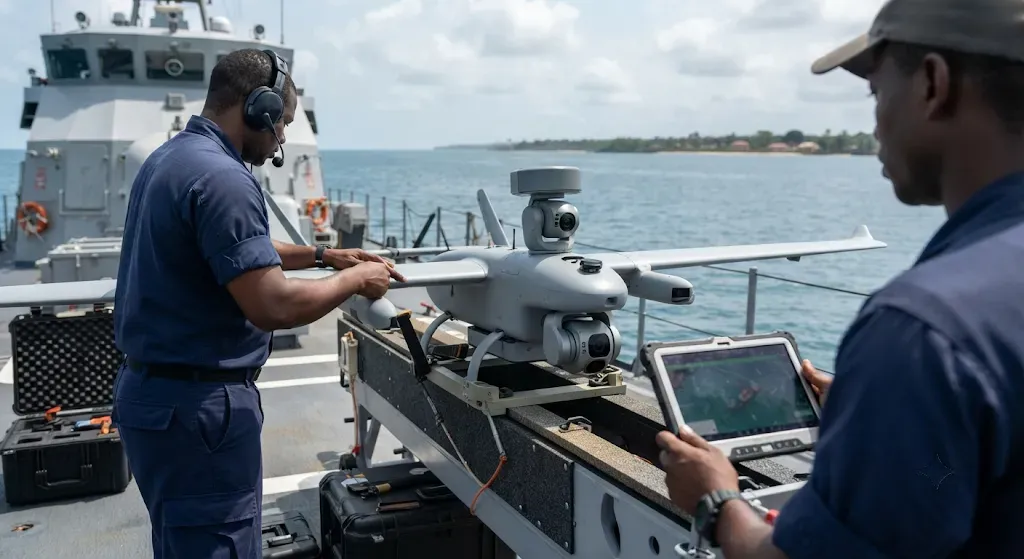
This capital expansion is designed to reinforce regional security structures, specifically supporting coordinated efforts managed through the Yaoundé Architecture. The framework provides the operational foundation for littoral nations to jointly detect, prevent, and mitigate maritime threats. Enhanced resource deployment concentrates heavily on boosting operational reach across international waters and improving technical capabilities for maritime monitoring and tactical response.
For maritime defense contractors, regional defense ministries, and international logistics operators, this funding adjustment signals heightened stability enforcement along crucial trade routes. Improved situational awareness and expanded patrol capabilities reduce geopolitical and security risks for commercial shipping lanes navigating West African waters. Consequently, international stakeholders operating in the region benefit from minimized supply chain disruptions and lower maritime insurance risk metrics.
From a policy and fiscal perspective, the decision underscores the strategic deployment of the European Peace Facility as an instrument for third-state capability building. By channeling resources into cooperative regional defense mechanisms rather than unilateral interventions, the EU establishes a scalable model for transnational security partnerships. This approach sets a precedent for long-term multilateral investment in international stability and maritime governance frameworks.