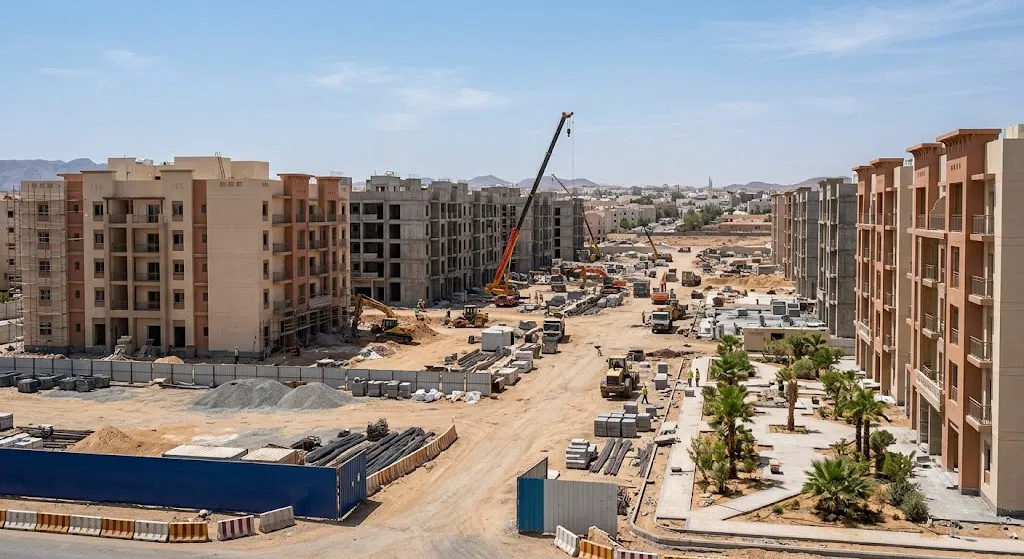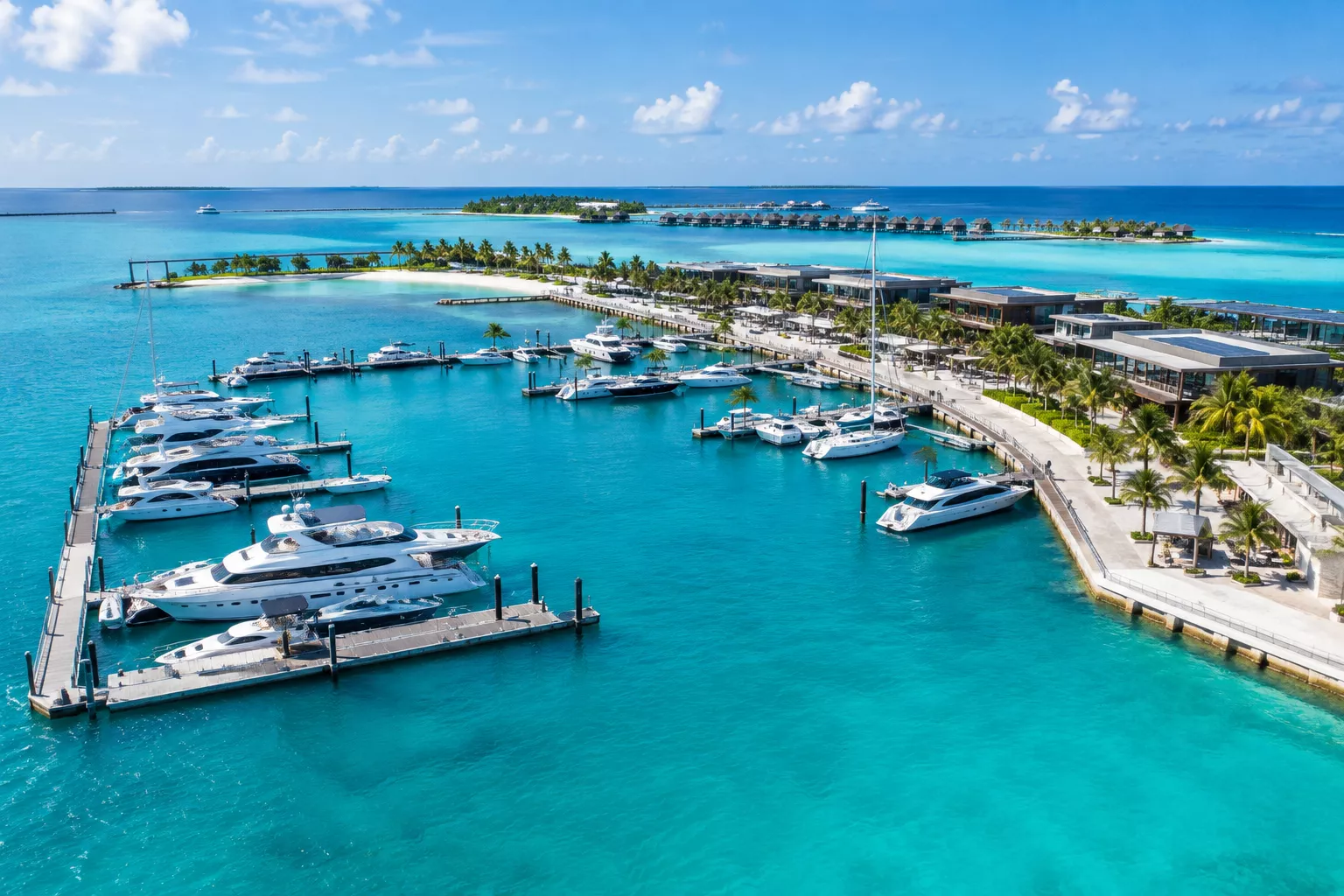
MALDIVES —The Government of Maldives has entered into a landmark commercial terms agreement with UAE-based master developer Eagle Hills to construct the 'Maldives Waterfront and Marina,' a major integrated island destination in the Ras Malé area. Representing the largest foreign investment undertaking in the nation's history, the framework establishes the foundational commercial parameters for a city-scale waterfront master plan designed to channel billions of dollars in foreign direct investment through the domestic banking system without state borrowing or tax giveaways.
Eagle Hills is an Abu Dhabi-based private real estate investment and development company chaired by Mohamed Alabbar, known internationally for delivering large-scale urban transformations including Downtown Dubai and Belgrade Waterfront. The planned master-planned community integrates international luxury hospitality, premium and branded residences, marina infrastructure, and waterfront promenades alongside retail, dining, entertainment, wellness, education, and healthcare facilities. Under the proposed legal framework, properties will be offered via long-term leaseholds of up to 99 years under Maldivian law, featuring a renewal mechanism where a fresh 99-year leasehold term commences upon each transfer through sale or inheritance to ensure intergenerational continuity for investors.
From an environmental and construction perspective, the destination will be developed exclusively on existing reclaimed land, with Eagle Hills committing to conduct no further dredging activities. Independent marine monitoring programs will accompany all execution phases to safeguard surrounding marine habitats and sensitive oceanic ecosystems. The infrastructure scheme serves as the commercial and residential anchor for Ras Malé, generating direct state revenue from each real estate transaction while delivering housing and public community facilities for Maldivian citizens.
From an economic policy standpoint, the agreement marks a strategic shift toward establishing an institutional-grade property sector to complement the country's established resort tourism industry. Developing a structured, high-value real estate market diversifies sovereign revenue streams, buffers the economy against external tourism shocks, and generates direct employment across hospitality, construction, technology, and marine services, advancing national targets to transition into a high-income economy by 2040.
For global institutional investors, luxury hospitality brands, and marine engineering contractors, the project unlocks an unprecedented master-planned asset class in the Indian Ocean. The introduction of standardized, renewable 99-year leasehold titles mitigates historical ownership constraints for international buyers, while the scale of the waterfront hub establishes a long-term procurement pipeline spanning marina management, luxury asset operations, and specialized commercial services.