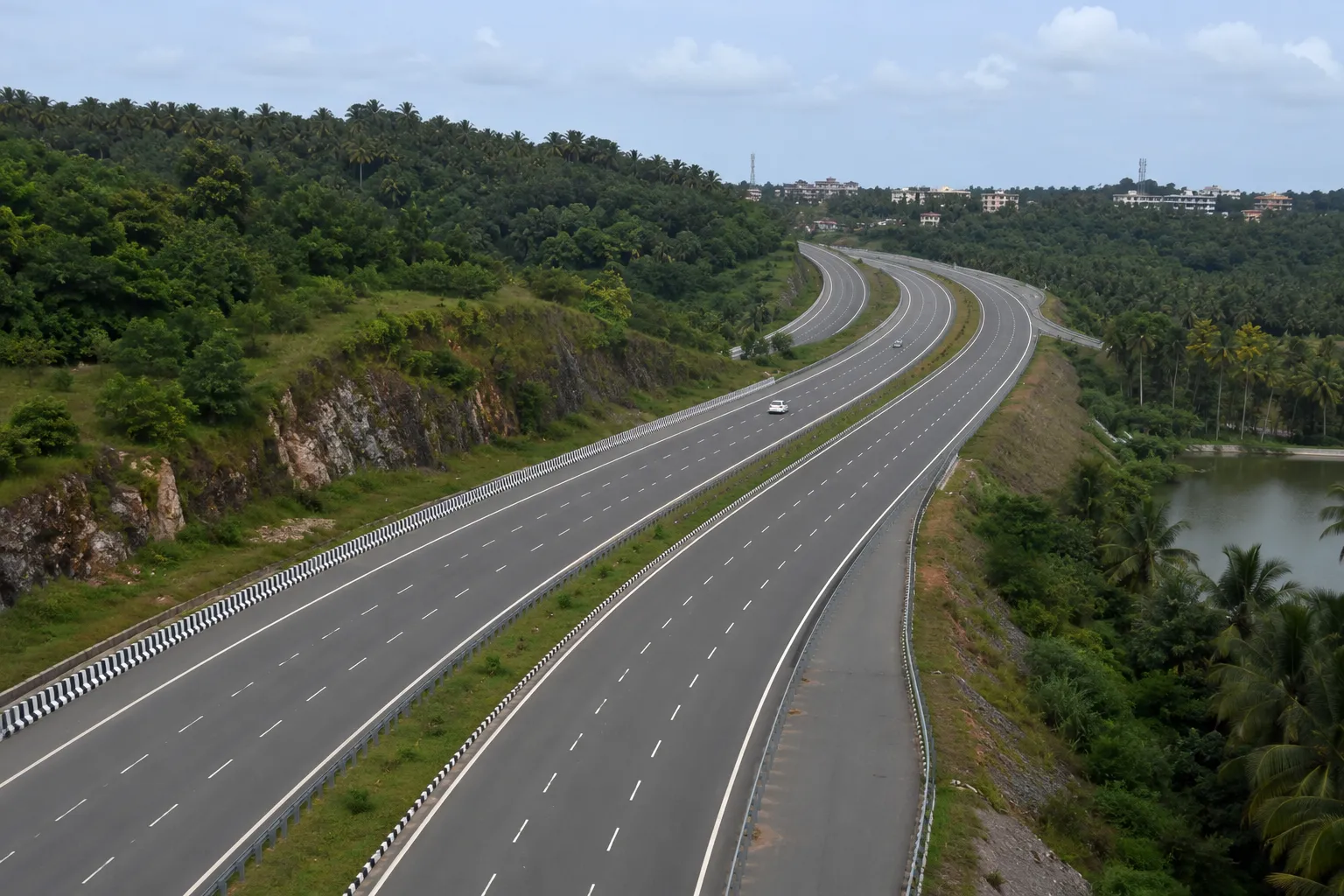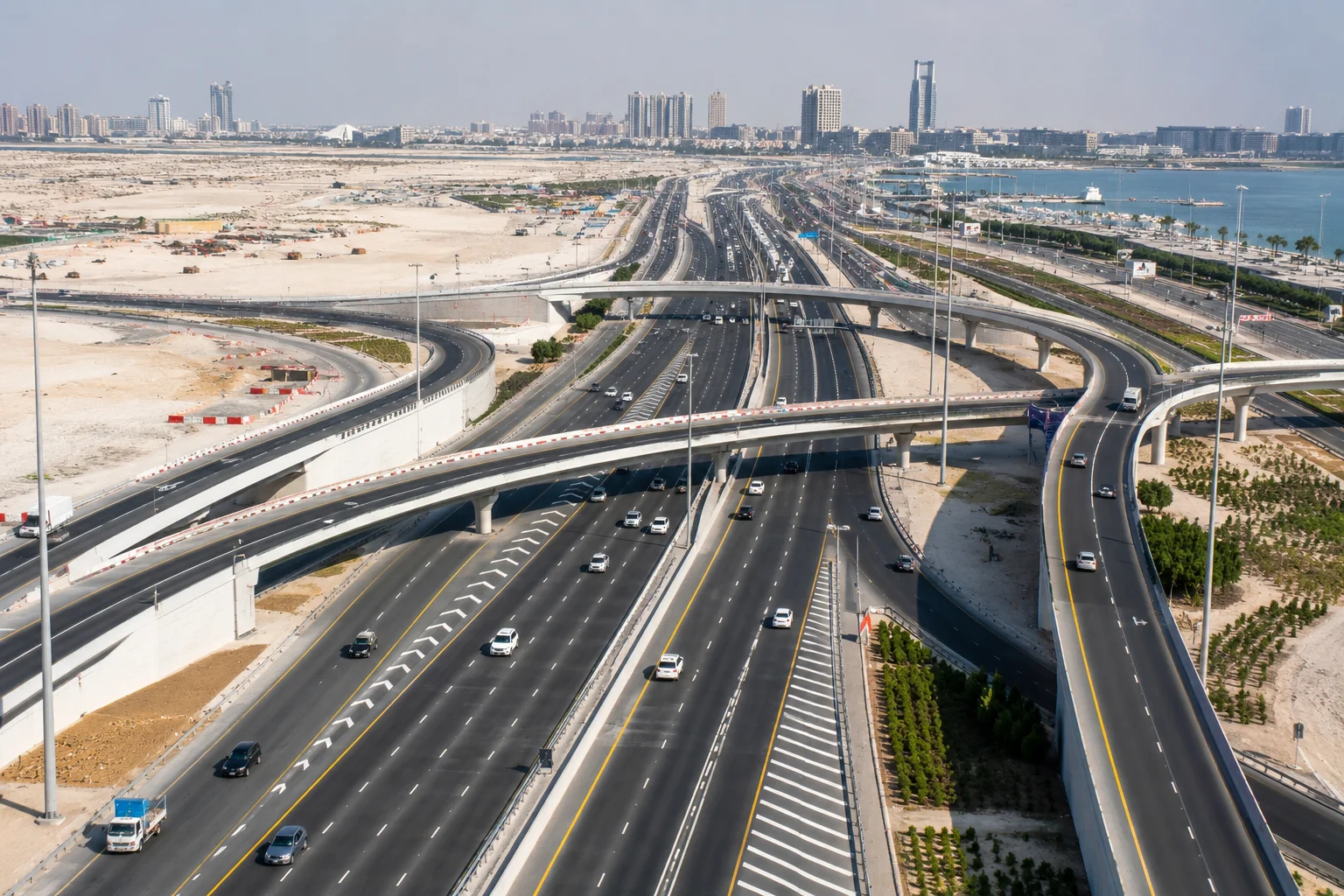
MOLDOVA —Financing totaling €357.8 million has been committed to modernize critical transportation networks within Moldova, targeting regional trade routes and cross-border connectivity. The funding package combines a €344 million sovereign loan issued by the European Bank for Reconstruction and Development (EBRD) with an additional €13.8 million investment grant and technical assistance package provided by the European Union (EU) under its broader regional growth framework. The capital will directly support the reconstruction, rehabilitation, and structural enhancement of approximately 134 kilometers of arterial road sections, specifically focusing on the R7 and M3 transportation corridors.
This capital allocation addresses severe infrastructure deficits on key transit routes that connect domestic commercial hubs with European Union (EU) markets, Romania, and neighboring Ukraine. The R7 corridor serves as a vital northern conduit linking local populations to the Romanian border and facilitating bilateral logistics traffic, while the M3 route acts as the primary economic artery connecting the capital city to a major international port facility situated along the Danube river. Both targeted pathways form integral segments of the broader Trans-European Transport Network and function as essential Solidarity Lanes designed to maintain continuous overland freight operations and alleviate regional supply chain disruptions.
The infrastructure modernization initiative carries substantial implications for the broader transportation, logistics, and regional trade sectors by mitigating persistent bottlenecks and accommodating anticipated surges in post-conflict reconstruction freight traffic. Upgraded road surfaces and structural enhancements are projected to curtail vehicle operating expenditures, shorten transit durations, and elevate overall freight and passenger safety metrics across previously deteriorated road segments. Furthermore, institutional stakeholders intend to leverage this capital injection to advance structural governance reforms within the domestic transport sector, including the implementation of a long-term national road master plan, the reinforcement of administrative corporate governance, and the establishment of a centralized digital hub for electric vehicle infrastructure licensing.
For institutional investors and commercial enterprises operating throughout Eastern Europe, these developments reinforce strategic supply chain stability and lower logistical friction for international trade. The European Bank for Reconstruction and Development (EBRD) functions as a prominent international financial institution dedicated to fostering market economies and supporting private and public sector development across multiple countries. The European Union (EU) operates as an economic and political union comprising numerous European member states, executing strategic assistance programs and economic integration initiatives.