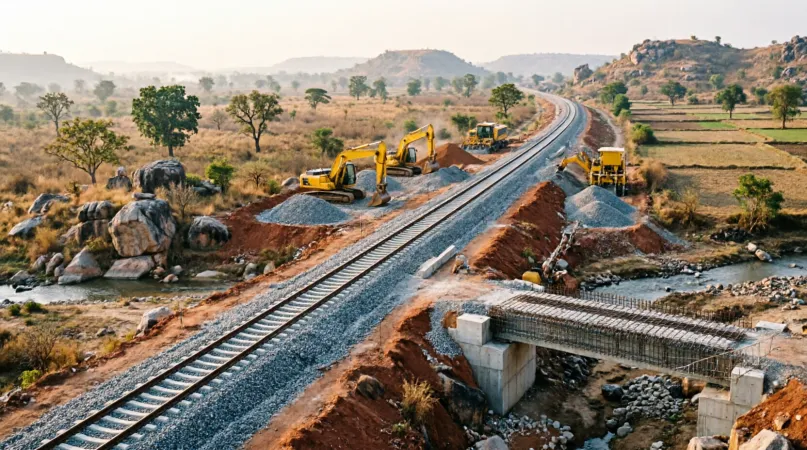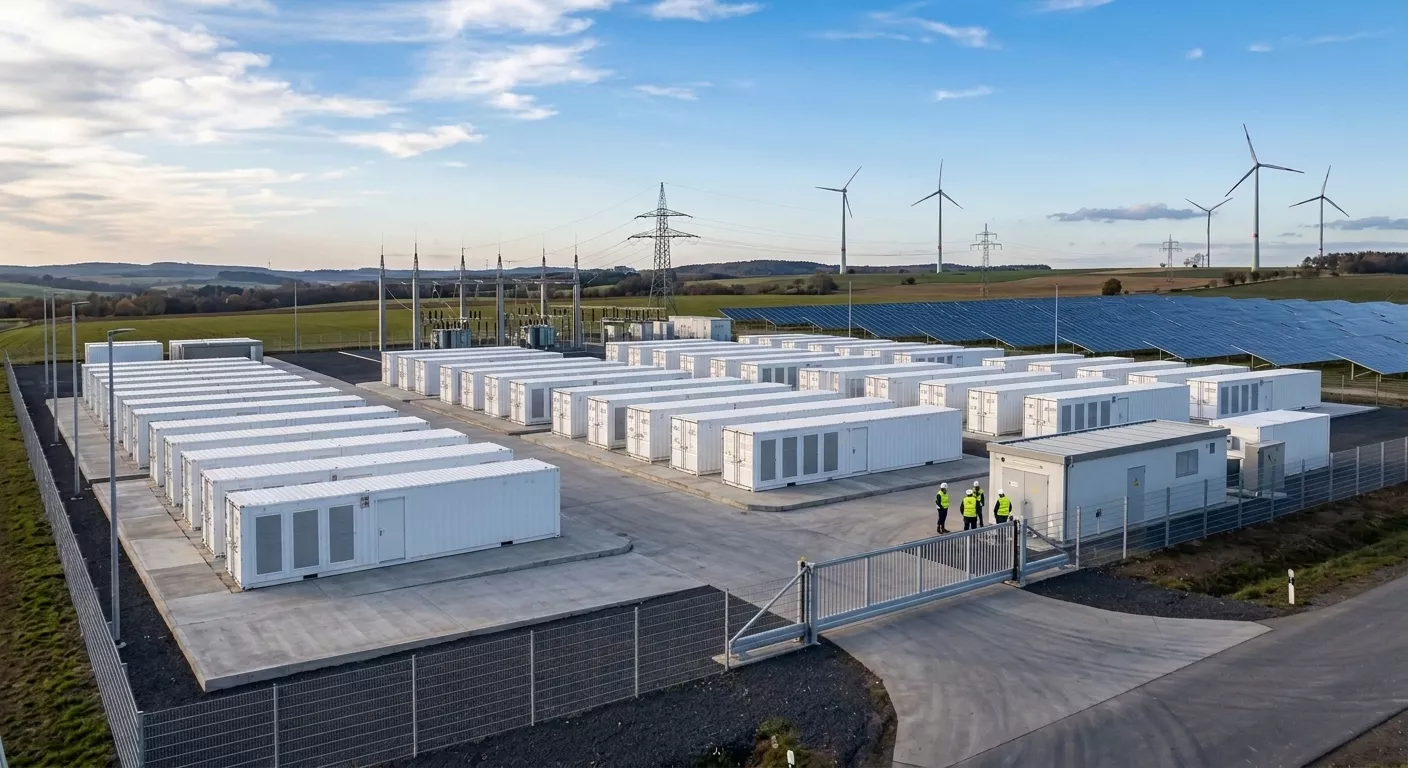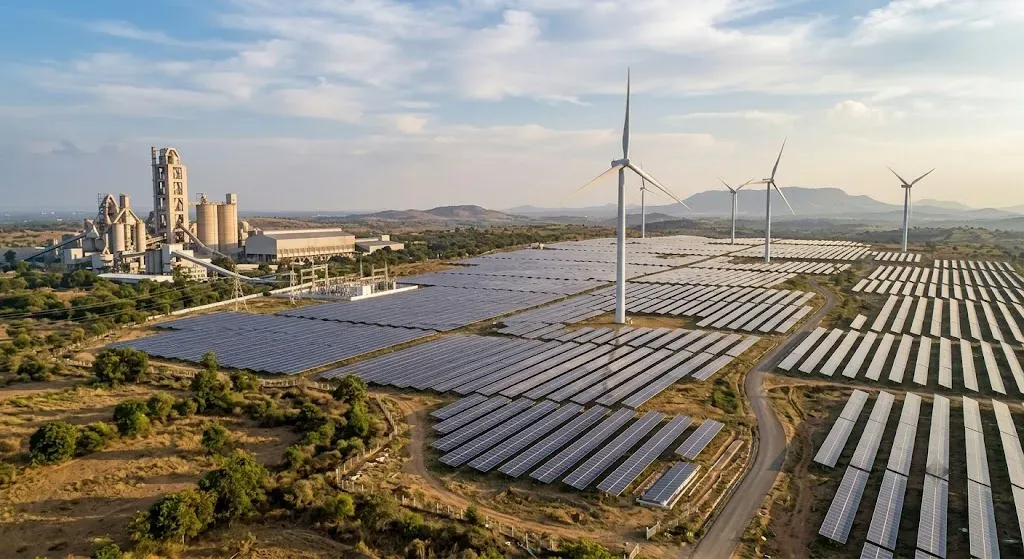
TURKEY —The European Bank for Reconstruction and Development (EBRD) has finalized a €100 million financial arrangement with İş Finansal Kiralama (İş Leasing) to advance sustainability initiatives and reconstruction efforts across Türkiye under the Türkiye Green Economy Financing Facility III (GEFF III). The capital structure combines €94 million directly from the lending institution with €6 million in concessional resources from the Clean Technology Fund. Structured under the third phase of a broader national green economy framework, the capital is designated for corporate modernization, energy efficiency upgrades, renewable energy adoption, and climate resilience projects. A mandatory clause mandates that a minimum of thirty percent of the deployed capital targets commercial entities operating within zones impacted by the severe 2023 seismic events.
İş Finansal Kiralama operates as a prominent Turkish financial institution specializing in equipment leasing and structured asset finance. Established in 1988, the organization functions as a subsidiary of Türkiye İş Bankası, holding a major market share in the country's commercial leasing sector, particularly in industrial machinery and construction asset financing.
This capital injection carries significant weight for corporate stakeholders navigating compliance mandates and capital expenditures related to environmental standards. By prioritizing climate-aligned regeneration in earthquake-impacted zones, the initiative converts disaster recovery into a structured framework for sustainable industrial rebuilding. Furthermore, the program incorporates specific provisions to expand financial inclusion for women entrepreneurs and small enterprises, addressing long-standing capital access disparities in emerging green sectors.
The broader commercial ecosystem, particularly manufacturing, construction, and renewable energy sectors in Türkiye, stands to benefit directly through diversified equipment financing and technical advisory services. For institutional investors and financial intermediaries, the program establishes a benchmark for integrating climate resilience into regional recovery mandates. Market participants specializing in energy efficiency technology and commercial leasing are positioned to experience heightened demand as businesses utilize these credit lines to transition toward sustainable operational models.