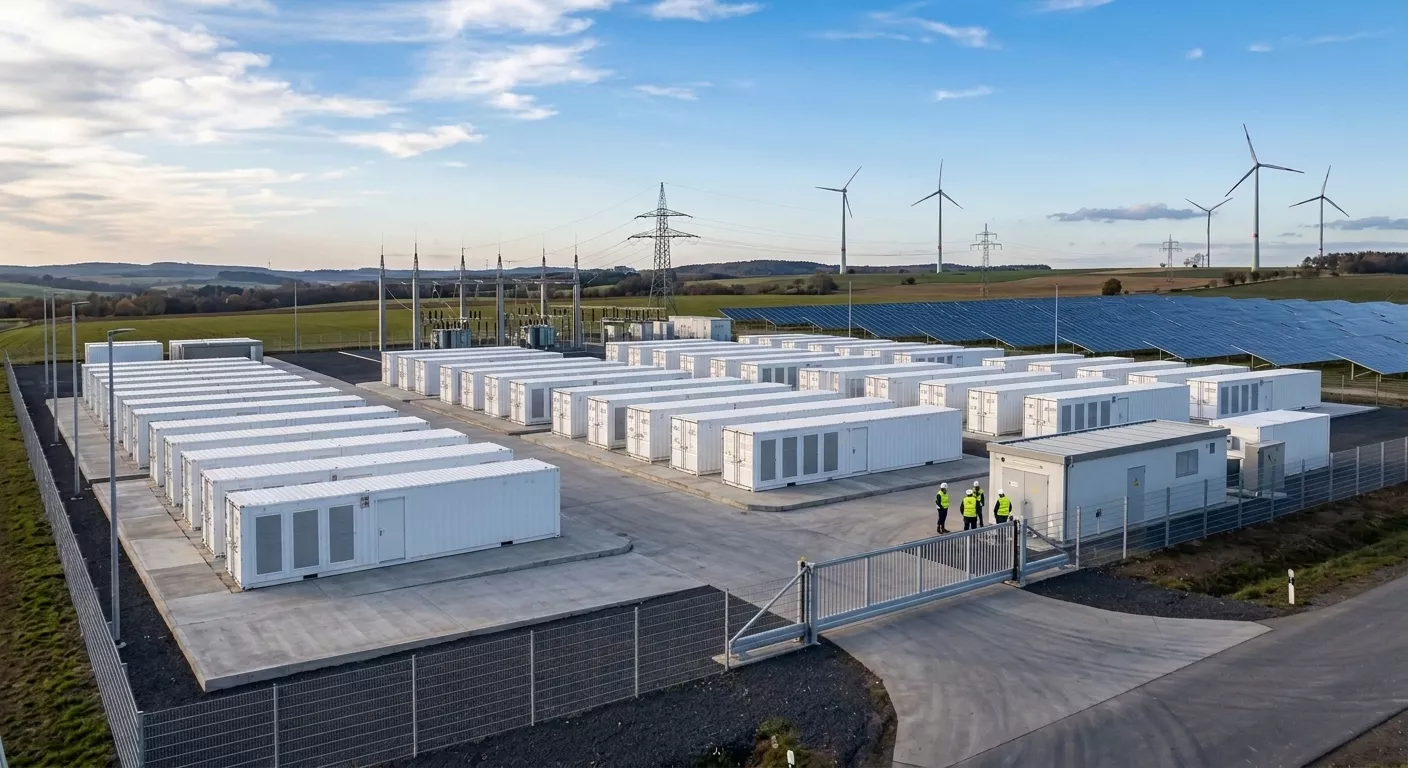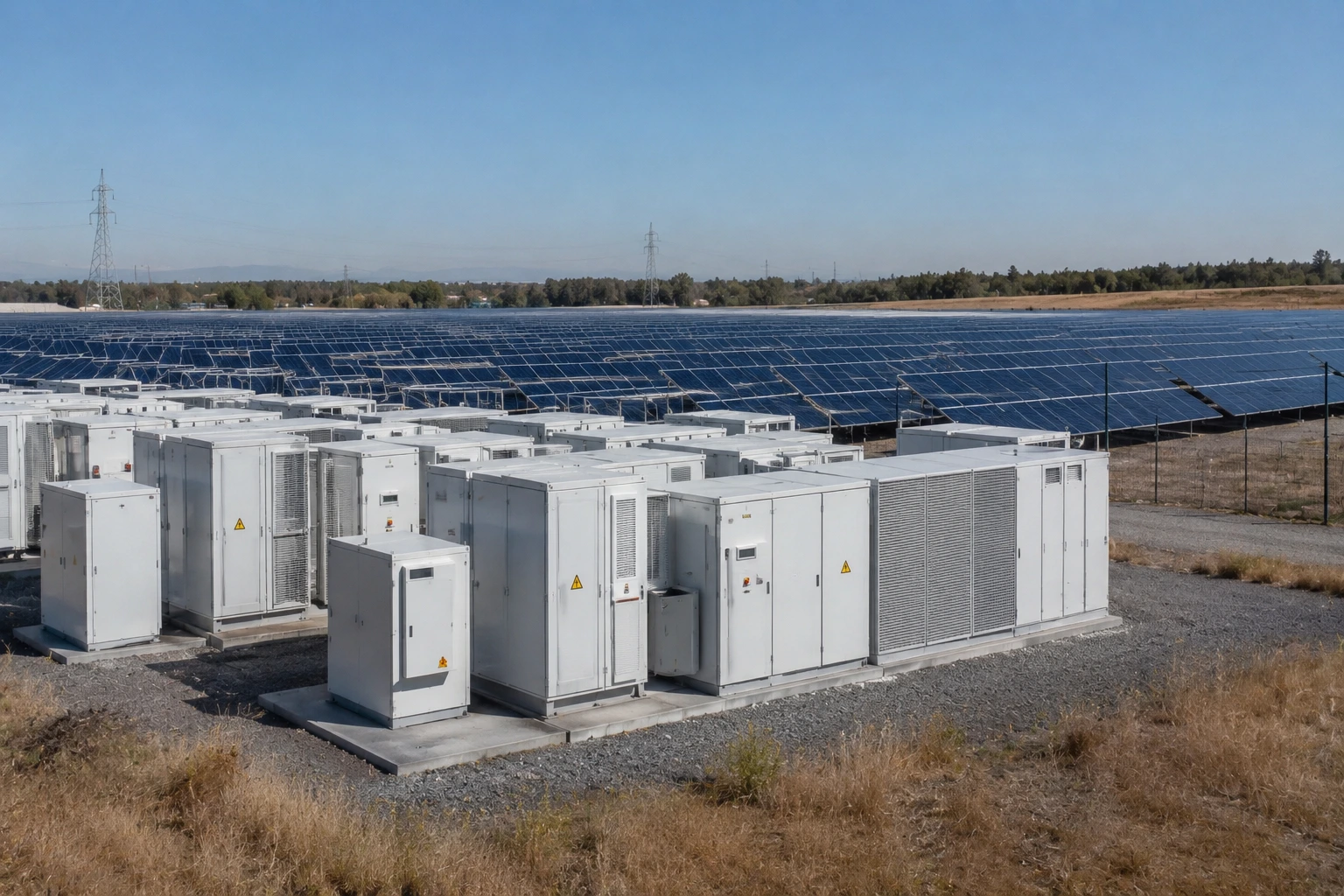
EGYPT; NORWAY —European Bank for Reconstruction and Development (EBRD) has committed an equity investment valued at up to US$ 221 million into Egypt Renewables Holdings B.V., an investment vehicle established by Scatec ASA. This financial injection facilitates the development, acquisition, and construction of large-scale green energy infrastructure, targeting major additions to power grids including 2.7 gigawatts of solar capacity, 900 megawatts of wind power, and 4.2 gigawatt-hours of battery energy storage facilities primarily located in Egypt.
European Bank for Reconstruction and Development (EBRD) is an international financial institution founded in 1991 that supports project financing and private sector development across three continents. Scatec ASA is a Norway-based integrated renewable power producer established in 2007, specializing in solar, wind, and battery storage solutions across multiple international markets.
This capital commitment addresses critical regional development vulnerabilities by reducing reliance on volatile imported fossil fuels and reinforcing national energy independence. By integrating utility-scale intermittent generation with extensive battery storage capabilities, the initiative mitigates grid instability concerns associated with high penetrations of variable renewable electricity resources.
The venture directly impacts regional utilities, independent power producers, commercial lenders, and domestic industrial consumers relying on stable electricity pricing. Furthermore, the initiative aligns with the strategic energy pillars outlined during multilateral climate summits, bolstering private sector participation in national transition frameworks across the southern and eastern Mediterranean territory.
For institutional investors and energy developers, the transaction establishes a replicable blueprint for deploying private capital alongside multilateral development banks into emerging market infrastructure. Corporations operating in energy-intensive sectors across the region stand to benefit from diversified generation portfolios, mitigating long-term regulatory carbon risks and fossil fuel price exposure.