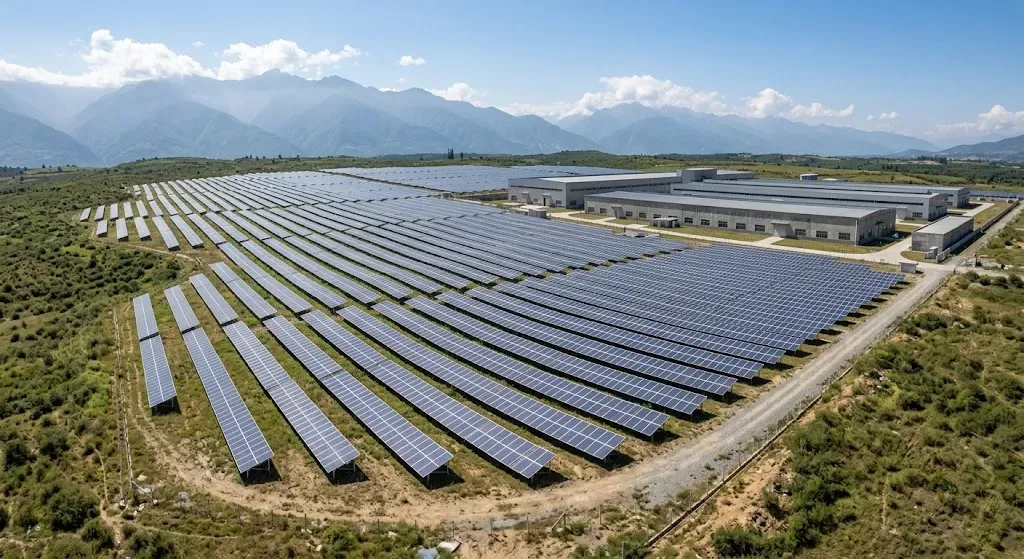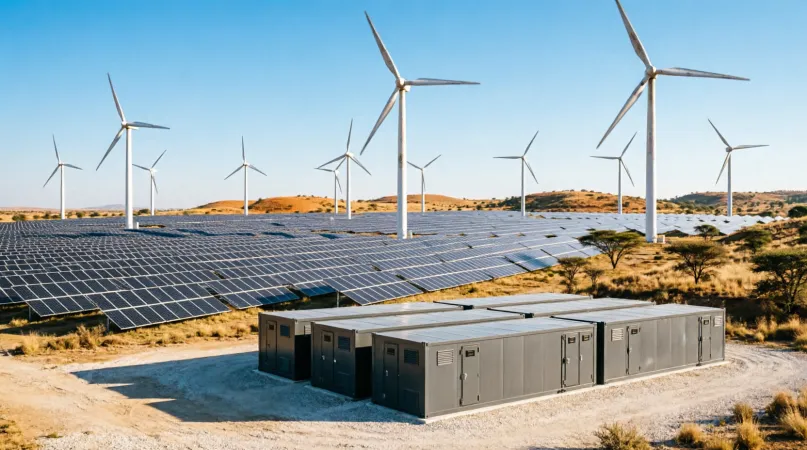
TURKEY —The European Bank for Reconstruction and Development (EBRD) has finalized a USD 150 million sustainability-linked credit facility for Enerjisa Uretim, a major independent electricity producer operating in Türkiye. The long-term financing arrangement is designed to restructure the company's balance sheet by replacing short-term liabilities previously incurred to fund clean energy projects with extended maturity debt. Under the terms of the agreement, the facility incorporates specific performance targets requiring the borrower to expand its operational renewable asset base and lower total carbon dioxide emissions across its generation footprint.
Enerjisa Uretim operates as a prominent private power generation platform in Türkiye, maintaining an installed capacity of roughly 4.7 GW across 37 facilities. The company’s energy mix includes hydroelectric, wind, and solar assets operating alongside thermal generation facilities. The European Bank for Reconstruction and Development (EBRD) serves as a multilateral financial institution supporting transition market economies, having invested over 25 billion euros across various sectors in Türkiye since 2009.
This financial injection directly impacts the Eurasian power generation sector, multilateral funding markets, and Turkish industrial infrastructure. Strengthening the capital structure of major utility providers addresses capital deployment challenges in high-interest environments, providing sustainable liquidity models for ongoing decarbonization programs. Furthermore, domestic power grid resilience improves as increased private capital flow reinforces national electricity generation capacity.
For global investors and institutional lenders, the transaction underscores the growing utility of sustainability-linked debt structures in emerging markets. Converting short-term obligations to long-term liabilities improves operational flexibility and risk management for private power producers while de-risking further capital deployment in clean energy infrastructure. The initiative supports regional decarbonization goals and aligns private enterprise capacity growth with national energy transition targets.