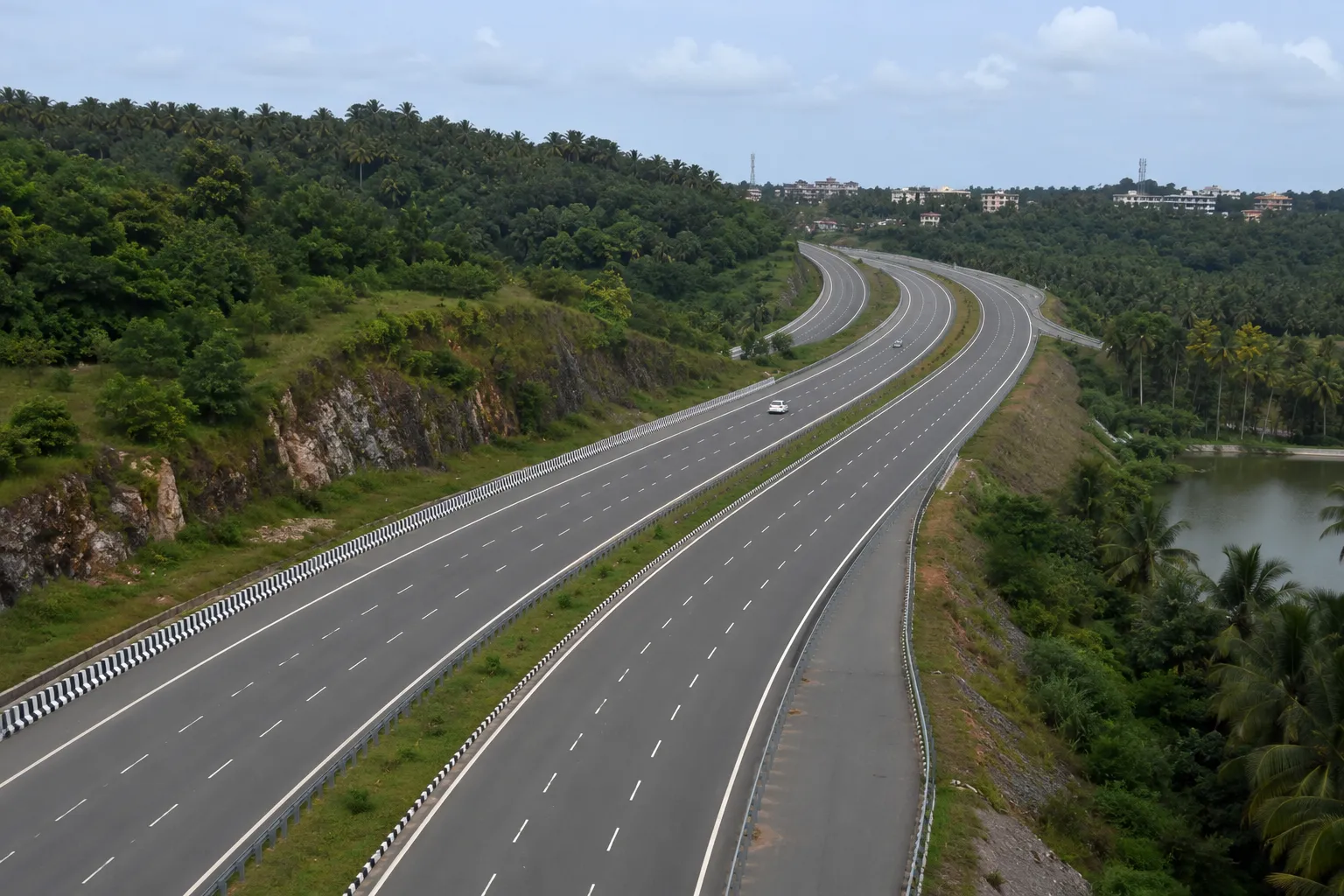
TAJIKISTAN —Tajikistan has commenced construction activities on a 10-kilometre stretch of the Labidjar–Kalaikhum highway corridor, forming part of a broader 125.5-kilometre transport infrastructure initiative. Head of state Emomali Rahmon formally reviewed the regional project during an official visit to the Rasht Valley, directing executing authorities to expedite operations while navigating complex topographical challenges. The Eurasian Development Bank (EDB) is providing targeted capital allocation to finance this critical segment, emphasizing structural resilience and regional transit integration.
This development carries significant macroeconomic weight for Central Asian logistics, as the rugged topography of Tajikistan has historically constrained inter-regional trade and supply chain efficiency. By upgrading arterial road networks, the initiative directly addresses structural bottlenecks that impede commercial movement between remote economic zones and major commercial hubs. Improved roadway standards reduce transit delays and vehicle operating expenses, facilitating steadier flows of goods, labor, and services across administrative borders.
Engineering, procurement, and construction contractors operating in Central Asia stand to benefit from sustained public infrastructure investments focused on mountainous terrain. Regional logistics operators, freight carriers, and commercial enterprises stand to gain enhanced supply chain predictability and expanded market access as arterial transit routes become more reliable. Furthermore, the Eurasian Development Bank (EDB) is an international financial institution established to promote economic integration and foster sustainable market development among member states through long-term project financing.
For institutional investors and project finance stakeholders, this undertaking underscores the growing reliance on multilateral development banks to de-risk complex civil engineering ventures in emerging markets. Accelerated execution schedules and heightened oversight requirements necessitate robust project management frameworks for contractors involved in challenging terrain builds. Moving forward, successful completion of this corridor will establish a technical benchmark for future highland transport initiatives across landlocked economies seeking deeper economic integration.